How Long Does Hair Laser Treatment Last?
If you are asking how long does hair laser treatment last, the practical answer is that results can remain noticeable for months or even years, but laser hair removal is best understood as long-term hair reduction rather than a promise that every hair will be gone forever. Laser hair removal targets pigment in the hair and converts light energy into heat that damages the follicle, and that damage slows future growth. How long the effect lasts depends on your hair growth pattern, skin tone, treatment area and how consistently you complete your treatment plan.
There is no single timeline that applies to everyone. Some patients enjoy long periods with very little regrowth, while others, especially those treating hormonally influenced areas, may notice new hair sooner and benefit from occasional maintenance. How long your results last depends on your biology as much as on the treatment itself, which is why setting realistic expectations before you begin matters so much.
At LA ViE MD, the goal is to build a laser hair removal treatment plan around your hair growth pattern, skin tone, treatment area and maintenance needs, so you know what to expect before you commit. This guide explains why a series of treatments is needed, what determines how long results last, the difference between permanent hair removal and long-term hair reduction, and how maintenance fits into the long-term picture.

How Long Does Hair Laser Treatment Last
Laser hair removal can last for months or years. According to the American Academy of Dermatology, many patients remain hair-free for several months or even years after completing treatment. When hair does return, it is often less noticeable, finer and lighter than before, and maintenance sessions may be needed to keep the area consistently smooth.
Because not every hair is in the same growth phase at the same time, a series of treatments is usually needed to reach this point. A single session reduces some growth, but the longer-lasting result comes from completing the full planned series and then maintaining it when needed.
The most useful takeaway is not to judge laser hair removal by whether a single session “worked.” The real outcome comes from completing the planned series and then maintaining the result when needed.
Why You Need a Series of Laser Hair Removal Treatments
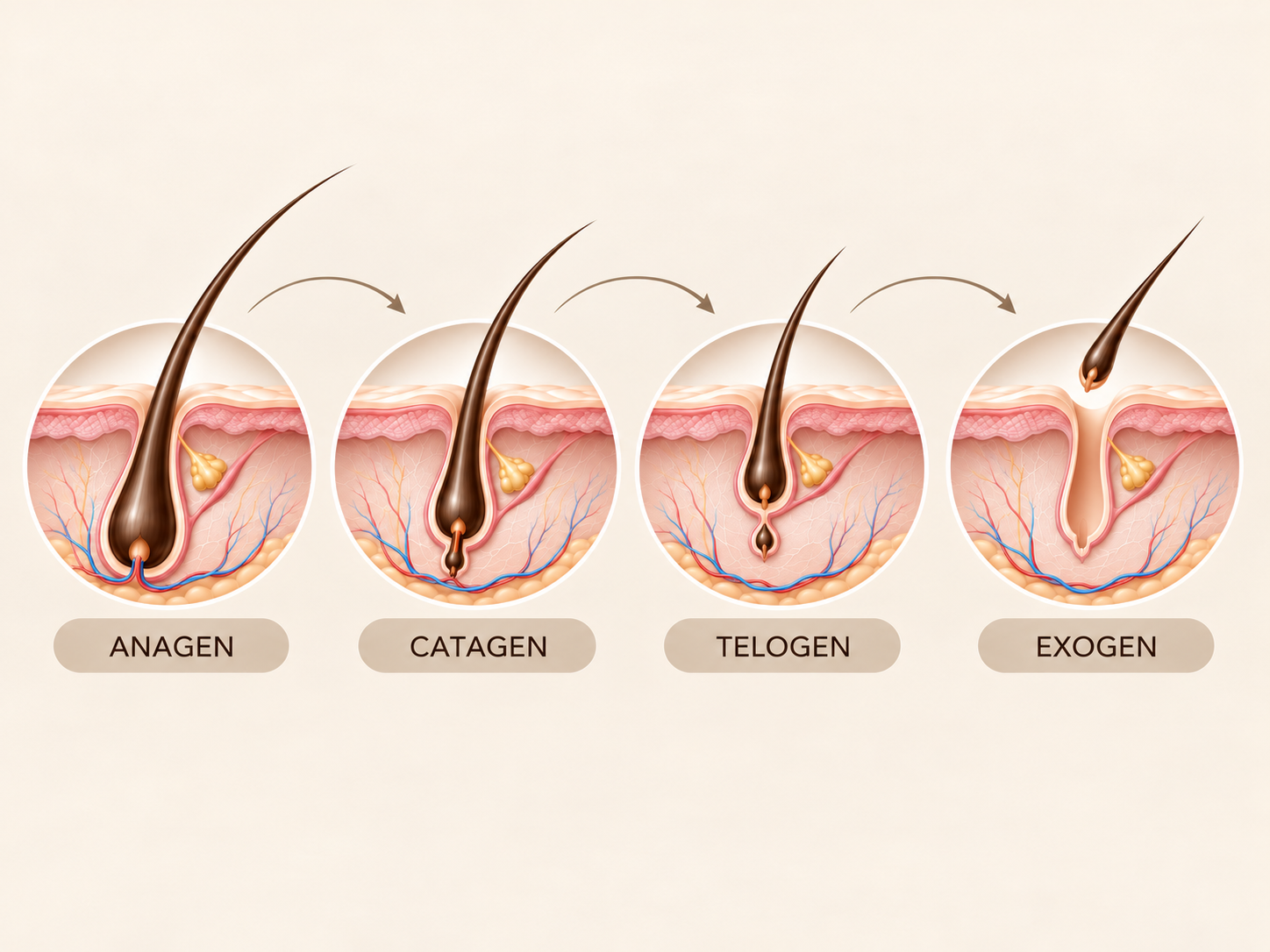
Hair grows in cycles. Laser energy is most effective when a hair is in an active growth phase, which is why appointments are spaced out rather than performed all at once. Multiple sessions allow your provider to target new groups of actively growing hairs as they enter the right phase, gradually treating more of the follicles in the area.
Results tend to build in stages. During the first sessions, you may notice shedding and an early reduction in density, but untreated follicles can still produce new hair. By the middle of the series, hair may begin returning more slowly, with patchier and finer growth as more follicles are treated. After the series is complete, many people experience a much lower level of regrowth, followed by occasional maintenance when needed.
The exact number of sessions depends on the treatment area, hair characteristics, skin tone, device and individual response. Your provider will recommend a series based on these factors and adjust it as your hair responds.
What Determines How Long Your Laser Hair Removal Results Last?
The treatment area plays a major role. Hormonal areas, especially parts of the face, may regrow differently from areas such as the legs or underarms. Hair color and thickness matter too, because darker, coarser hair generally gives the laser more pigment to target, while lighter or finer hair can be harder to treat.
Skin tone and device settings also influence results. The technology and settings need to be chosen appropriately for your skin and hair characteristics, which is why laser hair removal should be matched to you by an experienced provider. Hormonal changes are another important factor; pregnancy, menopause, PCOS, medications and other hormonal shifts can influence new hair growth, even after a successful series.
Finally, consistency makes a difference. Completing the recommended series matters more than expecting a long-term result from one or two visits. Get a personalized treatment plan to understand how these factors apply to you.

Permanent Hair Removal vs. Long-Term Hair Reduction: Setting the Right Expectation
“Permanent” can be misleading if it is interpreted as zero future hair forever. Mayo Clinic notes that laser hair removal can greatly reduce growth, but some hair can return over time and follow-up treatments may be needed. Cleveland Clinic similarly describes the procedure as long-lasting rather than completely permanent for everyone. It is more accurate to think of laser hair removal as long-term hair reduction: some follicles may stop producing visible hair for long periods, while others can regrow or new growth may appear over time.
It helps to know what each stage usually means. After one session, you can expect early shedding and partial reduction, which is not a final result. After a full series, many patients see substantially less visible hair, often lasting months or years. When hair does regrow, it may be finer, lighter or less dense than before, and occasional follow-up sessions may help preserve a smoother result.
Hair can return for several reasons. Not every follicle is active during each session, and hormonal changes and previously inactive follicles can also contribute to future hair growth. Understanding this helps you see regrowth as a normal part of the process rather than a sign that treatment did not work.
Will You Need Laser Hair Removal Maintenance?
Possibly. Maintenance is not a sign that the original treatment failed. Hair follicles can respond differently over time, and hormonal changes can activate new growth. The goal of a maintenance visit is to address the smaller amount of hair that returns after your initial series.
For some patients, maintenance may be infrequent. Others, especially those treating hormonally influenced areas, may need follow-up more regularly. There is no universal schedule; your provider should base the timing on visible regrowth rather than an arbitrary calendar.
A better question than “Is it permanent?” is: “What level of reduction is realistic for my treatment area, and what maintenance pattern should I expect?” Discuss your maintenance plan with a provider to get an answer specific to you.

How to Get More Consistent Laser Hair Removal Results
Longevity is influenced by treatment planning, preparation and aftercare. Follow your provider’s instructions around sun exposure, shaving, waxing and skincare. Laser hair removal should also be matched to your skin tone and hair characteristics by an experienced provider, since the right technology and settings help each session work as intended.
Temporary redness and swelling can occur after treatment. Less common risks can include pigment changes, blistering, scarring or other skin reactions. A consultation is the right place to review your skin type, medical history, medications and expectations before proceeding, and you can book one before deciding on a full series.
LA ViE MD can help you understand what laser hair removal may realistically achieve for your treatment area, and what maintenance could look like afterward. Book your laser hair removal consultation to start planning long-term results.
Frequently Asked Questions (FAQs)
How long do laser hair removal results last?
Many people experience reduced hair growth for months or years after completing a treatment series. Regrowth varies, and maintenance treatments may be needed.
Is laser hair removal permanent?
It is more accurate to think of it as long-term hair reduction. Some follicles may stop producing visible hair for long periods, while others can regrow or new growth may appear over time.
How many laser hair removal sessions do I need?
Most people need a series of treatments because hair grows in cycles. The exact number depends on the treatment area, hair characteristics, skin tone, device and individual response.
Why does hair grow back after laser treatment?
Not every follicle is active during each session. Hormonal changes and previously inactive follicles can also contribute to future hair growth.
Will regrown hair look the same?
When hair returns after a successful series, it is often finer, lighter or less dense than the original growth, although results vary.
How often will I need maintenance?
There is no universal schedule. Some patients need occasional touch-ups, while others may go long periods before visible regrowth makes a maintenance session worthwhile.
Can I book a consultation before deciding on a full series?
Yes. A consultation is the best way to evaluate your treatment area, hair pattern, skin tone and likely maintenance needs before committing to a plan.
Medical Disclaimer: This content is for educational purposes only and is not a substitute for personalized medical advice. Individual results vary. Laser hair removal usually requires multiple sessions and may require maintenance over time. Schedule a consultation with LA ViE MD to determine which options may be appropriate for your goals.
Medical References: American Academy of Dermatology, “Laser hair removal: FAQs”; Mayo Clinic, “Laser hair removal”; Cleveland Clinic, “Laser Hair Removal: How it Works & What to Expect.”