Ozempic Blindness in 2025: Essential Facts for Safe Decisions
Ozempic has quickly become one of the most talked-about medications in California. From Los Gatos to Danville and Livermore, many people have turned to it for help with weight loss and diabetes management. It’s been called a breakthrough, delivering results that often felt out of reach with other options. But with the spotlight comes new concerns. Recently, attention has shifted toward a rare but serious question: could Ozempic be linked to blindness?
Why People Are Talking About “Ozempic Blindness”
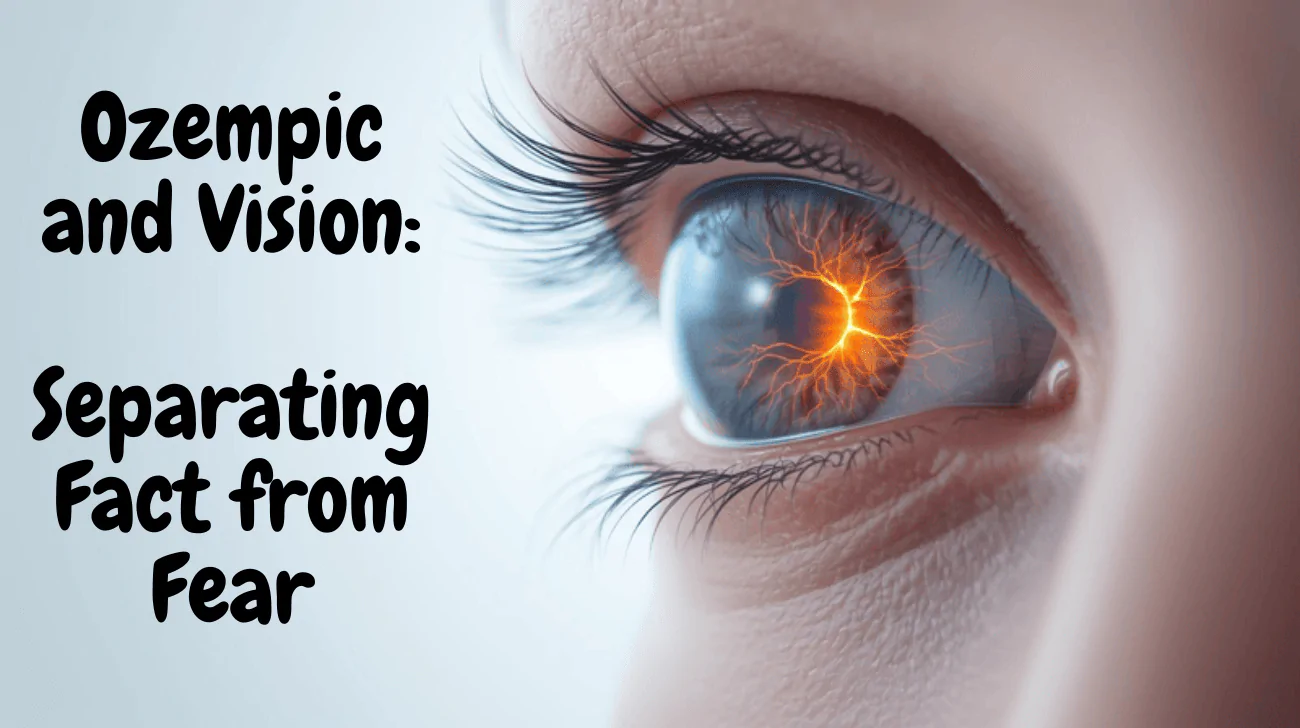
Over the past few months, researchers and news outlets have raised questions about a possible connection between Ozempic and vision problems. The main condition being discussed is non-arteritic anterior ischemic optic neuropathy (NAION), a rare issue where blood flow to the optic nerve is disrupted, sometimes leading to sudden and even permanent vision loss.
A study in JAMA Ophthalmology suggested that people taking semaglutide, especially those with type 2 diabetes, may face a significantly higher risk of developing NAION compared to those on other medications. While cases are rare, the fact that they appear more often in type 2 diabetic patients makes this link worth paying attention to.
What Exactly is Ozempic?


- Ozempic is the brand name for semaglutide, a type of medication called a GLP-1 receptor agonist. It was first created to help people with type 2 diabetes manage blood sugar, but it quickly became popular for its strong weight loss benefits.
- It works by mimicking a natural hormone that regulates insulin and appetite. In simple terms: it helps your body handle sugar better and keeps you feeling full longer. That makes it easier to cut calories and lose weight in a sustainable way.
- For many patients, Ozempic has been more than a prescription, it’s been a game-changer for health and lifestyle. But as with any medication, the positives need to be balanced against potential risks.
The Ozempic Blindness Concern
Here’s what we know so far:
- The risk is rare, but real. A small number of patients taking Ozempic have developed a condition called NAION, which can affect the optic nerve and cause sudden vision loss.
- Type 2 diabetes increases risk. People with diabetes already have a higher baseline risk for optic nerve problems, and semaglutide appears to increase it further.
- Cases are limited. While reports exist, they are still very small compared to the millions of people using Ozempic worldwide.
The takeaway: most people will not experience this side effect, and for non-diabetic patients, the overall risk is considered extremely low. Regulatory bodies such as the European Medicines Agency (EMA) classify NAION as a very rare side effect, affecting up to 1 in 10,000 people taking semaglutide. Still, patients with type 2 diabetes should be especially attentive to vision changes and stay proactive about eye health.
Other Reported Side Effects
Blindness has drawn the most attention in recent headlines, but it isn’t the only side effect reported with Ozempic. The most common issues are gastrointestinal, including nausea, vomiting, or delayed stomach emptying (gastroparesis).
The good news is that research shows these side effects are usually mild, temporary, and most noticeable during the first few weeks of treatment. A study published in The New England Journal of Medicine found that gastrointestinal symptoms were the most common adverse events, but they were typically transient and improved once patients adjusted to the maintenance dose.
For most people, these early side effects can be managed with dose adjustments, dietary changes, or supportive care. Only a small percentage of patients need to stop treatment because of them
Can Vitamins Help Protect Eye Health?
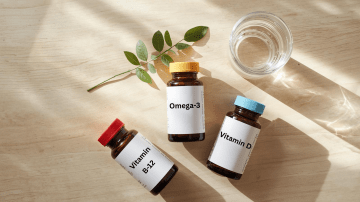
As a medical spa focused on wellness, we believe prevention goes hand in hand with treatment. While no vitamin can completely remove the risk of NAION, certain nutrients support optic nerve and overall eye health. These are safe to recommend and sell to patients as part of a wellness program:
- Vitamin B12: supports nerve function, including the optic nerve.
- Vitamin D: helps regulate inflammation, important for both diabetes and eye health.
- Vitamin E: a strong antioxidant that helps protect eye tissues.
- Omega-3 Fatty Acids: found in fish oil, may reduce inflammation and support circulation to the eyes.
- Lutein + Zeaxanthin: plant-based antioxidants that protect the retina from oxidative stress.
These supplements aren’t a substitute for medical care, but they can be a valuable part of a holistic prevention strategy that reduces the chances of complications like “Ozempic blindness.”
Why This Matters in California
California is often a step ahead when it comes to wellness trends. In Los Gatos, Danville, and Livermore, patients often walk into our clinic already knowing about Ozempic from news, TikTok, or friends. That awareness is good, but it also means misinformation spreads quickly.
At LA ViE MD, we want to be the calm voice in the middle. Yes, the risk of blindness exists, especially for those with type 2 diabetes, but it is rare. And yes, most patients continue using Ozempic without serious issues. The right decision depends on your unique health history.
What Patients Should Do

- Pay attention to your vision. Blurriness, sudden dark spots, or any major changes should be checked immediately.
- Don’t stop Ozempic on your own. Always talk with your provider first. For many, the benefits outweigh the risks.
- Focus on prevention. Good nutrition, exercise, and supplements that support eye and nerve health can make a real difference.
- Ask questions. Whether it’s about blindness, weight loss, or side effects, no concern is too small to bring up during your consultation.
At LA ViE MD, we combine medical treatments with lifestyle and wellness support so patients feel guided at every step.
FAQs
Can Ozempic cause blindness?
Research shows a rare but possible connection to NAION, especially in people with type 2 diabetes.
Is vision loss permanent?
In NAION cases, yes, which is why early detection is so important.
Are there other risks?
Yes, including nausea and gastroparesis. Most side effects are mild and manageable.
Should I stop Ozempic if I’m worried?
No. Talk to your provider before making changes. Together you can decide what’s safest.
Conclusion

Ozempic remains one of the most effective tools for weight loss and diabetes care, but it isn’t risk-free. Recent research shows that type 2 diabetic patients may face a higher chance of vision issues like NAION, though the overall risk is still rare.
The best approach is not fear, but balance: stay informed, support your health with proper nutrition and supplements, and work closely with a provider who puts your safety first.
At LA ViE MD, we’re here to guide you through every step, from answering questions to creating a plan that’s safe, effective, and tailored to your goals. If you’d like to know more or want to explore your options, schedule a consultation with our team today.