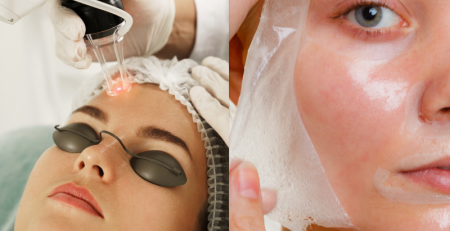
Is XERF the Next Big Thing in Non-Invasive Skin Tightening?
Non-invasive skin tightening has become a key area of focus in aesthetic medicine, driven by growing patient interest in treatments that support skin firmness without surgery, injections, or prolonged downtime. As this category has evolved, radiofrequency-based technologies have remained central due to their ability to deliver controlled heat to deeper skin layers across a wide range of skin types.
XERF, a newer radiofrequency-based platform, has recently entered this space. While it is still relatively new to many patients, its emergence reflects a broader clinical trend: refining how energy is delivered to support gradual, natural skin changes rather than introducing entirely new biological mechanisms.
This article presents a clinically informed perspective on XERF, grounded in established principles of radiofrequency skin tightening and supported by accessible medical and academic resources.
Understanding Non-Invasive Skin Tightening
Skin laxity develops over time as collagen and elastin fibers naturally degrade with aging, sun exposure, and environmental stress. These structural changes reduce the skin’s ability to remain firm and resilient.
Non-invasive skin tightening treatments aim to influence this process by stimulating the skin’s own physiological response rather than altering anatomy. As explained in medically reviewed resources such as the Cleveland Clinic’s overview of radiofrequency skin tightening, RF treatments use heat to encourage collagen and elastin activity within the skin, supporting gradual changes in firmness and texture over time.
The Clinical Rationale Behind Radio frequency Based Treatments
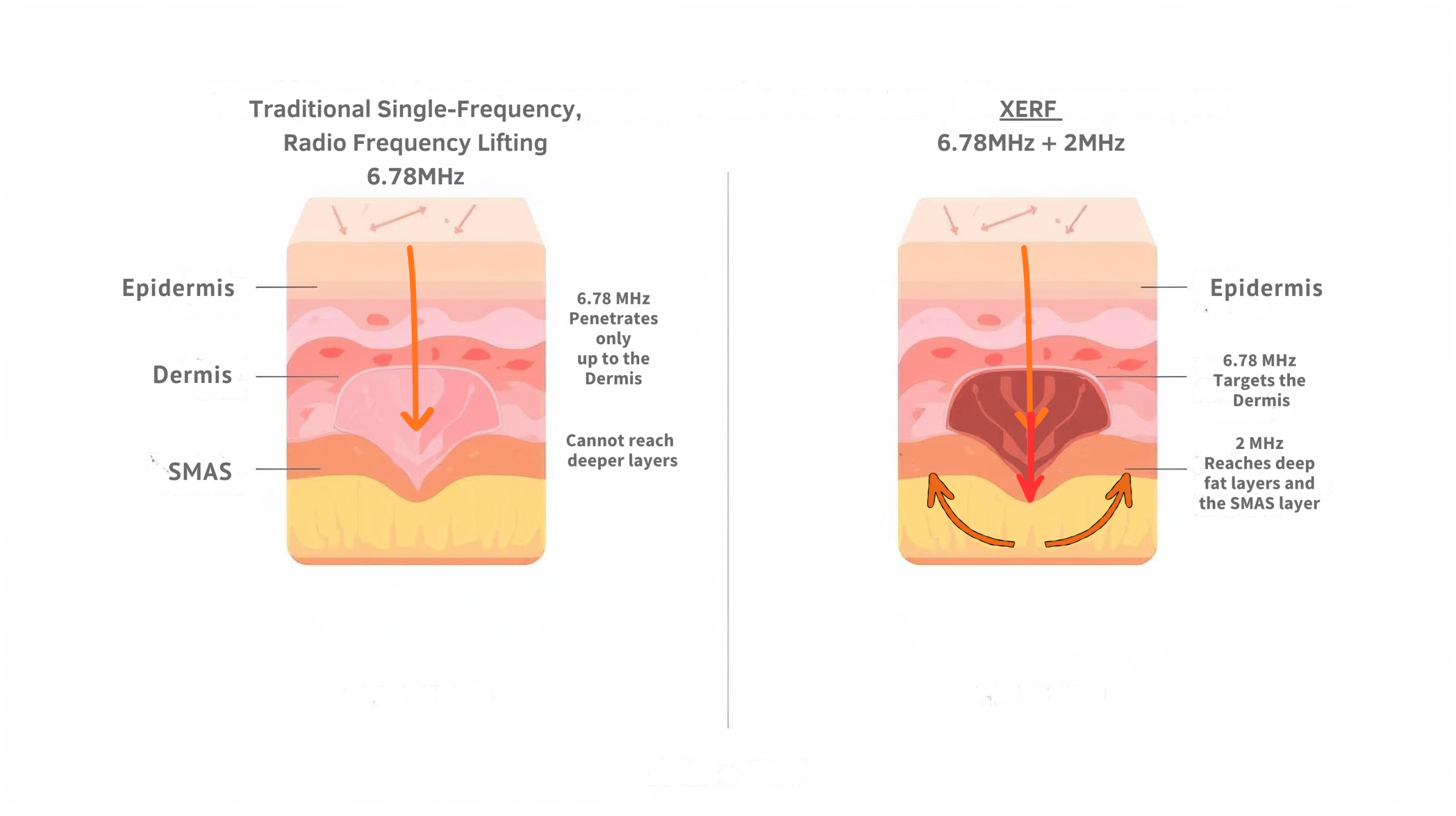
Radiofrequency energy generates heat within tissue through electrical resistance. Unlike laser-based systems, RF does not rely on pigment absorption, which is why it is commonly discussed as suitable for a wide range of skin tones.
Clinically, controlled dermal heating is associated with:
- Temporary collagen fiber contraction
- Activation of biological processes involved in tissue remodeling
- Progressive skin quality changes rather than instant tightening
These mechanisms are explained in open-access academic overviews, including a detailed brief note on radiofrequency use in aesthetic skin treatments, which outlines how RF-induced heat interacts with dermal collagen and fibroblasts.
What Is XERF?
XERF should be understood as an advanced application of radiofrequency technology, not a departure from established RF science. Newer platforms in aesthetic medicine typically focus on improving how energy is delivered, monitored, and distributed within tissue.
From a clinical perspective, XERF aligns with broader innovation goals in aesthetics, such as:
- More consistent thermal delivery
- Improved procedural control
- Enhanced patient comfort during treatment
Importantly, this does not change the underlying biological response of the skin. Instead, it reflects incremental technological refinement within a well-established treatment category.
Where XERF Fits Within Non-Invasive Aesthetic Treatments
Radiofrequency skin tightening is one of several non-invasive approaches used to address mild to moderate skin laxity. Clinical discussions in aesthetic literature emphasize that these treatments are often most effective when viewed as part of a long-term skin health and maintenance strategy, rather than a one-time intervention.
A recent open-access review in Aesthetic Surgery Journal Open Forum summarizes how various RF modalities have been evaluated for skin firmness, texture, and patient satisfaction, while also highlighting variability in individual response and the importance of clinical judgment.
Within this spectrum, XERF represents a newer-generation option that follows the same clinical principles applied to other RF systems.
Dermal Remodeling and RF-Induced Tissue Response
At the tissue level, radiofrequency energy produces heat that may lead to immediate structural changes in collagen fibers, followed by longer-term remodeling processes. These effects are gradual and depend on multiple factors, including skin condition, treatment parameters, and overall skin health.
A Springer Nature clinical article on monopolar radiofrequency for facial skin laxity describes how controlled RF heating can influence dermal thickness and collagen structure, providing further context for how RF technologies are used in aesthetic practice.
Such findings support the conceptual basis of RF skin tightening without implying uniform or guaranteed outcomes.

Treatment Experience and Timelines
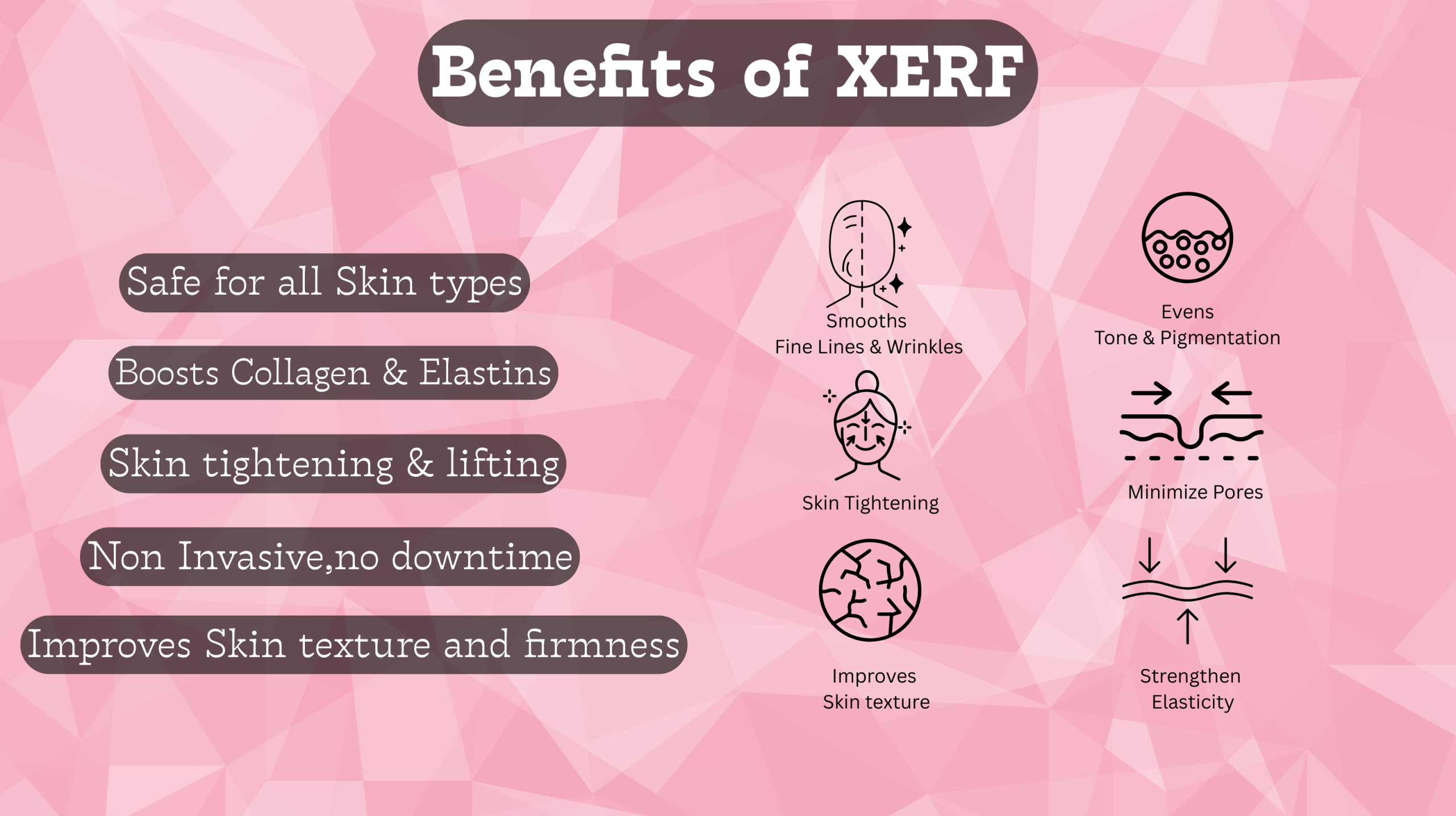
Non-invasive radiofrequency treatments are generally associated with minimal disruption to daily activities. During treatment, patients typically experience a warming sensation as energy is delivered to the skin.
From a clinical standpoint:
- Some individuals may notice early changes related to tissue contraction
- More subtle improvements may develop over weeks
- Multiple sessions are often recommended to support cumulative effects
Medical resources emphasize that outcomes vary significantly and depend on individual factors, reinforcing the importance of realistic expectation setting.

Safety and Clinical Oversight
Radiofrequency skin tightening procedures are designed with built-in safety measures to regulate temperature and energy delivery. When performed by trained professionals, these treatments are generally associated with transient effects such as temporary redness or warmth.
Clinical guidance consistently stresses:
- Proper patient selection
- Individualized treatment planning
- Adherence to professional protocols
These principles apply broadly to all RF-based technologies, including newer platforms such as XERF.
Is XERF the Future of Non-Invasive Skin Tightening?
From a clinical perspective, XERF reflects the ongoing evolution of non-invasive aesthetic technologies rather than a definitive endpoint. Advances in this field tend to focus on improving precision, comfort, and consistency rather than changing biological fundamentals.
As with all emerging aesthetic technologies, the long-term role of XERF will depend on continued clinical use, practitioner experience, and patient-centered outcomes assessed over time.
A Clinically Balanced Perspective
Interest in XERF highlights a growing preference for treatments that prioritize natural-looking, gradual improvement. While the science behind radiofrequency skin tightening is well established, responsible discussion of newer platforms requires caution, transparency, and evidence-informed context.
Patients considering non-invasive skin tightening should seek professional consultation to understand suitability, limitations, and expected treatment courses based on individual skin needs.
Regulatory & Evidence Transparency
 Regulatory & Evidence Transparency
This article is intended as a clinically informed opinion piece for educational purposes only. The information presented reflects general dermatologic principles and widely accepted scientific understanding of radiofrequency-based skin tightening.
Embedded links direct readers to open-access medical and academic resources that explain mechanisms, safety considerations, and clinical context. These references are provided for informational support only and do not constitute medical advice, treatment recommendations, or guarantees of outcome.
Individual results vary. Readers should consult a qualified healthcare professional for personalized evaluation and guidance.
Frequently Asked Questions (FAQs)
What is XERF in the context of non-invasive skin tightening?
XERF refers to an advanced radiofrequency-based technology used in non-invasive aesthetic procedures. Radiofrequency energy has been studied extensively in dermatology for its ability to deliver controlled thermal stimulation to the dermis, which may influence collagen structure and remodeling. XERF represents a newer method of RF energy modulation designed to optimize tissue interaction without surgical intervention.
How does XERF differ from conventional radiofrequency skin tightening technologies?
Conventional radiofrequency systems typically rely on fixed or limited energy delivery patterns. XERF systems are designed to utilize advanced energy modulation techniques that may allow for more controlled and uniform thermal distribution across targeted tissues. While these technical differences are described in device documentation and early clinical discussions, comparative peer-reviewed studies are still emerging.
Is XERF considered a non-invasive treatment?
Yes. XERF is categorized as a non-invasive technology, as it does not involve surgical incisions or disruption of the skin barrier. Non-invasive radiofrequency procedures are commonly performed in outpatient clinical settings and have been evaluated in medical literature for their safety and tolerability when appropriate protocols are followed.
What clinical applications is XERF commonly evaluated for?
Based on the established uses of radiofrequency energy in aesthetic medicine, XERF is commonly evaluated for indications related to skin laxity, firmness, and overall skin quality. Published research on RF-based modalities suggests potential effects on dermal collagen dynamics, although individual outcomes may vary depending on patient-specific and procedural factors.
Is XERF suitable for all skin types?
Clinical literature on radiofrequency technologies indicates that RF energy can generally be used across a broad range of skin types. However, patient suitability for XERF should be determined through clinical assessment by a qualified healthcare professional, taking into account skin condition, medical history, and treatment objectives.
Frequently Asked Questions
What is XERF and how does it work for skin tightening?
XERF is a non-invasive radiofrequency (RF) skin tightening treatment that uses controlled thermal energy to stimulate collagen and elastin production in the dermis. Unlike ablative treatments, XERF requires no needles, no numbing, and no downtime — patients typically resume normal activities immediately.
How many XERF sessions do I need to see results?
Most patients see initial tightening after 1-2 XERF sessions. For optimal collagen remodeling, 4-6 sessions spaced 2-3 weeks apart are recommended. Full results typically appear 3-6 months after the final treatment as new collagen matures.
What is the difference between XERF and Ultherapy?
XERF uses radiofrequency energy delivered through the skin surface with no downtime, while Ultherapy uses focused ultrasound that reaches deeper tissue but is often more painful. XERF suits patients who want gradual, comfortable treatment; Ultherapy targets deeper laxity in one longer session.
Is XERF painful?
XERF is generally well-tolerated and described as a warm, tingling sensation. No numbing cream is needed. Some patients report mild discomfort on bonier areas like the jawline or forehead, which resolves immediately after treatment.
How long do XERF results last?
XERF results typically last 12-18 months after a full treatment series. Annual maintenance sessions can extend results indefinitely. Individual results depend on age, skin quality, sun exposure, and lifestyle factors.
Who is a good candidate for XERF?
XERF is ideal for adults with mild-to-moderate skin laxity seeking non-surgical tightening on the face, neck, or body. It works well for patients aged 30-65 with realistic expectations. XERF is not recommended for pregnant patients, those with active skin infections, or metal implants near the treatment area.
Medically reviewed by Dr. Neetu Nebhwani, MD. Consult a licensed provider before treatment.