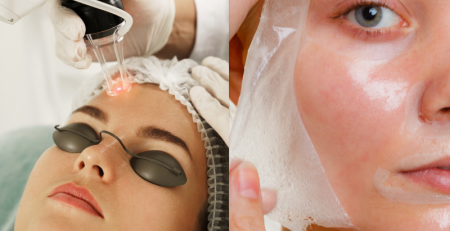
Skin Rejuvenation in 2026 : Future of Regenerative Aesthetics
For decades, aesthetic medicine was built around correction. We softened lines, replaced lost volume, and tried to “reverse” visible aging with techniques that often focused on what the mirror showed at the moment. As we move into 2026, that era is giving way to something more mature and far more sustainable.
The new standard is skin rejuvenation rooted in biology: improving how skin functions, how it heals, and how it maintains strength over time. Patients aren’t just looking for a quick refresh. They’re asking smarter questions, seeking treatments that support resilience, texture, elasticity, and long-term skin quality. This is where regenerative aesthetics takes center stage not as a trend, but as a shift in priorities.
Instead of chasing youth, the goal is intelligent aging: keeping skin healthy, supported, and responsive for the long run.
Skin Health Is No Longer Optional It’s the Foundation
The biggest mindset change is simple: skin health is no longer “extra.” It’s the foundation that determines whether any treatment looks natural, lasts longer, and ages well.
Patients are prioritizing:
- Smoother texture & elasticity
- More even tone and luminosity
- Improved barrier function and hydration
- Stronger dermal integrity (skin that behaves like “healthy skin,” not fragile skin)
This is why modern skin rejuvenation strategies emphasize consistency over intensity. Rather than dramatic shape-shifting, more people want subtle improvement that builds month over month without losing facial identity.
That shift is also driving demand for treatments that improve skin quality beneath the surface, not just what appears on top.

Collagen Stimulators Lead the “Slow Gain” Movement
Biostimulatory injectables are no longer framed as “just volumizers.” In 2026, they’re increasingly positioned as tools for collagen induction and gradual strengthening.
Two names patients ask about more often:
- Sculptra
- Radiesse
Both are commonly discussed as collagen stimulators, but what matters most is how they’re used: strategically, with restraint, and as part of a plan that improves structure and skin quality over time. The win isn’t a sudden change it’s skin that looks more supported, firmer, and more stable across months.
This is the kind of skin rejuvenation that photographs better over years, not just weeks.
Skin Boosters Become Maintenance, Not an Occasional “Treat”
If collagen stimulators are about long-term scaffolding, skin boosters are about the day-to-day feel and function of skin hydration, glow, barrier support, and subtle refinement.
In 2026, skin boosters are increasingly viewed as maintenance therapies, not indulgences. Patients aren’t asking, “When should I do one?” They’re asking, “How do I maintain results all year?”
That’s because well-hydrated, well-supported skin:
- Tolerates devices better
- Recovers more predictably
- Responds more smoothly to injectables
- Looks healthier in natural light (where real-life confidence lives)
As part of a modern skin rejuvenation strategy, boosters make sense for patients who care about “skin quality” as the end goal not just a single before-and-after moment.
Regenerative Injectables Move Into the Mainstream
Perhaps the most significant evolution is the growing normalization of regenerative aesthetics especially injectable and topical regenerative approaches that prioritize repair, communication, and tissue health.
Two categories leading this movement:
- Exosomes
- Polynucleotides (often discussed as salmon sperm DNA)
These are increasingly recognized for what makes them different: they’re not primarily about instant gratification. Their appeal is in supporting the skin environment modulating inflammation, improving signaling, and encouraging a healthier regeneration process.
In 2026, more patients are shifting from “Will this make me look better next week?” to “How does this support my skin over the next five years?” That question is the heart of skin rejuvenation in this era: measurable improvement that aligns with how biology actually works.
When paired thoughtfully with collagen stimulation and device work, regenerative injectables can act like a “support system” for recovery and result quality especially for patients who want gradual, natural outcomes.

Energy-Based Devices: Remodeling, Not Just Tightening
Non-invasive tightening remains high demand, but the narrative is changing. Patients are less interested in the promise of a lift and more interested in what’s happening inside the dermis.
That’s why RF microneedling and advanced RF platforms are increasingly positioned as collagen remodeling tools rather than “tightening machines.” The goal is healthier structure and improved skin behavior: better texture, refined pores, smoother laxity patterns, and more consistent tone.
The most effective approach is rarely a single device session in isolation. In 2026, great outcomes come from layering:
- Device driven remodeling (like RF microneedling)
- Biologic support (like skin boosters)
- Collagen stimulation (Sculptra/Radiesse when appropriate)
- Regenerative options (exosomes/polynucleotides in the right protocols)
This layered model supports skin rejuvenation without overwhelming the skin. It’s not about doing more it’s about doing what complements the biologic response.
Neuromodulators Evolve: Precision Over Paralysis
Neuromodulators aren’t going anywhere but their use is getting smarter. The “frozen face” era has been fading, and 2026 continues that direction.
The emphasis is shifting toward:
- Refinement, not immobilization
- Balancing muscle activity, not eliminating expression
- Improving skin appearance through targeted approaches
This is where micro-dosing neuromodulators (Microtox) becomes a frequent topic. Skin-focused protocols are often discussed for pore appearance, texture, and oil balance helping patients look fresher without looking “done.”
Expression isn’t the enemy. Imbalance and chronic inflammation are. In a modern skin rejuvenation plan, neuromodulators become a precise tool used thoughtfully, customized carefully, and integrated with overall skin health goals.
Longevity Aesthetics: Treating Skin From the Inside Out
One of the most transformative shifts in 2026 is the rise of longevity aesthetics an approach that recognizes skin aging as a reflection of internal health, cellular function, and systemic inflammation.
Instead of treating aging as something to fight, longevity aesthetics treats aging as something to support intelligently:
- Reduce inflammatory load where possible
- Improve recovery capacity
- Support collagen integrity over time
- Maintain barrier health and hydration
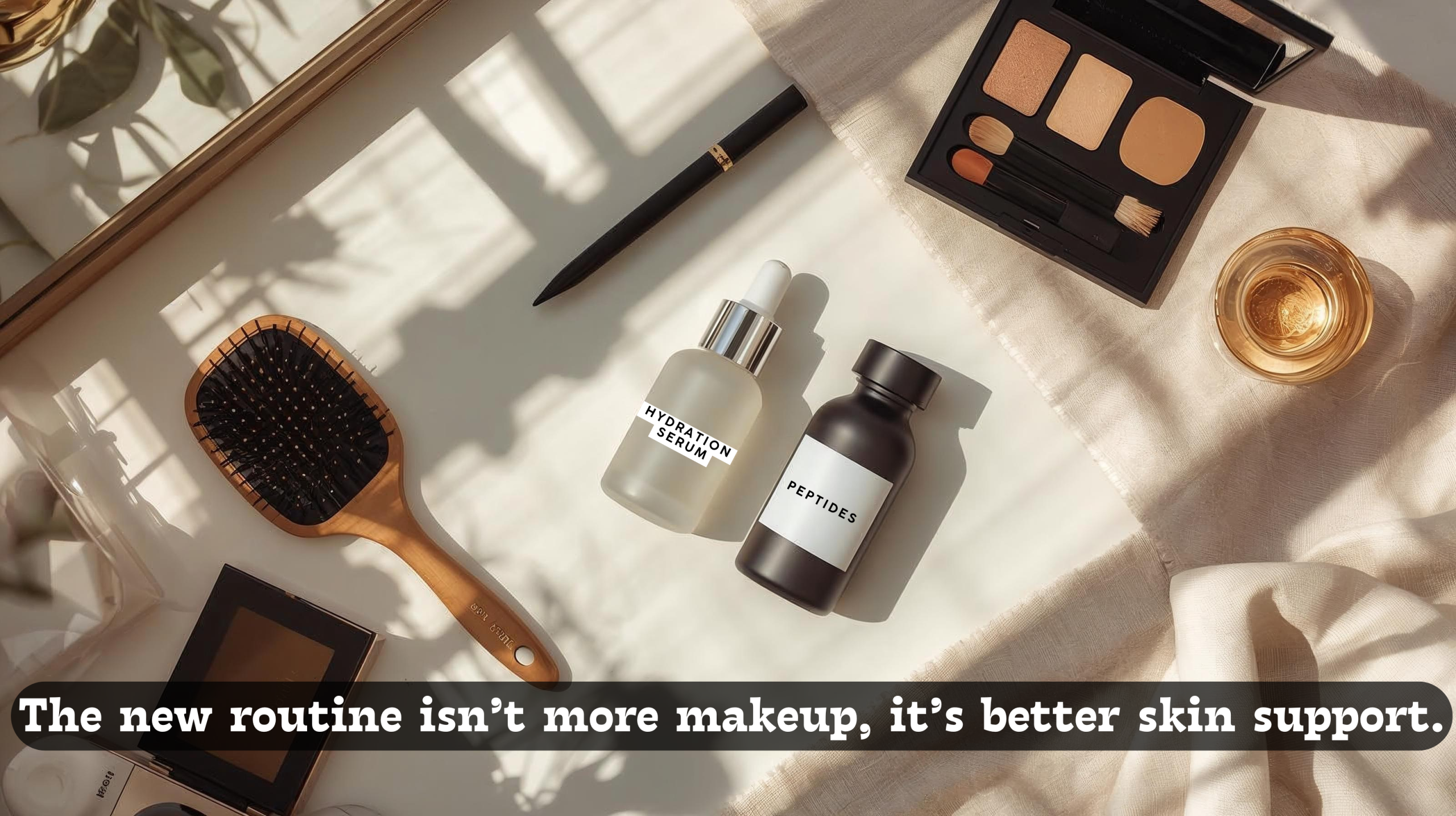
Peptides such as GHK-Cu have been gaining attention as part of regenerative and longevity-oriented protocols. The broader theme isn’t any single ingredient it’s the mindset: “pro-regeneration” rather than “anti-aging.”
True skin rejuvenation increasingly means combining modalities:
- Injectables and regenerative options
- Devices for remodeling
- Topicals that support barrier and repair
- Supplementation and lifestyle optimization when relevant
This integrated approach is where regenerative aesthetics becomes a true philosophy, not just a category of treatments.
The Return of Fillers With Intelligence and Restraint
Dermal fillers may see a resurgence in 2026, but in a fundamentally different form. The era of overfilled, distorted faces is not the aspiration anymore for patients or for top providers.
- Fillers are increasingly used:
- sparingly and strategically
- for structural support
- for proportion and harmony
- as a complement to collagen stimulation (not a replacement for it)
Volume is no longer the goal. Movement, balance, and longevity are.
In many modern plans, fillers play a supporting role inside a broader skin rejuvenation strategy especially when paired with collagen stimulators and regenerative protocols that keep results natural over time.
The Real Differentiator in 2026: The Provider
As treatments become more nuanced, the provider matters more than ever.
Patients are increasingly discerning. They’re looking for clinicians who can:
- Assess skin quality, not just facial features
- Build a timeline, not a transaction
- Combine injectables, devices, and regenerative options responsibly
- Prioritize long-term outcomes over short-term extremes
The future belongs to practitioners who think in years, not weeks—who understand that aesthetic medicine isn’t about doing more, but doing what’s biologically intelligent.

Final Thought: A New Standard, Not a New Trend
2026 doesn’t mark the arrival of a passing “aesthetic trend.” It marks the establishment of a new standard.
We’re moving from correction to biologic optimization. From surface change to deeper regeneration. From quick fixes to intelligent aging strategies.
The question is no longer “What can we add to the face?”
It’s: How can we support the skin to function optimally for decades to come?
That is the future of skin rejuvenation and it’s already here.