7 Essential Facts About Undereye Filler Treatments: Results, Recovery, and Safety
Undereye filler is a dermal injection technique using FDA-approved hyaluronic acid fillers to restore volume beneath the lower eyelids, addressing hollowing, shadowing, and the appearance of fatigue in the tear trough region. Unlike topical creams or concealers, filler treatments for under eye hollows work by physically filling the depressed area where bone resorption, fat pad descent, or genetic anatomy creates a sunken appearance. The tear trough extends from the inner corner of the eye diagonally toward the cheek, and treating this delicate zone requires precision, anatomical knowledge, and products specifically formulated for thin periorbital skin.
Patients across the Bay Area—from Danville to Dublin, Los Gatos to Livermore—search for undereye filler solutions when they notice deepening shadows that make them look perpetually tired, even after adequate rest. This concern often intensifies in your thirties and forties as facial fat compartments deflate and ligamentous structures weaken. The goal of tear trough filler is not to erase natural anatomy but to restore a smoother transition between the lower eyelid and midface, reducing the contrast that causes shadowing. When performed by an experienced injector using appropriate products and conservative volumes, results appear natural and refreshed rather than overfilled.
Understanding what undereye filler can realistically achieve, how long results typically last, and what recovery looks like helps set accurate expectations before your consultation. This article covers seven essential facts about the procedure, including which filler brands are best suited for the eye area, how long results last, potential risks that require careful injector selection, and what your first few days post-treatment will involve. Whether you’re researching this treatment for the first time or comparing providers, the following sections provide the clinical detail and regional cost context you need to make an informed decision.

Fact 1: Undereye Filler Pricing Depends on Your Anatomy, Goals, and Treatment Plan

The cost of undereye filler depends on several factors, including the product selected, the complexity of the treatment area, the amount of filler required, and the experience of the treating provider. Because every patient’s anatomy and aesthetic goals are different, treatment plans are customized rather than standardized. During a consultation, your provider will evaluate the degree of hollowing, skin quality, facial balance, and desired outcome before recommending an appropriate treatment approach.
Unlike cheek or lip filler, where practitioners may use multiple syringes in a single session, the tear trough area requires conservative volume due to the thin overlying skin and proximity to critical vascular structures. Overfilling can cause a puffy, unnatural appearance or exacerbate under-eye bags rather than improve them. For this reason, experienced injectors often recommend a staged approach: an initial conservative treatment followed by a two-week assessment, with additional product added only if needed. This method may require two visits but reduces the risk of overcorrection and allows for more predictable, natural-looking results.
When evaluating providers, expertise, safety protocols, and experience treating the under-eye area should take precedence over price alone. The tear trough is one of the most technically demanding areas to treat, requiring detailed knowledge of facial anatomy and a conservative injection approach. Choosing an experienced provider helps reduce the risk of complications and supports more natural-looking outcomes.
Fact 2: Results From Tear Trough Filler Last Between 12 and 18 Months on Average
Longevity of undereye filler depends on the specific product used, individual metabolism, and the degree of muscle activity in the treatment area. Juvéderm Volbella, designed for areas requiring smooth, subtle augmentation, typically lasts around 12 months in the tear trough, while Restylane formulations may persist for 12 to 18 months. These hyaluronic acid-based fillers are gradually broken down by the body’s hyaluronidase enzyme, meaning results fade progressively rather than disappearing suddenly. Most patients notice a gradual return of hollowing over the course of a year, at which point a maintenance treatment restores the refreshed appearance.
Because the undereye area experiences less mechanical stress than high-motion zones like the lips or nasolabial folds, filler placed in the tear trough tends to last slightly longer than in some other facial regions. However, factors such as high metabolic rate, frequent facial expressions, or significant weight fluctuations can accelerate breakdown. Patients who exercise intensely or have faster metabolisms may find their results diminish closer to the 10- to 12-month mark, while those with slower metabolic turnover may enjoy results extending toward 18 months before requiring a touch-up.
Touch-up sessions typically require less product than the initial treatment, as some residual filler often remains in the tissue even after visible correction fades. Maintenance treatments often require less product than an initial treatment session, which can help preserve results while minimizing downtime and maintaining a natural appearance. Establishing a consistent maintenance schedule helps preserve results and can prevent the need for larger correction sessions down the line. During your consultation, your injector will assess your anatomy, discuss your aesthetic goals, and provide a realistic timeline for when you can expect to need your first touch-up based on the product chosen and your individual factors.
Fact 3: Under Eye Filler Is FDA-Approved and Safe When Performed by Experienced Injectors

Hyaluronic acid dermal fillers used for the tear trough are FDA-approved, though not all formulations carry a specific indication for the undereye area. Restylane Eyelight is the first and only filler explicitly approved by the FDA for treating undereye hollows, reflecting its formulation for the delicate anatomy and thin skin in this region. Other HA fillers such as Juvéderm Volbella and Restylane-L are used off-label for tear troughs, a common and accepted practice in aesthetic medicine when the product’s safety profile and characteristics suit the treatment area. Off-label use does not mean unsafe—it simply indicates the manufacturer did not seek FDA clearance for that specific anatomical site, often for business rather than clinical reasons.
Safety in undereye filler treatments hinges on injector expertise and anatomical knowledge. The infraorbital region contains a complex vascular network, including the angular artery and infraorbital artery, both of which can be compressed or inadvertently injected if technique is poor. Vascular occlusion, though rare, is a medical emergency that can lead to skin necrosis or, in extreme cases, vision impairment if filler enters a vessel supplying the retina. Immediate recognition and treatment with hyaluronidase—an enzyme that dissolves hyaluronic acid—can reverse the complication, which is why patients should only receive tear trough filler from providers trained to manage emergencies and who keep hyaluronidase on-site.
Common, non-serious side effects include swelling, bruising, and tenderness lasting one to three days post-injection. These are expected responses to needle trauma and typically resolve without intervention. Rare but possible complications include prolonged swelling (especially in patients prone to fluid retention), visible lumps if product is placed too superficially, or a bluish discoloration called the Tyndall effect caused by filler showing through thin skin. Choosing a physician-led practice with injectors experienced in treating the periorbital area significantly reduces these risks. Resources such as the AAD aesthetic dermatology resources provide further information on filler safety and what to ask during your consultation.
Fact 4: Recovery Time for Undereye Filler Is Minimal, With Most Patients Resuming Normal Activity Within One to Three Days
Recovery from tear trough filler is generally brief, with most patients experiencing one to three days of mild swelling and possible bruising. The undereye area has abundant blood flow and thin skin, making bruising more likely here than in other facial zones, though not guaranteed. Bruising can often be minimized by avoiding blood-thinning substances such as aspirin, ibuprofen, fish oil, and alcohol for at least 48 hours before your appointment. If bruising does occur, it typically appears within the first 24 hours and fades over five to seven days. Arnica montana supplements or topical arnica gel may help reduce bruising duration, though evidence is largely anecdotal.
Swelling is the most common immediate side effect and peaks within the first 24 to 48 hours before gradually subsiding. Because the periorbital tissue is prone to fluid retention, some patients notice puffiness extending beyond the injection site, particularly upon waking. Sleeping with your head elevated on two pillows for the first two nights can help reduce overnight swelling. Applying a cold compress intermittently during the first 24 hours—15 minutes on, 15 minutes off—can also provide symptomatic relief and reduce inflammation. Avoid applying ice directly to the skin; wrap the compress in a clean cloth to prevent frostbite or irritation.
Most patients can return to work and non-strenuous activities the day after treatment, though makeup can be applied after 12 hours to conceal any bruising. Avoid intense exercise, saunas, hot yoga, or activities that significantly elevate your heart rate for 48 hours post-injection, as increased blood flow can worsen swelling and bruising. Do not massage or apply pressure to the treated area unless instructed by your injector, as manipulation can displace product and create asymmetry. Final results are visible approximately two weeks after treatment, once all swelling has resolved and the filler has fully integrated into the tissue. For more detailed guidance, consult resources like the Mayo Clinic dermal filler information on post-procedure care.
Fact 5: Undereye Filler Works for Volume Loss and Hollowing, But Not for Pigmentation or True Under-Eye Bags
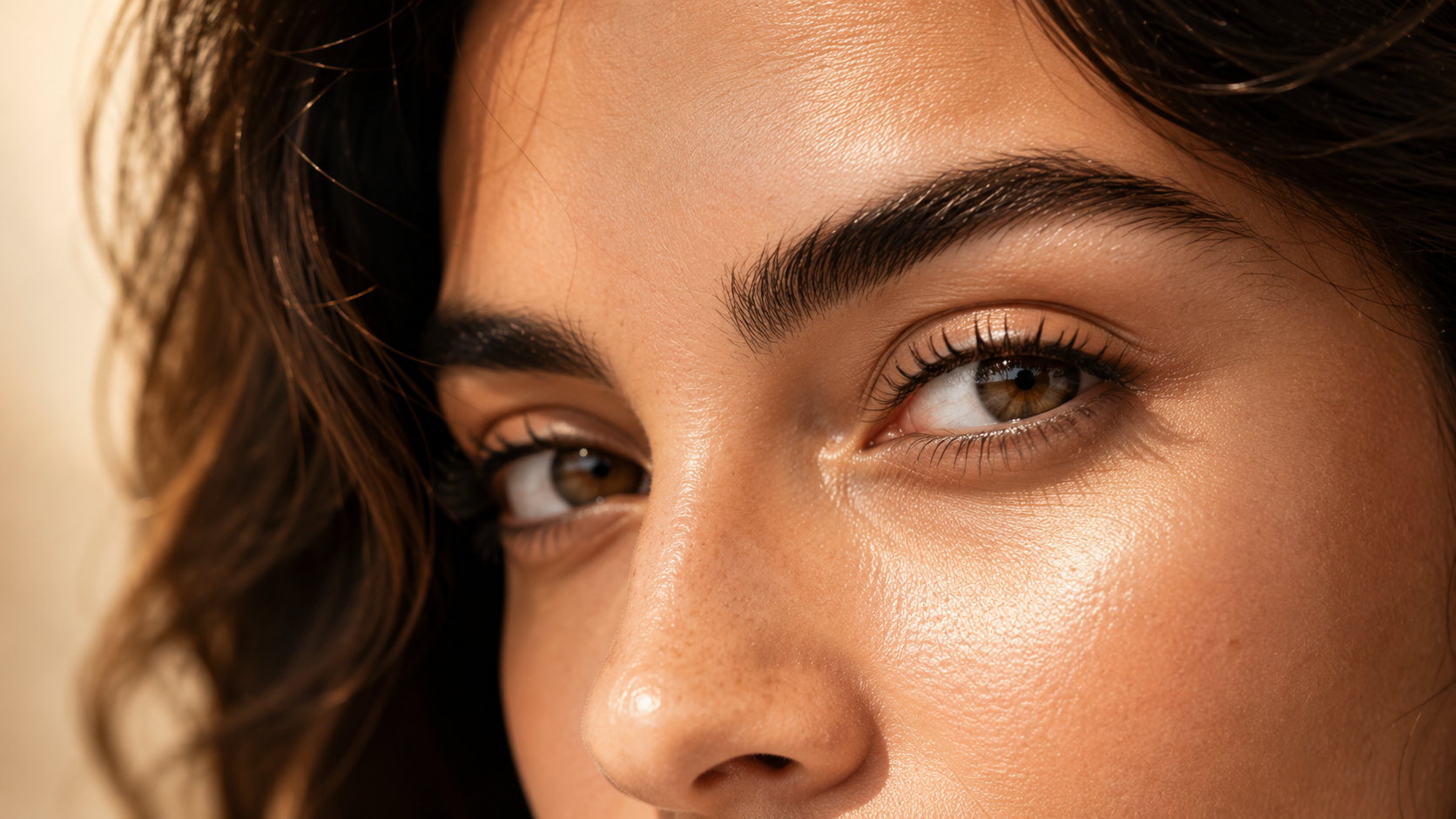
Undereye filler addresses structural volume loss in the tear trough, not pigmentation or skin discoloration. Dark circles caused by hyperpigmentation, visible veins, or thin translucent skin will not improve with filler alone. If your undereye darkness is primarily due to shadowing from a deep tear trough, filler can reduce the contrast between the hollow and surrounding tissue, making the area appear brighter. However, if pigmentation is the main concern—common in patients with darker skin tones or genetic melasma—topical treatments, chemical peels, or laser therapy may be more appropriate. A thorough consultation will determine whether your dark circles stem from volume loss, pigmentation, vascular show-through, or a combination of factors.
True under-eye bags, caused by herniated orbital fat or laxity in the lower eyelid septum, cannot be corrected with filler and may even appear worse if volume is added in the wrong plane. These bags protrude outward rather than hollowing inward, and adding filler risks creating additional fullness rather than smoothing the contour. In such cases, lower blepharoplasty (eyelid surgery) is often the more effective solution. Some patients have both tear trough hollowing and mild fat pad prominence, creating a double contour; skilled injectors can sometimes camouflage this by filling the hollow below the bag to create a smoother transition, but results vary and the approach must be highly individualized.
Filler dark circles eyes improvement is most dramatic when the primary issue is skeletal hollowing or loss of soft tissue volume in the infraorbital region. Patients who are good candidates typically have a visible groove or depression extending from the inner corner of the eye toward the midface, worsened by aging, weight loss, or genetic bone structure. If you press gently on the hollow and the shadowing diminishes, filler is likely to help. If the darkness persists regardless of contour changes, alternative treatments should be explored. Understanding these distinctions before treatment prevents disappointment and ensures you pursue the modality best suited to your anatomy and aesthetic concerns.
Fact 6: Injector Expertise Matters More for Tear Troughs Than for Any Other Facial Area
The tear trough region presents one of the most technically demanding injection sites on the face due to thin skin, complex vascular anatomy, and minimal subcutaneous fat between the skin surface and underlying bone. Unlike other common treatment areas for hyaluronic acid fillers such as the cheeks, lips, or nasolabial folds, the undereye area offers little room for error. Even small volumes of product placed at the wrong depth can result in visible irregularities, persistent swelling, or asymmetry that is immediately apparent and difficult to correct.
Board-certified dermatologists, plastic surgeons, and extensively trained nurse injectors with documented experience in periorbital filler placement are the most qualified providers for undereye filler treatments. During your consultation, confirm the injector’s specific experience with tear trough augmentation, their preferred products for this area, and their protocols for managing complications. A skilled practitioner will conduct a thorough assessment of your anatomy to determine whether you are an appropriate candidate. Factors such as very thin lower eyelid skin, prominent fat pads, or significant skin laxity often indicate that filler will not produce optimal results and alternative approaches should be considered.
Conservative injection technique is essential for both safety and aesthetic outcomes. Experienced injectors use microdroplet or linear threading methods, placing small amounts of hyaluronic acid filler precisely along the infraorbital rim while avoiding superficial planes where product visibility and lymphatic complications are more likely. Common side effects of undereye filler include swelling, bruising, and tenderness, typically resolving within 1-3 days. However, rare but serious complications such as vascular occlusion require immediate medical intervention, making provider expertise and emergency preparedness critical factors in treatment selection.
Fact 7: Specific Filler Brands Are Formulated for the Delicate Anatomy of the Eye Area

Not all dermal fillers are suitable for the tear trough. Products designed for deep volumization, such as Juvéderm Voluma, are too robust and cohesive for the thin skin and delicate anatomy of the undereye region. Instead, injectors select fillers with smoother consistency, lower G-prime (a measure of gel firmness), and minimal tendency to attract water, which can cause prolonged swelling. Restylane Eyelight, Juvéderm Volbella, Restylane-L, and Belotero Balance are among the most commonly used products for tear troughs due to their formulation characteristics and track record of safety in the periorbital area.
Restylane Eyelight is currently the only filler with FDA approval specifically for undereye hollows. However, experienced injectors may also utilize other hyaluronic acid fillers when they believe a different product is better suited to a patient’s anatomy and treatment goals.
Choosing the right filler depends on your anatomy, skin thickness, and the degree of hollowing present. Thinner-skinned patients may benefit from Belotero Balance, which integrates deeply and is less likely to show through the skin. Those with moderate to severe volume loss may require a slightly more robust product like Restylane Eyelight to achieve visible correction. Your injector will evaluate these factors during your consultation and recommend the formulation best suited to your individual case. At LA ViE MD, our physician-led teams across the Bay Area use only FDA-approved hyaluronic acid fillers and tailor product selection to each patient’s unique facial anatomy and aesthetic goals.
Frequently Asked Questions (FAQs)
How long do under eye fillers last?
Undereye filler typically lasts between 12 and 18 months, depending on the specific product used and individual factors such as metabolism and lifestyle. Juvéderm Volbella generally lasts around 12 months, while Restylane formulations may extend closer to 18 months. Because the tear trough area experiences less mechanical movement than other facial zones, results tend to persist longer than in high-motion areas like the lips. Touch-up treatments usually require less product than the initial session.
How is under eye filler pricing determined?
Under-eye filler treatment is customized based on your anatomy, treatment goals, and the product selected by your provider. During your consultation, your provider will assess the degree of hollowing, skin quality, and overall facial balance before recommending a treatment plan. Because every patient is different, pricing is discussed during the consultation process.
Is under eye filler safe and what are the risks?
Undereye filler is safe when performed by experienced, trained injectors using FDA-approved hyaluronic acid products. Common side effects include temporary swelling, bruising, and tenderness lasting one to three days. Rare but serious risks include vascular occlusion, which can lead to tissue damage or vision complications if filler enters a blood vessel. Choosing a provider with advanced anatomical knowledge, emergency preparedness, and hyaluronidase on-site minimizes these risks. Restylane Eyelight is the only filler specifically FDA-approved for the undereye area.
What is the recovery time for under eye filler?
Recovery from undereye filler is typically one to three days, with mild swelling and possible bruising being the most common effects. Swelling peaks within 24 to 48 hours and resolves gradually, while bruising, if it occurs, fades within five to seven days. Patients can usually return to work the next day and resume normal activities within 48 hours. Avoiding strenuous exercise, alcohol, and blood-thinning medications for at least two days helps minimize swelling and bruising.
Does under eye filler work for dark circles?
Undereye filler improves dark circles only when the discoloration is caused by shadowing from volume loss and hollowing in the tear trough. Filler does not address pigmentation, visible veins, or thin skin, which are common causes of undereye darkness. If the dark circles are primarily due to structural hollowing, adding volume can reduce contrast and make the area appear brighter. A consultation is necessary to determine whether filler, topical treatments, or laser therapy is the most appropriate solution for your specific type of dark circles.
Am I a good candidate for under eye filler?
The best fillers for under eye hollows are those formulated with smooth consistency and appropriate viscosity for delicate periorbital tissue. Restylane Eyelight is FDA-approved specifically for tear troughs and is a top choice for on-label treatment. Juvéderm Volbella and Restylane-L are also commonly used due to their soft texture and proven safety profiles. Belotero Balance is preferred for very thin-skinned patients because it integrates deeply without showing through the skin. Your injector will recommend the most suitable product based on your anatomy and the severity of hollowing.
Medical Disclaimer: This content is for educational purposes only and is not a substitute for personalized medical advice. Individual results vary. Schedule a consultation with a qualified LA ViE MD provider to determine whether undereye filler or another treatment option is appropriate for your goals.Because the article is clearly talking about injectors, NPs, PAs, etc., not exclusively Dr. Neetu.