
Botox vs Fillers in 2026: Benefits, Cost, Results & Longevity Compared
If you’re exploring aesthetic treatments for the first time, chances are you’ve asked yourself the same question thousands of others are Googling right now: Botox vs Fillers in 2026: Benefits, Cost, Results & Longevity Compared, which one is actually right for your face?
Both treatments are incredibly popular, non-surgical, and effective. But they work in very different ways. This guide breaks everything down in a clear, beginner-friendly way, so you can feel confident before booking your first appointment.

Botox vs Fillers: The Big Difference (In Simple Terms)
Let’s start with the basics.
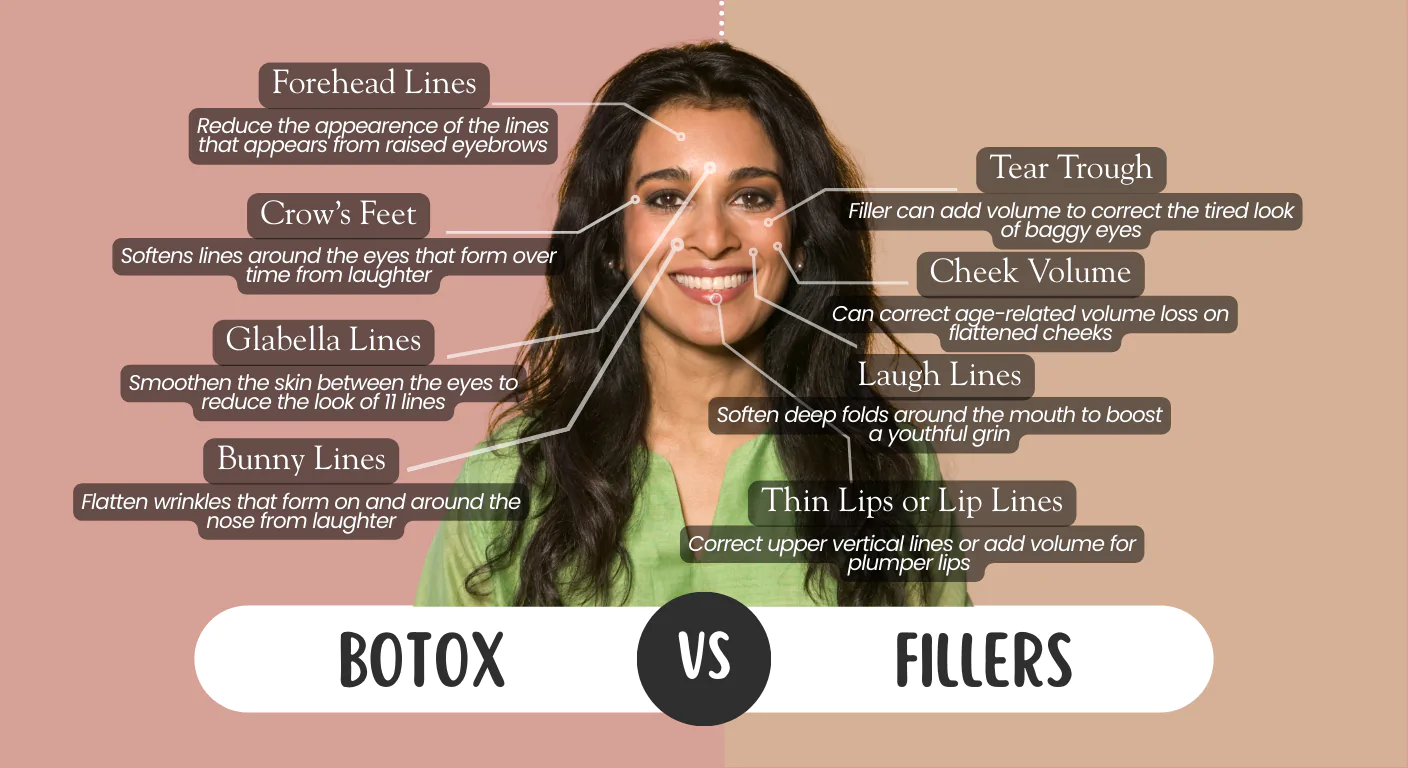
Botox relaxes muscles that cause wrinkles.
Dermal fillers restore lost volume and enhance facial contours.
Think of it like this:
- Botox = smooths movement-related lines
- Fillers = rebuilds volume and structure
Understanding this difference is the foundation of choosing wisely,and it’s why so many people search for Botox vs Fillers in 2026: Benefits, Cost, Results & Longevity Compared before committing.
What Botox Treats Best
Botox is ideal for wrinkles caused by repeated facial expressions.
Common treatment areas:
- Forehead lines
- Frown lines (between the brows)
- Crow’s feet
- Bunny lines on the nose
What results look like
A first-time Botox patient often notices smoother skin within 3–5 days, with full results in about two weeks. The face still looks natural, just more refreshed.
Real-life example:
A 32-year-old professional with early forehead lines wanted a subtle, “well-rested” look before her wedding. After a conservative Botox treatment, friends commented that she looked relaxed and glowing, but couldn’t pinpoint why.
What Dermal Fillers Treat Best
Fillers address volume loss, facial balancing, and contouring.
Common treatment areas:
- Lips (definition or volume)
- Cheeks (lift and structure)
- Jawline and chin
- Under-eyes and smile lines
What results look like
Results are visible immediately. Swelling settles in a few days, revealing smoother, fuller contours.
Real-life example:
A 45-year-old patient noticed her face looked “tired” despite good skincare. Strategic cheek filler restored youthful structure, lifting her lower face without surgery.
This difference in outcomes is a key reason patients compare Botox vs Fillers in 2026: Benefits, Cost, Results & Longevity Compared before choosing.
Cost Comparison: Botox vs Fillers in 2026
Pricing varies by provider, experience, and area treated,but here’s a general comparison.
Botox
- Typically priced per unit
- Lower upfront cost
- Needs repeat treatments
Dermal Fillers
- Priced per syringe
- Higher upfront cost
- Longer-lasting results
Tip: Many first-time patients start with Botox because it’s more affordable initially, then add fillers later as needed. Know more about the pricing by booking your consultation with LA ViE MD today.
Dermal Remodeling and RF-Induced Tissue Response
At the tissue level, radiofrequency energy produces heat that may lead to immediate structural changes in collagen fibers, followed by longer-term remodeling processes. These effects are gradual and depend on multiple factors, including skin condition, treatment parameters, and overall skin health.
A Springer Nature clinical article on monopolar radiofrequency for facial skin laxity describes how controlled RF heating can influence dermal thickness and collagen structure, providing further context for how RF technologies are used in aesthetic practice.
Such findings support the conceptual basis of RF skin tightening without implying uniform or guaranteed outcomes.
Longevity: How Long Do Results Last?
One of the most searched aspects of Botox vs Fillers in 2026: Benefits, Cost, Results & Longevity Compared is how long results actually last.
Botox longevity
- 3-4 months on average
- With regular use, results may last longer over time
Filler longevity
- 9-18 months depending on the filler type and area
- Some structural fillers last up to 2 years
Can You Combine Botox and Fillers?
Absolutely, and this is where results truly shine.
Many patients choose a combination approach, sometimes called a “liquid facelift,” to:
- Smooth wrinkles with Botox
- Restore volume with fillers
- Achieve balanced, natural-looking rejuvenation
Example:
A patient in her late 30s used Botox for forehead lines and subtle lip filler for definition. The result? A refreshed, youthful appearance without looking “done.”
Which One Is Right for You?
Ask yourself:
- Do I want to smooth wrinkles caused by movement? → Botox
- Do I want to restore volume or enhance features? → FillersDo I want a refreshed but natural look? → Often both
This personalized decision-making is exactly why people continue searching for Botox vs Fillers in 2026: Benefits, Cost, Results & Longevity Compared, because there’s no one-size-fits-all answer.

Final Thoughts
Choosing between Botox and fillers doesn’t have to feel overwhelming. When guided by an experienced provider and a clear understanding of your goals, both treatments can deliver beautiful, confidence-boosting results.
If you’re new to injectables, start with a consultation, ask questions, and remember: the best outcomes always come from customized, conservative treatment plans, not trends.

Frequently Asked Questions: Botox vs Fillers
1. What is the main difference between Botox and dermal fillers?
Botox relaxes facial muscles to smooth wrinkles caused by expressions, while dermal fillers restore lost volume and enhance facial contours.
2. Is Botox or filler better for first-time patients?
For many first-time patients, Botox is often the starting point because it’s subtle, temporary, and lower in upfront cost. However, if volume loss is your main concern, fillers may be the better option. A consultation helps determine what’s right for your face.
3. At what age should I start Botox or fillers?
There’s no “right” age. Botox is commonly started in the late 20s or early 30s to soften expression lines, while fillers are often used later to restore volume. Treatment decisions are based on facial anatomy, not age.
4. How long does Botox last compared to fillers?
Botox typically lasts 3-4 months, while fillers can last 9-18 months or longer depending on the product and treatment area. Longevity is one of the biggest deciding factors when comparing Botox vs fillers in 2026.
5. Will I look fake or overdone?
When performed conservatively by an experienced provider, both Botox and fillers should look natural. The goal is to refresh your appearance, not change how you look. Most people simply hear, “You look well-rested.”
6. Is Botox or filler painful?
Discomfort is minimal for both treatments. Botox feels like small pinches, while fillers may involve mild pressure. Numbing options are often used to keep patients comfortable.
7. How much downtime is there after Botox or fillers?
Botox has little to no downtime, you can return to normal activities the same day. Fillers may cause mild swelling or bruising for a few days, depending on the area treated.
8. Can Botox and fillers be done together?
Yes, and they’re often combined for optimal results. Botox smooths dynamic wrinkles, while fillers restore volume and structure. This combination approach delivers balanced, natural-looking facial rejuvenation.
9. Are Botox and fillers safe?
When administered by trained medical professionals using FDA-approved products, both treatments are considered very safe. Choosing an experienced provider is key to achieving safe and successful results.
10. How do I know which treatment I actually need?
The best way to decide is through a personalized consultation. Facial movement, volume loss, skin quality, and your aesthetic goals all play a role.