PRP For Face: A Natural Way to Support Skin Rejuvenation
What Is PRP Face Treatment, and Why Are People Choosing It?
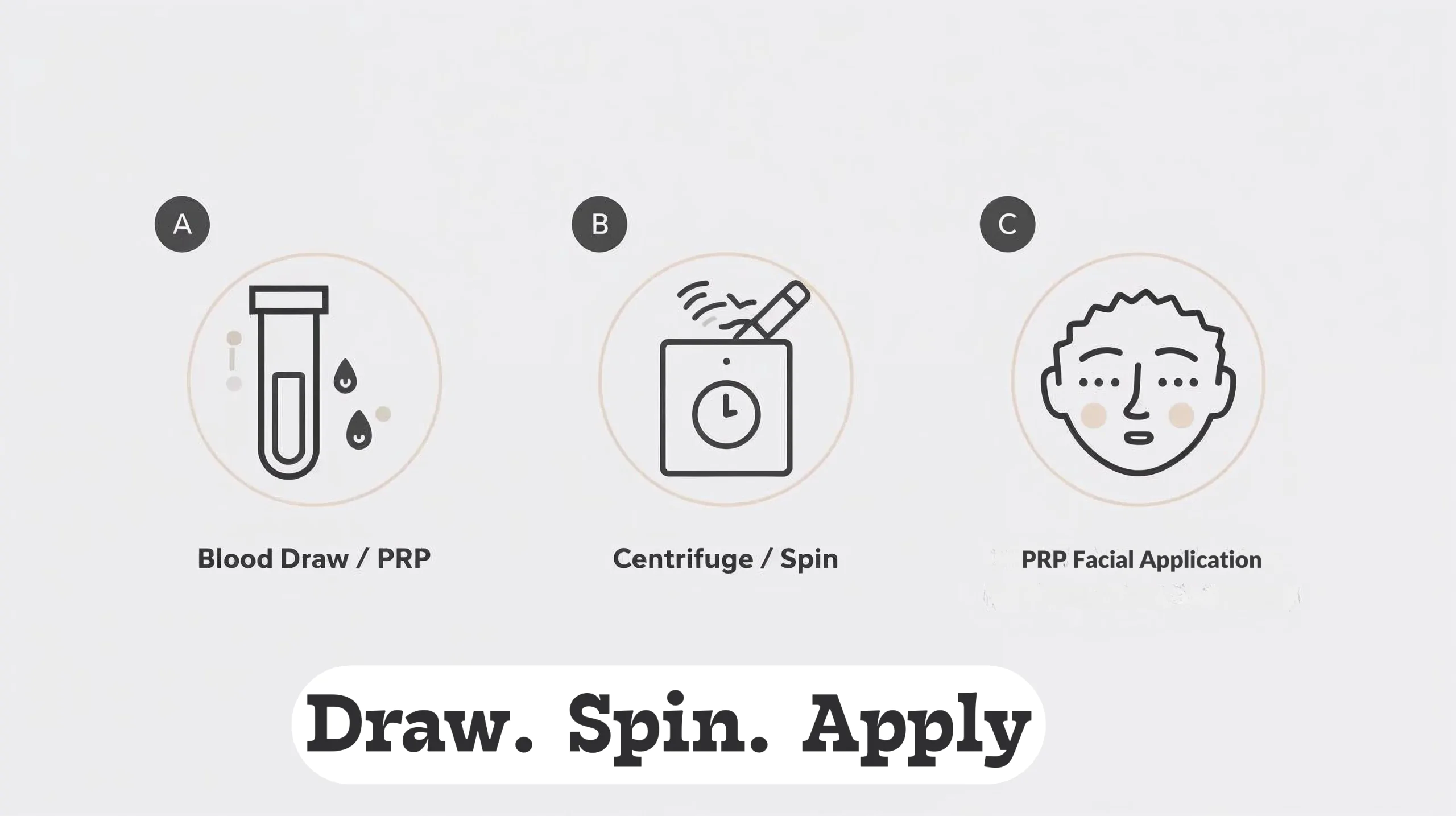
PRP stands for platelet-rich plasma. It is derived from your own blood. A small amount of blood is drawn, processed in a centrifuge, and separated so that the plasma with a higher concentration of platelets can be collected. This platelet-rich plasma is then applied or injected into specific areas of the face.
Why is PRP facial treatment becoming popular?
Interest in PRP facial treatments has grown because people are looking for subtle, natural-looking results rather than dramatic changes. PRP does not add volume like fillers or freeze muscles like certain injectables. Instead, it focuses on skin quality.
Some common reasons people consider PRP therapy for face care include:
- Dull or tired-looking skin
- Uneven skin tone or texture
- Fine lines and early wrinkles
- Acne scars or mild pigmentation
- Skin that has lost firmness over time
It is important to understand that PRP works gradually. The changes, if they happen, tend to look like better skin health rather than an obvious cosmetic procedure. Many patients explore PRP face treatment as a natural option that may support healthier-looking skin over time.

How does PRP work on facial skin?
Skin naturally renews itself, but this process slows down with age, sun exposure, stress, and lifestyle factors. PRP is believed to support this renewal process by delivering growth factors directly into the skin.
Research published in peer-reviewed dermatology literature suggests that growth factors released from platelets may stimulate collagen production, improve blood supply to the skin, and support tissue repair. Reviews and clinical studies in journals including the Journal of Cosmetic Dermatology, Aesthetic Plastic Surgery, and Dermatologic Surgery report improvements in skin texture, elasticity, and overall appearance following PRP facial treatments when used in appropriate candidates. These effects are thought to contribute to improvements in skin texture and elasticity over time. It is important to note that while studies show promising trends, PRP outcomes are not uniform and depend on individual biology and treatment protocols.
When PRP is injected or combined with microneedling, it may enhance the skin’s natural repair response. This is why PRP facial treatment is generally classified as a regenerative or rejuvenation procedure rather than a traditional cosmetic treatment.
What happens during a PRP facial session?
PRP Face Treatment: Benefits, Risks & What to Expect
PRP facial treatment is generally considered safe when performed by trained medical professionals using proper sterile techniques. Because the plasma is derived from the patient’s own blood, the risk of allergic reactions is considered low.
Clinical reviews in aesthetic and dermatologic medicine report that most side effects associated with PRP facial treatments are mild and temporary. Safety data discussed in publications such as Dermatologic Surgery and the Journal of Cutaneous and Aesthetic Surgery describe transient redness, swelling, bruising, and tenderness as the most commonly observed effects. These may include redness, swelling, bruising, or sensitivity at the treatment site. Such effects usually resolve within a few days.
Serious complications are uncommon but can occur if the procedure is performed without proper medical oversight or infection control. This is why PRP should always be administered in a clinical setting by qualified professionals, rather than as a cosmetic add-on without medical supervision.

Final thoughts
PRP for face treatment has become popular because it fits the growing demand for treatments that improve skin health without drastically changing facial appearance. Its growing use is supported by clinical discussions and review articles in journals such as the Journal of Cosmetic Dermatology and Aesthetic Plastic Surgery, which describe PRP as a regenerative approach rather than a traditional cosmetic intervention.
Scientific studies suggest that PRP may support collagen production and skin rejuvenation, but it is not a miracle solution. Results vary, and the treatment works best when expectations are realistic and the procedure is performed correctly.
If you are looking to refresh your skin, improve texture, or address early signs of ageing without surgery, PRP facial treatment may be worth exploring. The most important step is a personalized consultation where your skin concerns, medical history, and goals are properly assessed.
A professional evaluation will help determine whether PRP is suitable for you and how it can be integrated into a long-term skin care plan that delivers safe and meaningful results.

Disclaimer: The information provided in this article is for educational and informational purposes only and should not be considered medical advice. PRP for face treatment outcomes vary between individuals and depend on multiple factors, including skin condition, medical history, and treatment technique. This content does not replace a consultation, diagnosis, or treatment plan provided by a qualified medical professional. Always seek advice from a licensed healthcare provider before undergoing any aesthetic or medical procedure.
FAQs
1. What is PRP for face treatment?
PRP for face treatment uses platelet-rich plasma derived from your own blood to support skin rejuvenation. Platelets contain growth factors that are involved in the body’s natural repair processes. In facial treatments, PRP is usually applied to the skin or delivered through techniques like microneedling to support texture, tone, and overall skin quality.
According to Johns Hopkins Medicine, PRP is being studied for its potential role in tissue healing and regeneration, though individual results may vary.
2. How does PRP face treatment work?
The procedure typically involves three steps. First, a small amount of blood is drawn. This blood is then processed in a centrifuge to concentrate the platelets. The platelet-rich plasma is applied to the face or used alongside microneedling to support skin renewal.
The Mayo Clinic explains that PRP contains proteins and growth factors that may support cellular activity, although research is still evolving.
3. What results can I expect from PRP for the face?
Some individuals pursue PRP face treatment to support smoother skin texture, improved hydration, and a healthier-looking glow. Because PRP works with the body’s natural processes, results tend to develop gradually rather than instantly.
Medical sources such as WebMD note that outcomes vary depending on factors like age, skin condition, and overall health, and no cosmetic result can be guaranteed.
4. Is PRP face treatment safe?
When performed by trained medical professionals using proper protocols, PRP face treatments are generally considered low risk since they use the patient’s own blood. Temporary redness, mild swelling, or sensitivity may occur after treatment.
5. Who is a good candidate for PRP face treatment?
PRP face treatment may be considered by adults looking for minimally invasive skin rejuvenation options. However, it may not be suitable for individuals with certain medical conditions, blood disorders, or active skin infections.
A consultation with a licensed healthcare provider is essential to determine whether PRP is appropriate for your skin goals and medical history.