Pete Davidson’s Tattoo Removal: What You Need to Know about Laser Treatment
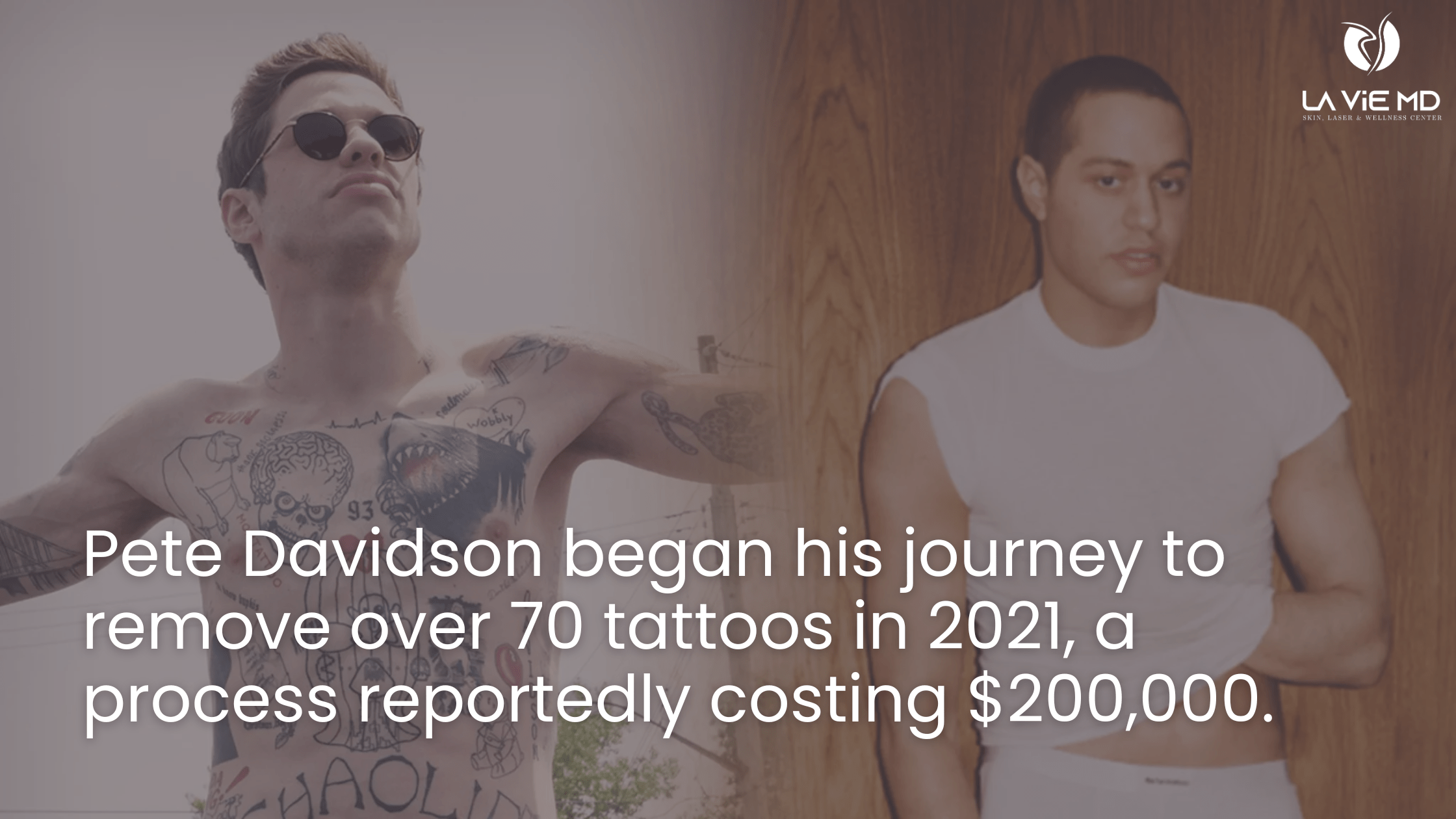
Comedian and actor Pete Davidson has been making headlines for his tattoo removal costing $200 K. Since 2021, he’s been undergoing the lengthy process of removing over 70 tattoos that once covered his arms, chest, neck, and hands.
The removal process itself has been a significant commitment for the star, who described the experience as “worse than getting tattooed” and acknowledged it would take several years to complete.
But what exactly does tattoo removal involve, and what should you know if you’re considering this procedure? Whether you have just one regrettable tattoo or dozens like Davidson, this comprehensive guide explains the science, process, and expectations for modern tattoo removal techniques.
The Science Behind Tattoo Permanence
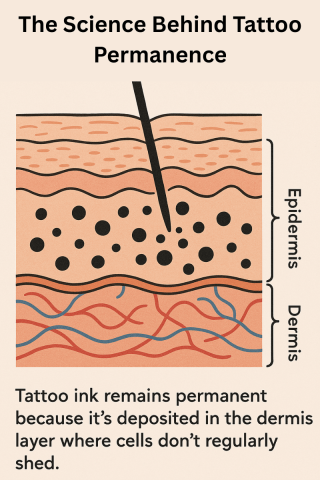
Before understanding removal, it’s important to know why tattoos are permanent in the first place. When you get a tattoo, the ink is deposited beyond the outer layer of skin (epidermis) into the deeper dermis layer. The dermis contains cells that are more stable and don’t regularly shed like the epidermis does.
Why Tattoos Stay Put:
- Tattoo needles penetrate 1.5-2mm below the skin’s surface
- Ink particles are too large for the body to naturally remove
- The immune system encapsulates the ink particles, keeping them trapped in the dermis
- Without intervention, most tattoos remain visible for life
Types of Tattoo Removal Methods
While several tattoo removal methods exist, they vary significantly in effectiveness, risk profile, and recovery time.

Laser Tattoo Removal
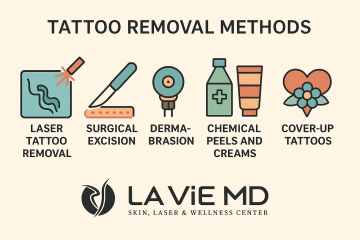
The gold standard in tattoo removal, using targeted light energy to break down ink particles.
-
Surgical Excision
Physically cutting out the tattooed skin and suturing the remaining skin together. Only practical for very small tattoos.
-
Dermabrasion
Using abrasive devices to “sand” away layers of skin. Generally considered outdated with significant scarring risks.
-
Chemical Peels and Creams
Over-the-counter creams and chemical solutions that attempt to bleach or fade tattoos. Generally ineffective and potentially damaging.
-
Cover-Up Tattoos
Not technically removal, but a popular alternative where a new, usually larger tattoo is designed to incorporate and conceal the unwanted tattoo.
How Laser Tattoo Removal Works
Pete Davidson has reportedly been using laser removal for his extensive tattoo collection, and for good reason – it’s the most effective method available today.
The Basic Process:
Laser tattoo removal works on a fascinating scientific principle called photothermolysis. Here’s how it works:
- Targeted light energy: The laser emits highly concentrated light beams at specific wavelengths.
- Selective absorption: Different colored lasers target different ink colors (black absorbs all wavelengths).
- Ink shattering: The rapid heating and cooling causes ink particles to fragment into tiny pieces.
- Natural elimination: These microscopic particles are small enough for the body’s immune system to gradually remove.
The PicoWay Laser
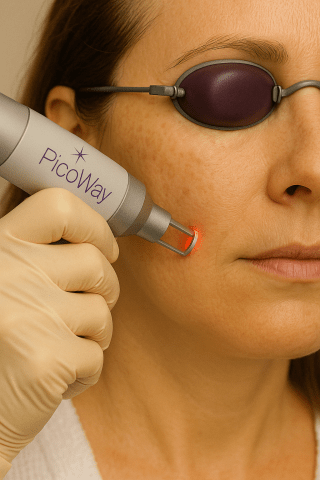
The latest generation of laser technology, such as the PicoWay system, uses ultra-short pulses measured in picoseconds (one trillionth of a second). This represents a significant advancement over older nanosecond lasers.
 Benefits of PicoWay Technology:
 Benefits of PicoWay Technology:
- Creates a photoacoustic effect rather than purely thermal
- Shatters ink into much smaller particles
- Requires fewer treatments overall
- Works more effectively on stubborn colors
- Reduces risk of scarring and skin damage
- More comfortable during treatment
- Shorter recovery time between sessions
This advanced technology is likely what celebrities like Pete Davidson are using to achieve more efficient results with less downtime between filming projects.
Does Tattoo Removal Hurt?
One of the most common questions about tattoo removal relates to pain levels. While individual experiences vary, most patients describe the sensation as:
- Similar to having a rubber band snapped against the skin repeatedly
- More uncomfortable than painful
- Typically more intense for tattoos near bones or in sensitive areas
- Generally more manageable than getting the original tattoo
Pain management options usually include:
- Topical numbing creams applied 30-60 minutes before treatment
- Cold air cooling systems used during the procedure
- Over-the-counter pain relievers before treatment
- Brief treatment sessions (usually 10-30 minutes depending on size)
Pete Davidson has described his tattoo removal experience as “worse than getting tattooed,” but modern technology and pain management techniques continue to improve comfort levels during treatment.
The Tattoo Removal Process
What to Expect:
-
Initial Consultation
- Evaluation of tattoo size, ink colors, location, and skin type
- Discussion of realistic timeline and expected results
- Creation of personalized treatment plan
-
Treatment Sessions
- Protective eyewear for both patient and practitioner
- Application of topical numbing if desired
- Brief treatment sessions lasting 10-30 minutes
- Immediate ice application and wound care instructions
-
Between Sessions
- Spacing of 6-8 weeks between treatments to allow healing
- Following strict aftercare instructions
- Protecting the area from sun exposure
- Multiple sessions (typically 5-12) for complete removal
Timeline Reality Check
Unlike Pete Davidson, who has reportedly been undergoing removal for several years, most people don’t have dozens of tattoos to remove. However, patience remains essential:
- Complete removal typically takes 1-2 years
- Professional, dark ink tattoos may require 8-12 sessions
- Amateur or lighter ink tattoos might need only 4-6 sessions
- Certain colors (blues, greens) typically take longer to fade
- Older tattoos often respond more quickly to treatment
Risks and Benefits
Potential Benefits:
- Freedom from unwanted tattoos
- Improved self-confidence
- Elimination of tattoo-related career limitations
- Ability to replace with new tattoo designs
Possible Risks:
- Temporary side effects (redness, swelling, blistering)
- Potential for hypopigmentation (lightening of skin)
- Rare risk of scarring
- Incomplete removal (particularly with certain colors)
- Temporary texture changes in treated area
Is Tattoo Removal Right for You?
Whether you have tattoo regrets or simply want a fresh canvas, considering these factors can help determine if tattoo removal is right for you:
- How much the tattoo bothers you daily
- Whether it’s limiting professional opportunities
- Your pain tolerance and commitment to multiple sessions
- Willingness to follow strict aftercare instructions
- Realistic expectations about the final results
For more info and personalized insights, book a consultation with us today or visit our Livermore, Los Gatos or Danville locations in any of our SF Bay area locations.
FAQs
How many sessions will I need for complete removal?
Most tattoos require 5-12 sessions for complete removal, depending on factors including ink colors, tattoo age, ink density, location on the body, and your own immune system efficiency. Professional tattoos typically need more sessions than amateur tattoos.
Can all tattoo colors be removed?
With advanced technology like PicoWay, most colors can be significantly faded or removed. Black, red, and dark blue typically respond best. Greens, light blues, and purples can be more challenging but still respond to treatment. Yellow and white are the most resistant colors.
Is it safe for all skin types?
Modern laser systems are designed to work safely on all skin types. However, darker skin tones require special expertise and settings to avoid pigmentation changes. Always choose a provider experienced with your specific skin type.
Will I have scarring after removal?
With proper treatment and aftercare, the risk of scarring is minimal. Modern picosecond lasers significantly reduce scarring risk compared to older technologies.
Can I get a new tattoo in the same location after removal?
Yes, once the removal process is complete and the skin has fully healed (typically 3-6 months after the final treatment), you can get a new tattoo in the same location if desired.
Disclaimer: This article is for informational purposes only and does not constitute medical advice. Always consult with a qualified healthcare provider for diagnosis and treatment recommendations.