
Hormone Therapy in 2025: Complete Guide for Men & Women
Remember when you could power through your day effortlessly, sleep soundly through the night, and feel genuinely excited about life? If those days feel like a distant memory, your hormones might be trying to tell you something important.
The truth is, hormone decline doesn’t discriminate. Whether you’re a 35-year-old woman struggling with unexplained fatigue or a 45-year-old man noticing your energy and drive aren’t what they used to be, hormonal changes affect everyone, just differently and at different times.
The good news is that 2025 brings us the most advanced, personalized hormone therapy options we’ve ever had, with treatments that go far beyond traditional approaches to help both men and women reclaim their vitality.
Let’s understand more about hormone (replacement) therapy or HRT.
Why Do We Need Hormone Therapy and How Does It Work?
Understanding Hormone Decline Across Genders
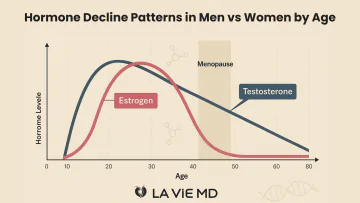
- Your body’s hormone production isn’t meant to last forever at peak levels. As we age, the glands responsible for hormone production, your ovaries, testes, adrenal glands, and thyroid, gradually slow down their output. This isn’t a design flaw; it’s a natural biological process. However, this decline often happens faster than our bodies can adapt, creating a gap between what we need to feel our best and what we’re naturally producing.Hormonal changes affect everyone differently, but the patterns are clear. For men, testosterone levels naturally decline by about 1% per year after age 30, with nearly 40% of men over 45 experiencing low testosterone. The statistics become more dramatic with age, as 20% of men over 60, 30% over 70, and 50% over 80 develop hypogonadism.Women face their own hormonal journey, experiencing significant changes during perimenopause and menopause, typically between ages 45-55. However, hormonal imbalances can affect women of all ages, from PCOS in younger women to thyroid disorders that can occur at any life stage.
How Hormone Therapy Restores Balance
Hormone therapy works by replacing or supplementing the hormones your body is no longer producing in adequate amounts.
When you receive hormone therapy, several things happen:
- Cellular Rejuvenation: Your cells receive the clear signals they’ve been missing, allowing them to function at their intended capacity
- Metabolic Reset: Your metabolism speeds up, fat burning improves, and muscle building becomes easier
- Neurotransmitter Balance: Hormones directly influence brain chemistry, improving mood, focus, and emotional stability
- System Integration: All your body systems begin communicating more effectively, leading to improved overall health
Within weeks of starting proper hormone therapy, your body begins to remember what it felt like to operate optimally. Energy levels stabilize, sleep patterns improve, and that mental fog lifts.
Types of Hormone Therapy Available Today
Modern hormone therapy encompasses various treatments tailored to individual needs and preferences. Testosterone Replacement Therapy (TRT) comes in multiple forms including gels, patches, injections, and pellets, while women have access to estrogen and progesterone therapies through similar delivery methods.
Delivery Methods Include:
- Topical Applications: Gels and creams applied daily offer convenience and steady hormone levels
- Transdermal Patches: Week-long patches provide consistent delivery without daily application
- Injections: Given every 1-2 weeks for men, or as prescribed for women, offering cost-effective treatment
- Pellet Therapy: Implanted pellets provide sustained hormone release for 3-6 months
- Oral Medications: Pills and tablets for specific hormone deficiencies
Bioidentical vs. Synthetic Options
Bioidentical hormones are plant-derived and chemically identical to naturally produced hormones, while synthetic hormones are laboratory-created alternatives. Both men and women can access FDA-approved bioidentical options through their healthcare providers.
Recognizing the Signs You Might Need Hormone Therapy
Hormone deficiency symptoms often overlap between men and women, though some are gender-specific.
Universal Symptoms:
- Persistent fatigue and low energy levels
- Mood changes, including depression or irritability
- Difficulty sleeping or poor sleep quality
- Decreased mental clarity and concentration
- Unexplained weight gain
- Reduced bone density
Male-Specific Signs:
- Decreased libido and sexual dysfunction
- Declining muscle mass and strength
- Increased body fat, particularly around the midsection
- Loss of body and facial hair
Female-Specific Indicators:
- Hot flashes and night sweats
- Irregular or absent menstrual periods
- Vaginal dryness and discomfort
- Severe PMS or PCOS symptoms
The Life-Changing Benefits of Hormone Therapy
Physical Health Benefits:
- Explosive Energy Recovery: Say goodbye to 3 PM crashes and hello to sustained vitality that lasts from morning until evening
- Dramatic Body Composition Changes: Men typically gain 10-15% muscle mass while losing stubborn belly fat; women experience better weight distribution and easier weight management
- Bone Strength: Significant improvements in bone density that can reverse early osteoporosis and prevent future fractures
- Sleep Cycle: Deeper REM cycles, fewer night wakings, and that refreshed feeling you haven’t had in years
- Heart Health: When initiated properly, hormone therapy can reduce cardiovascular disease risk and improve overall heart function
- Metabolic Boost: Enhanced insulin sensitivity and glucose management, reducing diabetes risk
- Sexual Health: Both genders feel significant improvement in their sexual health.
Mental and Emotional Benefits:
- Mood Enhancement: Dramatic reduction in irritability, anxiety, and depression symptoms that may have plagued you for years
- Mental Sharpness: Improved focus, memory, and cognitive function that enhances work performance and daily life
- Motivation Surge: Renewed enthusiasm for hobbies, career goals, and personal projects you may have abandoned
- Emotional Stability: Better stress management and emotional resilience that improves all relationships
- Confidence Boost: Overall sense of well-being and self-assurance that radiates into every aspect of life
Specialized Benefits:
- Complete Hot Flash Relief: For women, hormone therapy eliminates hot flashes in up to 90% of cases
- Muscle Recovery: Faster workout recovery times and increased strength gains for both active men and women
Skin Transformation: Improved collagen production leads to more youthful, hydrated skin and stronger, healthier hair
Safety Considerations and Risk Management
Like any medical treatment, hormone therapy carries both benefits and risks that must be carefully weighed. Recent clinical trials have provided reassurance about cardiovascular and prostate cancer risks for men with clearly diagnosed testosterone deficiency, while ongoing research continues to refine our understanding of long-term safety.
Important Safety Measures:
- Comprehensive pre-treatment evaluation including blood work and physical examination.
- Regular monitoring during treatment with periodic lab tests and check-ups.
- Prostate cancer screening for men before and during testosterone therapy.
- Breast cancer risk assessment for women considering long-term hormone therapy.
- Monitoring for increased red blood cell count, which can increase clotting risk.
Contraindications: Hormone therapy may not be appropriate for individuals with certain conditions, including active cancer, recent heart attack or stroke, untreated sleep apnea, or desire to maintain fertility in the near term.
Making the Right Decision for Your Health
Before considering hormone therapy, address foundational health factors: maintain a balanced, nutritious diet, exercise regularly, and ensure quality sleep. These lifestyle factors can significantly impact hormone levels and overall well-being.
The decision to start hormone therapy should always involve comprehensive consultation with a healthcare provider.
That said, we’re excited to announce that our clinic will soon be offering comprehensive hormone therapy services and we’re here to help you explore your options and find the right solution for your individual needs.
Contact us today to schedule a consultation and take the first step toward optimizing your hormonal health.
Frequently Asked Questions
Q: How do I know if I need hormone therapy?
A: Persistent symptoms like fatigue, mood changes, sleep problems, or decreased libido that don’t improve with lifestyle changes may indicate hormone deficiency. A comprehensive evaluation with blood tests can determine if you’re a candidate for therapy.
Q: Is bioidentical hormone therapy safer than synthetic hormones?
A: There’s no scientific evidence to support claims that bioidentical hormones are safer than FDA-approved synthetic hormones. Both carry similar risks and benefits when properly prescribed and monitored.
Q: How long does hormone therapy take to work?
A: Most people notice improvements within 4-6 weeks of starting treatment, with full benefits typically achieved within 3-6 months. Individual responses vary based on dosage, delivery method, and personal factors.
Q: Can I stop hormone therapy once I start?
A: Yes, but symptoms often return when therapy is discontinued, as the body may have reduced its natural hormone production. Any changes to treatment should be discussed with your healthcare provider.


