
Erase Tattoo Laser- How Laser Tattoo Removal Works
Searching for an erase tattoo laser treatment usually begins with a simple question: can a tattoo that no longer fits you really be faded or removed? Laser tattoo removal can fade unwanted ink, but results depend on far more than the laser itself. Tattoo color, skin tone, ink density, depth and location all influence how a tattoo responds, which is why treatment works best when it is designed around the individual tattoo rather than a one-size-fits-all setting. Understanding how laser tattoo removal works, which colors respond more predictably and what recovery involves helps you approach treatment with realistic expectations.
No laser treatment can promise the same outcome for every tattoo. Some tattoos may fade quickly, while others need more sessions or may leave residual pigment. The number of visits, the way each color responds and how your skin heals between appointments all shape the final result. Practical considerations also matter, including how many sessions your plan is likely to need and how aftercare fits into your routine.
At LA ViE MD, we offer medically guided laser tattoo removal designed around your tattoo color, skin tone, ink density and treatment goals. Using advanced picosecond laser technology, treatment is customized to break tattoo pigment into smaller particles while your body gradually clears the fragmented ink over time. This guide explains how the erase tattoo laser process works, from treatment mechanisms and ink color to session timelines and aftercare, so you can approach your consultation with a clear understanding of what to expect.

How an Erase Tattoo Laser Works: Breaking Down Ink Beneath the Skin
Laser tattoo removal uses short pulses of focused energy to target pigment beneath the skin. The tattoo ink absorbs that energy and breaks into smaller particles, allowing the body to gradually clear the fragmented pigment between sessions. Rather than removing the ink in a single step, the laser works alongside the body’s own natural clearing process, which is why fading happens progressively over a series of appointments.
At LA ViE MD, your treatment begins with a consultation. Your provider reviews the tattoo’s color, depth, density, location and your skin type before selecting appropriate laser settings and building a treatment plan around your goals. This assessment is what allows the laser to be adjusted to your tattoo instead of applying the same settings to every patient.
In practical terms, treatment is not one-size-fits-all. Some tattoos may fade quickly, while others need more sessions or may leave residual pigment. Your consultation is where realistic expectations are set before treatment begins, so you understand what is likely to be achievable for your specific tattoo before committing to a plan.
Can Your Tattoo Color Be Treated? How Ink Color Affects Results
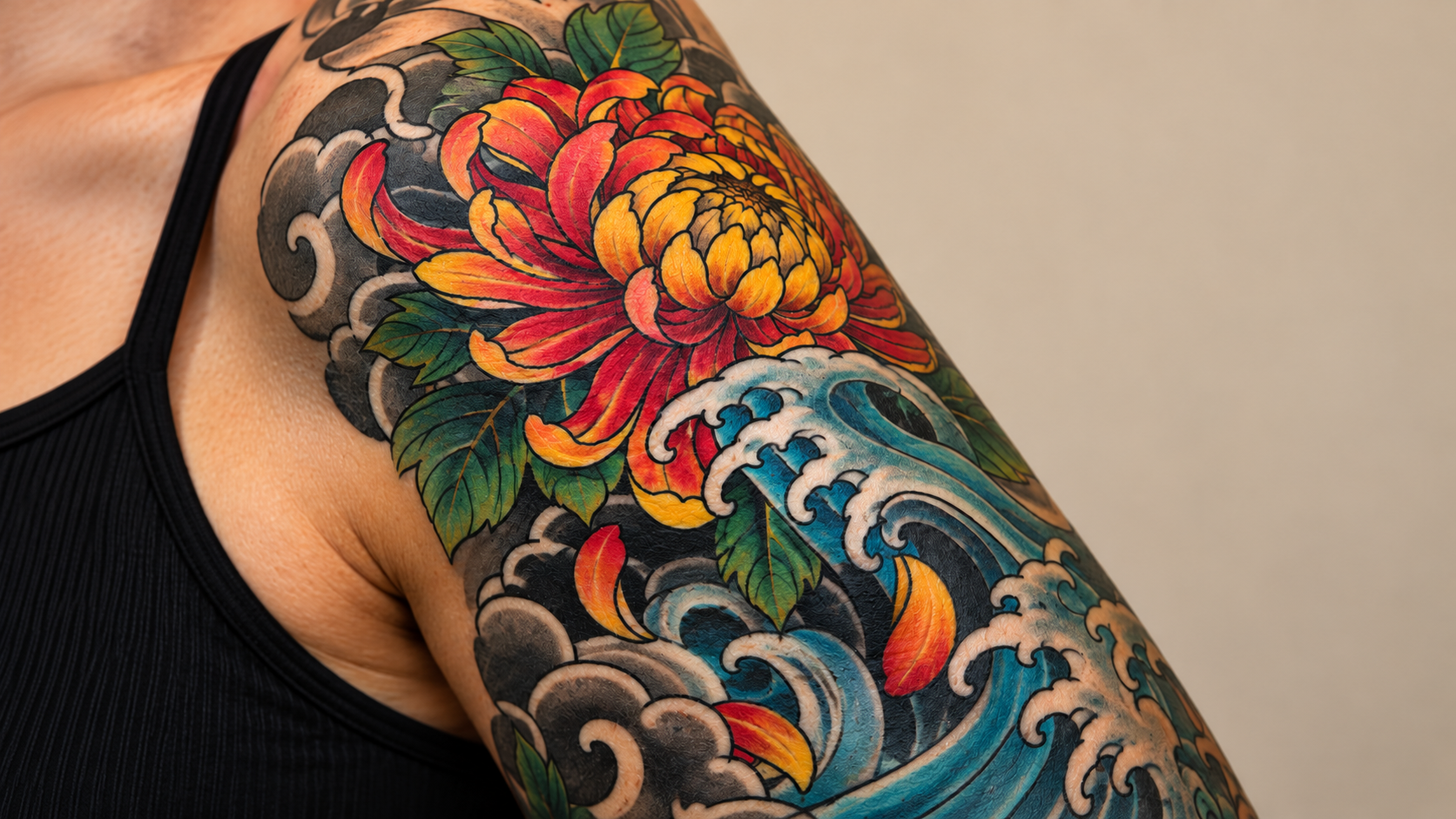
Ink color is one of the biggest factors in laser tattoo removal. Different pigments absorb different wavelengths, which is why treatment settings may change from one color to another. During your consultation, your provider assesses the colors present and explains which areas may respond more predictably and which may require additional sessions.
Black and dark blue pigments are often among the more responsive colors and may show progressive fading over a series of sessions, because they absorb commonly used tattoo-removal wavelengths well. Green and blue-green shades may require wavelength-specific treatment and a more individualized approach. Red and orange colors can respond differently from black ink and may need alternate settings during treatment.
Yellow, white and pastel pigments can be more challenging to remove. Certain cosmetic pigments may also react unpredictably, so a consultation is especially important if your tattoo includes these colors. Many colors can be treated, but because different pigments respond differently, areas of a multi-colored tattoo may fade at different rates.
How Many Erase Tattoo Laser Sessions Will You Need? Your Treatment Timeline
Most tattoos require a series of laser sessions rather than one appointment. Each visit targets part of the remaining pigment, while the time between sessions allows the skin to recover and the body to process the fragmented ink. This spacing is an essential part of treatment, not a delay, because the body needs time to clear the particles broken down at each visit.
Your treatment timeline depends on tattoo age, size, ink density, color, depth, location, scar tissue, skin tone and how the tattoo responds after each session. A small, older tattoo with a single dark color may behave very differently from a large, dense, multi-colored design, even on the same patient.
Instead of promising a fixed number of visits before seeing your tattoo, LA ViE MD builds a personalized plan after assessing the tattoo in person. You will know what factors may make your tattoo easier or more challenging to fade before moving forward, and your plan can be adjusted as you see how the tattoo responds after each session.

Why Picosecond Technology Is Used for Tattoo Removal
Picosecond lasers deliver energy in extremely short pulses. These rapid pulses create a strong photoacoustic effect that can break tattoo pigment into smaller particles while limiting unnecessary heat exposure to surrounding tissue.
This technology can be useful across a range of tattoo colors, including some pigments that are traditionally more difficult to treat. The wavelength and settings are selected according to the tattoo and your skin type, so the same device can be adjusted for different inks and different patients.
At LA ViE MD, laser tattoo removal is planned around your individual tattoo rather than applying the same settings to every patient. Your provider uses the information gathered at your consultation to choose the approach most appropriate for your ink, skin and goals.
What to Expect Before and After Laser Tattoo Removal: Comfort, Recovery and Aftercare
Your provider will review treatment expectations, skin-care instructions and possible side effects before your session. Comfort varies by person and treatment area; many patients describe brief heat or snapping sensations, and your provider can discuss comfort measures before treatment begins.
Temporary redness, swelling, tenderness, pinpoint bleeding or blistering can occur after laser tattoo removal, and changes in skin pigment are also possible. Good aftercare supports healing between sessions. Keep the treated area clean and follow your provider’s care instructions, avoid picking, scratching or peeling healing skin, and protect the area from unnecessary sun exposure. Contact the clinic if you notice an unexpected reaction or signs of infection.
Laser tattoo removal should be performed with appropriate professional oversight. Tattoo-removal creams and DIY methods are not a substitute for medically guided laser treatment, and choosing an experienced provider helps ensure the laser settings are matched safely to your skin and tattoo.

Start Your Erase Tattoo Laser Plan at LA ViE MD
Your tattoo is unique, and your removal plan should be too. Meet with an LA ViE MD provider to review your tattoo color, size, depth, skin type and goals, then receive a personalized recommendation for your next step. Book your tattoo removal consultation to find out how your tattoo may respond.
Frequently Asked Questions (FAQs)
Can a laser completely erase a tattoo?
Some tattoos can fade dramatically, but complete removal cannot be guaranteed. Your consultation helps establish realistic expectations based on the tattoo’s ink, depth, color and condition.
How much does laser tattoo removal cost?
Pricing depends on factors such as tattoo size, complexity and the number of sessions in your treatment plan. LA ViE MD provides a personalized recommendation after evaluating your tattoo.
How many sessions will I need?
Most tattoos require multiple sessions. The exact number varies according to tattoo color, density, depth, age, location, skin type and individual response.
Is black tattoo ink easier to remove?
Black and dark blue inks are often among the more responsive colors because they absorb commonly used tattoo-removal wavelengths well.
Does laser tattoo removal hurt?
Comfort varies by person and treatment area. Many patients describe brief heat or snapping sensations. Your provider can discuss comfort measures before treatment.
Can all tattoo colors be treated?
Many colors can be treated, but different pigments respond differently. Some colors may require specific wavelengths or more sessions, while certain cosmetic pigments can be more challenging.
How do I get started?
Book a consultation with LA ViE MD. Your provider will assess your tattoo, review your goals and explain a personalized treatment plan before you decide whether to proceed.
Medical Disclaimer: This content is for educational purposes only and is not a substitute for personalized medical advice. Individual results vary. Laser tattoo removal commonly requires multiple sessions and may not completely remove all pigment. Schedule a consultation with LA ViE MD to determine which options may be appropriate for your goals.