

GLP-1 Maintenance: Ozempic & Mounjaro Micro-Dosing After Weight Loss
Over the last few years, medications like Ozempic and Mounjaro have transformed how people approach weight loss. But once the scale moves, a new question emerges, what happens next?
Many Californians using GLP-1 medications are hearing about “maintenance doses,” “micro-dosing,” and “tapering plans” but aren’t sure how they work or whether they’re necessary. This blog breaks down the maintenance phase in simple terms so you understand what comes after your initial weight-loss results and how to protect them safely.
What Is GLP-1 Maintenance?

GLP-1 maintenance refers to the adjusted, lower-dose phase of GLP-1 medication use after a patient has reached or is close to their goal weight. Instead of continuing full therapeutic doses, the goal of maintenance is to:
- Keep appetite and cravings stable
- Support metabolic balance
- Prevent rapid rebound weight gain
- Allow your body to adjust gradually
Why GLP-1 Maintenance Matters
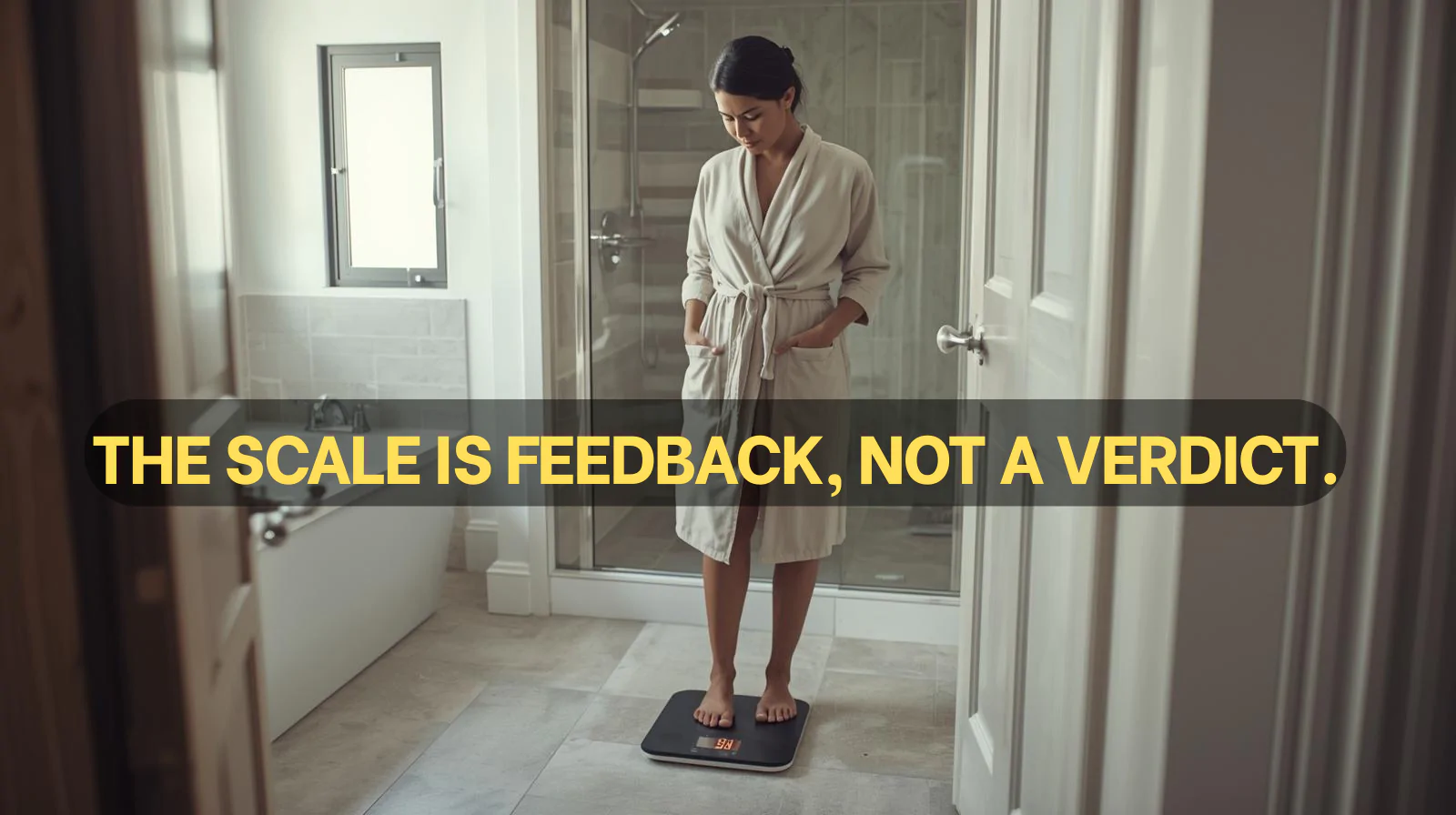
GLP-1 medications work at multiple levels: blood sugar regulation, appetite signaling, digestion speed, insulin release, and even reward-based eating patterns. When someone stops abruptly, their body can experience:
- A sudden return of appetite
- Increased cravings
- Higher blood sugar variability
- Faster gastric emptying
- Emotional rebound eating
Research shows that rapid discontinuation is one of the strongest predictors of weight re-gain because appetite hormones spike back quickly, while lifestyle habits are still forming.
Maintenance exists to help stabilize your body, not keep you “dependent” on medication. For many patients, it is the safest and most comfortable way to transition forward.
What Is Micro-Dosing for Ozempic & Mounjaro?
Micro-dosing refers to using significantly smaller amounts of GLP-1 medication; often far lower than what is used during active weight loss. This is not a set universal dose; it is custom to each patient.
How Micro-Dosing Works
Micro-dosing helps patients:
- Maintain appetite control
- Ease off the medication without withdrawal-like effects
- Prevent sudden spikes in cravings
- Reduce the risk of weight regain
This approach is often used when a patient has finished losing weight but wants structured support during the transition.
When Providers Recommend Micro-Dosing
A GLP-1 provider may suggest micro-dosing when:
- You’ve reached your goal weight
- You feel ready to lower medication
- You’re experiencing appetite fluctuations
- You want to transition off GLP-1 slowly
- Insurance or cost changes require a dosage shift
- You plateau but don’t need full therapeutic dosing
It is a middle path—not quitting cold turkey, not staying on full dose.
Benefits of Micro-Dosing After Weight Loss

1. Reduced Appetite Rebound
Micro-dosing smooths hormonal fluctuations so hunger doesn’t come back all at once.
2. Gentler Transition for the Digestive System
GLP-1s slow gastric emptying; micro-dosing resets this gradually.
3. Emotional Stability
Patients often report fewer episodes of panic-eating or “food noise.”
4. Lower Side Effects
Nausea and GI symptoms are typically minimal at micro-dose levels.
5. Easier Weight Stabilization
Maintaining can be harder than losing, micro-dosing is a supportive tool.
Ozempic Maintenance Dose vs. Mounjaro Maintenance Dose
Though both are GLP-1 medications, they work slightly differently:
- Ozempic (semaglutide) works mainly on GLP-1 receptors.
- Mounjaro (tirzepatide) works on both GLP-1 and GIP receptors.
Because of this, maintenance strategies differ slightly.
Ozempic Maintenance Dose
Patients often require:
- A lower dose than their peak therapeutic level
- A slower taper schedule
- Support with appetite management
Mounjaro Maintenance Dose
Because of its dual-hormone mechani
m, some patients may transition differently and may require:
- Slightly longer stability periods
- Adjustments based on insulin/blood sugar response
Important: Maintenance dose is individualized. There is no universal dosage chart, which is why medical supervision is essential.
What Happens If You Stop Ozempic or Mounjaro Suddenly?
Stopping abruptly can lead to several challenges:
1. Weight Regain Risk Increases
Studies published in medical journals show that many people regain a portion of their lost weight when stopping quickly without a plan.
2. Return of Cravings
Appetite-regulating hormones surge back quickly.
3. Blood Sugar Variability
Particularly important for prediabetic or diabetic patients.
4. Mood Shifts & Emotional Eating
Patients often describe this as “food noise coming back overnight.”
Why a Supervised Taper Matters
A structured GLP-1 maintenance plan (with micro-dosing) helps reduce these effects significantly.
Pros & Cons of GLP-1 Maintenance & Micro-Dosing
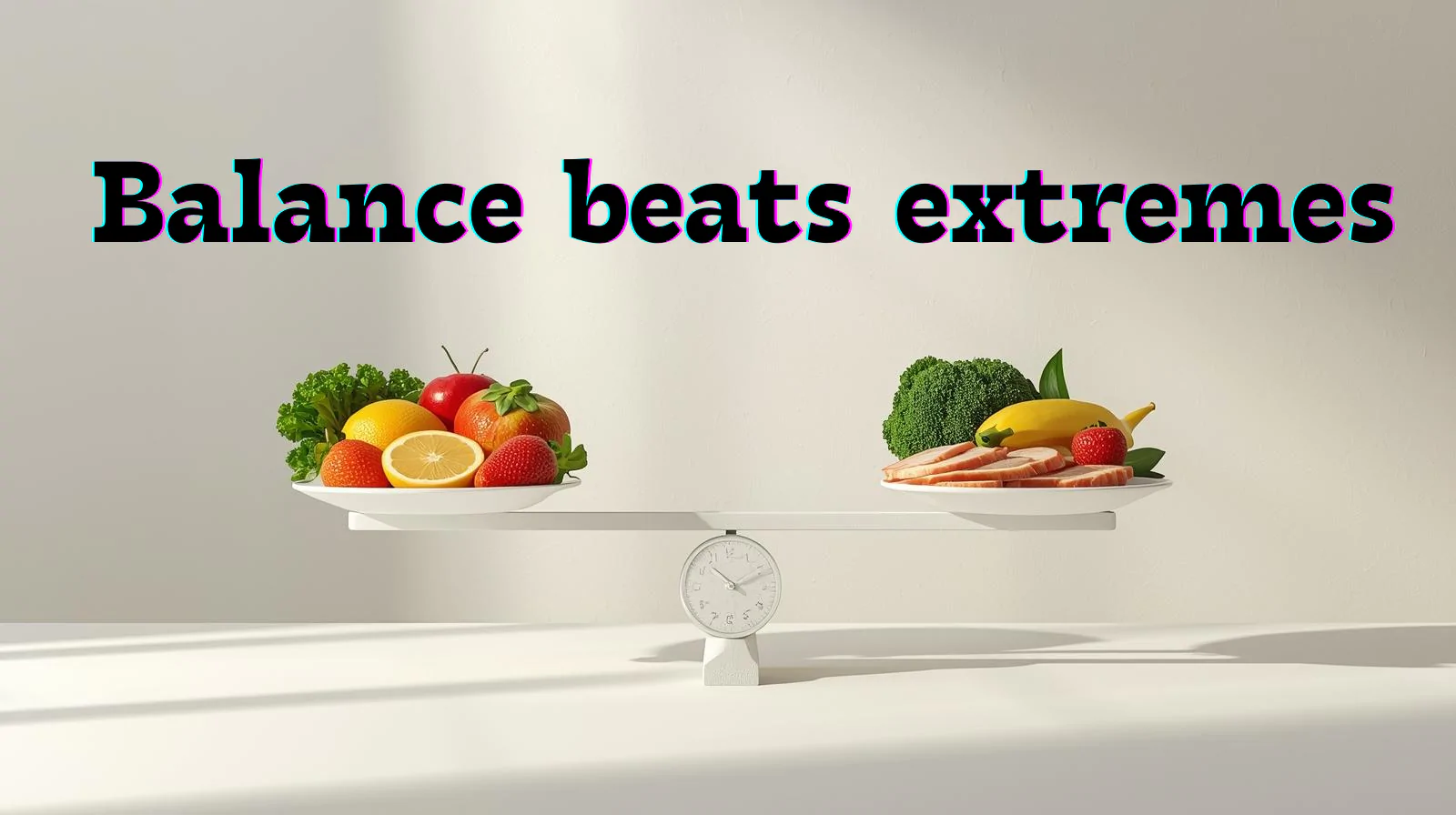
Pros
✔ Helps sustain weight loss
✔ Lower hunger levels
✔ Reduced risk of regain
✔ Supports habit formation
✔ Better long-term outcomes
Cons/ Considerations
>Not necessary for everyone
>Requires medical oversight
>May have mild side effects
>Insurance may not cover low doses
Who Is a Good Candidate for GLP-1 Maintenance?
You may benefit from maintenance if you:
- Live an active lifestyle but still struggle with appetite cues.
- Want to stabilize your weight after GLP-1 success.
- Feel anxious about stopping medication.
- Have regained weight in the past after dieting.
- Want predictable transitions rather than sudden changes.
What to Expect in a GLP-1 Maintenance Consultation?
At clinics like LA VIE MD, a maintenance consultation includes:
- Body composition and metabolic review.
- Understanding your appetite patterns.
- Determining whether micro-dosing is right for you.
- Lifestyle, exercise, and nutrition support.
- A taper plan tailored to your goals.
- Continuous monitoring to ensure comfort and progress.
Californians often juggle busy, wellness-focused lifestyles, making gradual and supportive weight maintenance plans especially helpful.
How LA ViE MD Supports Your GLP-1 Journey?
We help you transition smoothly with:
- Medical supervision.
- Personalized micro-dose strategies.
- Supplements and nutrition guidance.
- Appetite and metabolic monitoring.
- Long-term lifestyle planning.
You don’t have to guess your way through this phase, we guide you step by step.
Conclusion

GLP-1 maintenance isn’t about staying on medication forever, it’s about protecting the progress you’ve worked for. Whether you’re using Ozempic, or Mounjaro, micro-dosing and supervised tapering can help you transition safely into long-term weight stabilization.
If you’re unsure how to move forward, or if you’re noticing hunger returning, weight fluctuations, or anxiety about stopping.
You don’t have to navigate the maintenance phase alone.
Book your GLP-1 maintenance consultation at LA VIE MD today.
Personalized. Safe. California-approved wellness care.
FAQs
1. What is GLP-1 maintenance?
GLP-1 maintenance refers to the phase after active weight loss when medication dosing is adjusted to help stabilize appetite, metabolism, and weight. Instead of continuing full therapeutic doses, many patients transition to lower or maintenance doses under medical supervision.
2. What is a GLP-1 maintenance dose?
A GLP-1 maintenance dose is a reduced or adjusted dose used after weight loss to help prevent rapid appetite return and weight regain. The exact dose varies from person to person and should always be determined by a healthcare provider.
3. What is micro-dosing with Ozempic or Mounjaro?
Micro-dosing involves using smaller-than-standard doses of GLP-1 medications like Ozempic or Mounjaro. This approach may help ease the transition after weight loss while continuing to support appetite control and metabolic balance.
4. Can micro-dosing help prevent weight regain?
For some patients, micro-dosing may help reduce the risk of weight regain by minimizing sudden changes in appetite and hunger signals. However, results vary, and lifestyle habits and medical guidance play an important role.
5. Is it safe to stop Ozempic or Mounjaro suddenly?
Stopping GLP-1 medications suddenly may increase the risk of appetite rebound and weight regain. Many providers recommend a gradual taper or maintenance phase to support a smoother transition, but individual recommendations vary.
6. How long do people stay on GLP-1 maintenance?
There is no universal timeline. Some patients use a maintenance plan for a few months, while others may need longer support depending on their goals, response to medication, and overall health. A provider can help determine the right approach.
7. What is the difference between Ozempic and Mounjaro maintenance dosing?
Ozempic and Mounjaro work through different mechanisms, which means maintenance strategies may differ. Some patients respond well to lower doses sooner, while others may require gradual adjustments over time.
8. Who is a good candidate for GLP-1 maintenance?
GLP-1 maintenance may be helpful for individuals who have reached their goal weight, are concerned about weight regain, or want a structured plan when tapering off medication. A consultation can determine whether it’s appropriate.
9. Do I need to stay on GLP-1 medication forever?
Not necessarily. Many patients use GLP-1 medications temporarily and transition off with medical guidance. Maintenance and micro-dosing are tools to support long-term success, not permanent requirements.
10. Should GLP-1 maintenance be medically supervised?
Yes. Any changes to GLP-1 dosing, including maintenance or micro-dosing, should be done under medical supervision to ensure safety, effectiveness, and personalized care.

