

PRP Treatment for Hair Restoration : Reason To Start Early.
Hair loss rarely starts with panic. It usually begins with something small. A drain that needs cleaning more often. A parting that feels wider than it used to. A photo where the lighting suddenly feels unfair. Most people notice these changes quietly, long before they mention them out loud. And even then, the advice they hear is usually the same: “Wait. See how it goes.” But hair loss doesn’t work that way. It doesn’t pause just because you’re watching it. What does make a difference is timing. And consistency. And doing something before the follicles give up completely.
That’s where PRP for hair restoration fits in. Not as a miracle. Not as a promise. But as support, for hair that’s thinning, stressed, and still trying to survive. Because confidence, like hair, rarely comes back overnight. It happens quietly. Slowly. Most of the time, before anyone else is paying attention.
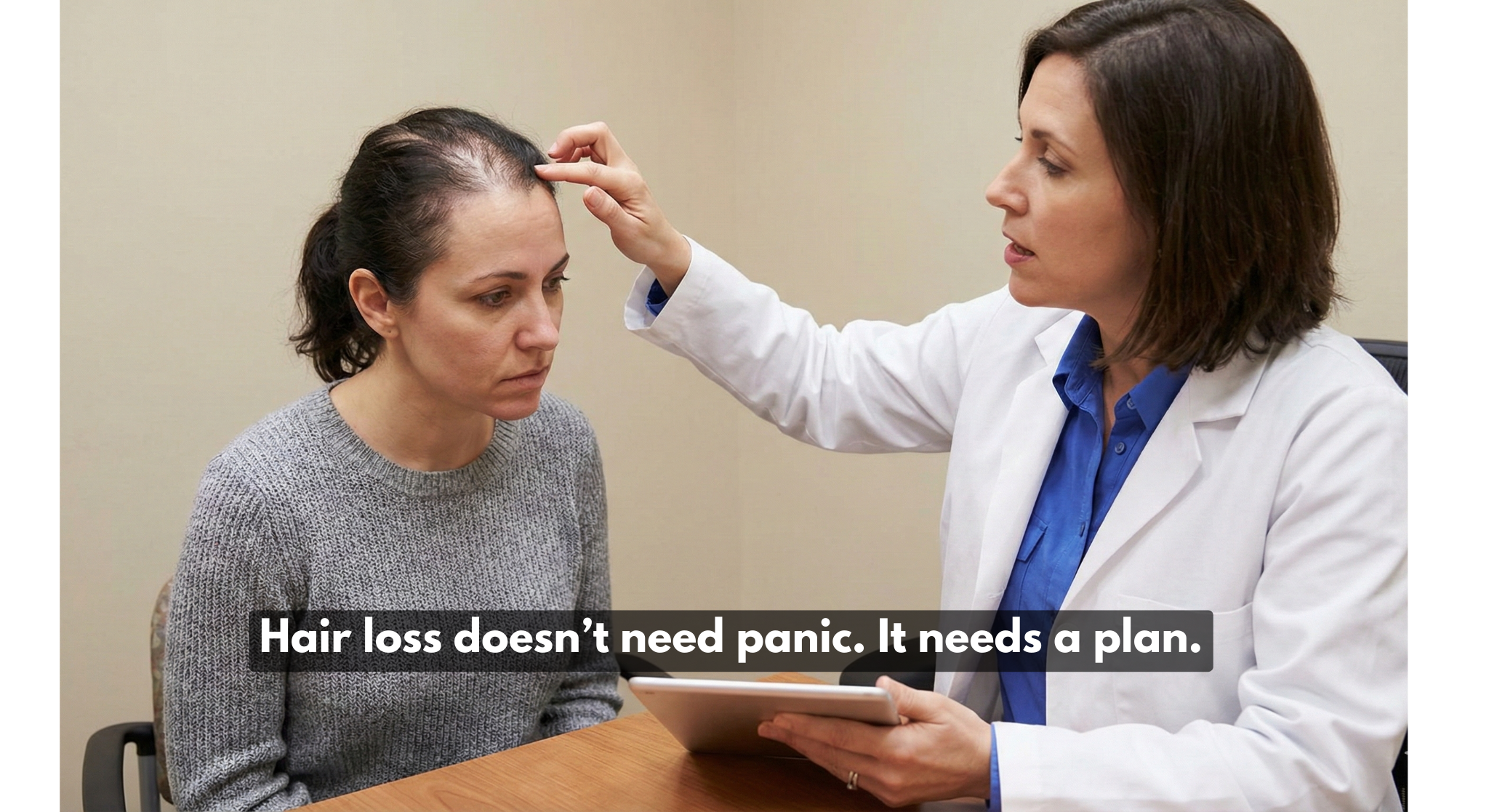
What Exactly is PRP For Hair Restoration?
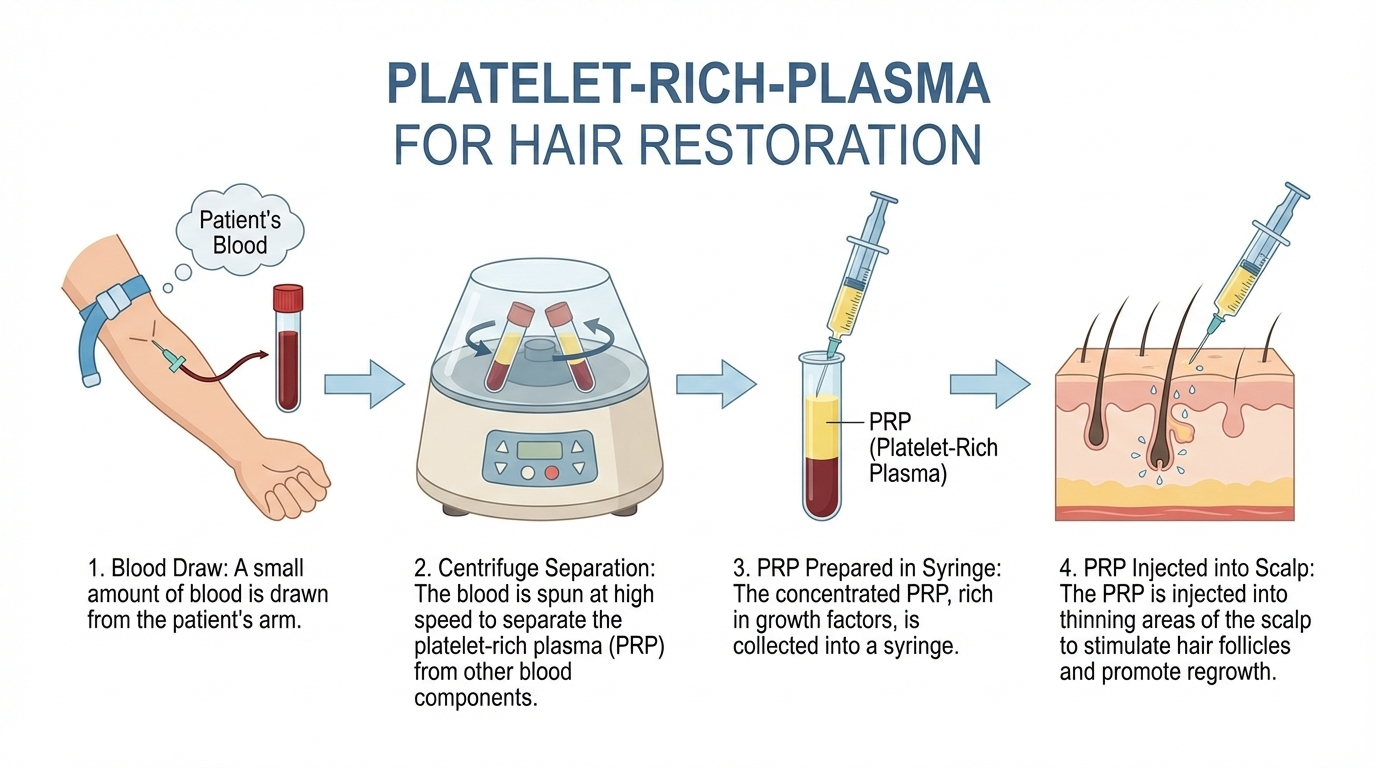
PRP is short for Platelet-Rich Plasma. In simple terms, it’s taken from your own blood, just processed in a way that concentrates the platelets your body already uses for repair. Platelets carry growth factors. These are the same signals your body relies on when it’s trying to heal an injury or recover from stress. During treatment, a small blood sample is taken and processed in a centrifuge. This step separates the platelet-rich portion, which is then injected into areas of the scalp where hair has started to thin. The idea is much simpler than most people expect. It’s about helping follicles that are still there, but not performing the way they used to.
Research shows PRP can be helpful for people with androgenetic alopecia, particularly when treatment begins early and sessions are spaced and followed properly. One reason many people feel comfortable choosing PRP is that it works alongside the body rather than trying to override it. There’s no foreign substance involved in PRP for hair loss and no synthetic drug trying to force a result.
How PRP for Hair Loss Works Over Time ?
PRP for hair loss treatment isn’t a one-session solution. Hair growth isn’t constant, Some hairs are growing, some are resting, and others are on their way out, all at the same time. PRP is thought to help follicles stay in the growth phase longer and function a bit more effectively while they’re active. That’s why PRP for hair restoration is done over multiple sessions, usually spaced a few weeks apart. Each session supports a different group of follicles as they move through their natural cycle. Nothing is forced. Nothing happens overnight. Hair tends to respond better when it’s given time, rather than being rushed.
Why Starting Early Often Makes Things Easier ?PRP for hair loss treatment works best when follicles are still present. If an area has been smooth and bald for a long time, PRP by itself usually won’t do much. But when hair is thinning, weakening, or shedding more than usual, PRP treatment can help slow progression and, in some cases, improve density and texture. Starting early isn’t about panic. It’s simply about keeping more options on the table. Once follicles shut down completely, there’s very little left to work with.
7 Reasons People Choose PRP For Hair Restoration Early
- It Works With Existing Follicles – PRP supports follicles that are still alive. Once they’ve been inactive for too long, they stop responding. Treating thinning hair early gives growth factors something to work with.
- It Uses Your Own Blood – Since PRP comes from your own blood, allergic reactions are very uncommon. For people who are cautious about long-term medications, this is often reassuring.
- Changes Appear Gradually – PRP treatment doesn’t create dramatic overnight results. Any improvement usually shows up slowly, which is why it tends to look natural. Hair appears fuller, not “treated.”
- There’s Little Disruption to Daily Life – PRP sessions are done in-clinic and don’t usually take very long, often under an hour. Mild soreness or redness can happen, but most people return to their routine the same day.
- It Can Be Part of a Bigger Plan – PRP treatment doesn’t have to replace other treatments. In practice, many clinicians use PRP alongside topical treatments, medications, or even after hair transplants to support better overall results.
- Side Effects Are Usually Mild – Most people report some temporary tenderness, mild swelling, or minor irritation afterward. Serious complications are uncommon when the PRP procedure is done properly.
- It Gives People a Sense of Control – Hair loss often feels out of your control, like it’s happening whether you agree with it or not. PRP changes that dynamic. Even modest improvements can help ease anxiety by turning waiting into action.
What a PRP For Hair Treatment Session Looks Like ?
A typical session involves: A brief blood draw , Processing the blood to isolate platelet-rich plasma , Small injections into targeted areas of the scalp . Discomfort is usually manageable, and many clinics offer numbing options. The entire appointment is often completed within an hour.
When Results Usually Start to Show ? PRP requires patience. Many people begin to notice less shedding or subtle changes in hair texture somewhere around the three- to six-month mark. Studies on PRP for androgenetic alopecia often look at results in similar timeframes, noting improvements in hair density compared to baseline. Not everyone responds the same way ,Some see clear improvement ,Some notice subtle changes , A small percentage see very little difference. That’s why having an honest consultation and clear expectations makes a real difference.
Frequently Asked Questions About PRP Treatment
Full form of PRP
Full form for PRP is “Platelet Rich Plasma”
Does PRP For hair Restoration treatment hurt?
Most people describe it as mild pinching or pressure rather than real pain. Numbing can make it more comfortable.
Is PRP Treatment safe?
When done by trained professionals, PRP is generally considered safe, with side effects that are usually short-lived.
How many sessions are needed?
Many protocols start with three to four sessions, followed by maintenance treatments depending on response.
Can PRP For Hair loss fully regrow hair?
PRP doesn’t create new follicles. It supports existing ones and works best for thinning hair.
Is PRP treatment better than medication?
They do different things. Some people use PRP alone, others combine it with medication for a more comprehensive approach.
Signing Off
Hair loss doesn’t require panic. It requires clarity and timely care. When you understand what’s happening and act early, you give yourself more options and better long-term results.
PRP hair restoration is not about chasing perfection or promising unrealistic regrowth overnight. It’s a supportive approach designed to strengthen existing follicles, improve scalp health, and help slow the progression of thinning hair. It’s for people who want to protect what they still have, improve overall density where possible, and feel more confident in the way their hair looks and feels.
Progress with PRP treatment happens gradually, often beneath the surface first through reduced shedding, improved texture, and stronger growth patterns over time. And because the results develop naturally, they rarely look obvious or “treated.” They simply look like healthier hair. And when people finally begin to notice, you won’t need to explain what changed . You’ll just look refreshed like yourself again.

