Loose Skin After Medical Weight Loss: What Actually Works
Loose skin tightening refers to medical and cosmetic procedures designed to reduce excess skin that persists after significant weight loss by stimulating collagen remodeling, mechanically removing tissue, or both. When patients lose 50, 100, or even 150 pounds—whether through bariatric surgery, GLP-1 medications like semaglutide, or structured diet and exercise programs—the skin that once stretched to accommodate a larger body often fails to contract fully. This happens because rapid or substantial fat reduction outpaces the skin’s ability to produce new collagen and elastin fibers, the structural proteins responsible for firmness and elasticity.
Understanding what actually works to address loose skin after weight loss requires separating evidence-based interventions from unsupported claims. No topical cream or supplement has been clinically proven to reverse moderate to severe skin laxity. Natural improvement can occur over 12 to 24 months as residual inflammation subsides and minor remodeling takes place, but significant sagging typically demands professional intervention. According to WebMD on loose skin causes, factors including age at the time of weight loss, total pounds lost, speed of weight reduction, genetics, sun exposure history, and smoking status all influence final skin quality.
This guide examines surgical body contouring procedures, non-invasive skin tightening technologies, realistic timelines for improvement, and the biological reasons skin loses elasticity. Patients throughout the Bay Area—from Danville to Dublin, Los Gatos to Livermore—seek clarity on which treatments deliver measurable results and which fall short. The following sections provide that clarity using peer-reviewed research, published clinical protocols, and transparent discussion of recovery, cost, and candidacy.

Why Loose Skin Happens After Weight Loss

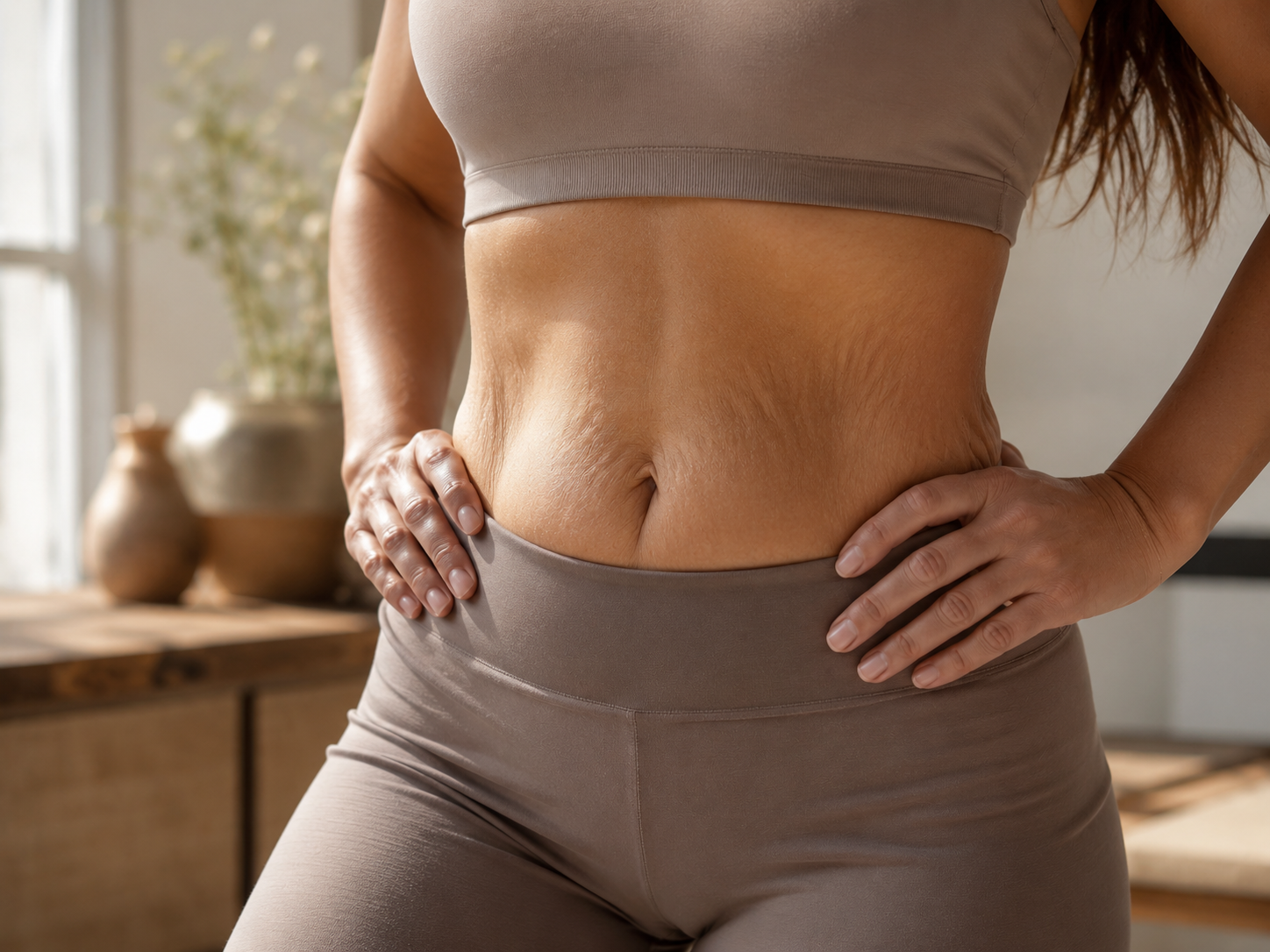
Skin consists of three layers: the outermost epidermis, the middle dermis rich in collagen and elastin, and the deeper subcutaneous fat layer. When body weight increases gradually, dermal fibroblasts produce additional collagen and elastin to accommodate expanding tissue. During prolonged obesity, however, chronic mechanical stretching and inflammation damage these structural proteins. Collagen fibers become disorganized, elastin breaks down, and the extracellular matrix weakens. When fat cells shrink rapidly—especially after bariatric procedures or pharmacologic weight loss—the dermis cannot regenerate supportive architecture quickly enough to match the new, smaller body contour.
Age plays a critical role in skin recovery. Younger patients retain higher baseline fibroblast activity and better vascular supply to the dermis, allowing modest natural tightening over 18 to 24 months. After age 40, collagen synthesis declines approximately 1 percent per year, and elastin degradation accelerates. According to NIH skin elasticity research, cumulative ultraviolet exposure further cross-links collagen fibers, reducing their ability to recoil. Smoking constricts dermal capillaries and depletes vitamin C needed for collagen hydroxylation, compounding laxity. Genetics determine baseline skin thickness and elasticity; individuals with naturally thin dermis or low elastin density face greater risk of persistent sagging regardless of weight loss method.
The speed and magnitude of weight reduction also matter. Losing 100 pounds over 12 months via sleeve gastrectomy or GLP-1 therapy gives skin less time to adapt than losing the same amount over three years through caloric restriction and exercise. Larger total losses—especially exceeding 50 percent of initial body weight—overwhelm the dermis’s regenerative capacity. Areas subjected to greatest mechanical stress during obesity, such as the abdomen, upper arms, inner thighs, and breasts, show the most pronounced laxity post-weight loss. Understanding these mechanisms helps patients set realistic expectations and choose appropriate interventions.
Surgical Options for Body Contouring and Loose Skin Removal
Body contouring surgery remains the only definitive method to remove large volumes of excess skin after massive weight loss. Abdominoplasty, commonly called a tummy tuck, excises redundant abdominal skin and tightens rectus abdominis muscles separated during obesity or pregnancy. Surgeons make a horizontal incision above the pubic area, remove skin and subcutaneous tissue en bloc, reposition the umbilicus, and close with layered sutures. Extended or circumferential abdominoplasty addresses laxity extending around the flanks and lower back. Recovery typically requires two to four weeks off work, six weeks without strenuous activity, and three to six months for final contour to emerge as swelling resolves.
Brachioplasty targets loose skin on the upper arms, removing a wedge of tissue along the inner arm from elbow to axilla. The resulting scar runs along the inner arm and can be conspicuous, but most patients prioritize functional improvement and clothing fit over scar visibility. Thigh lift procedures—medial, lateral, or circumferential—excise inner or outer thigh laxity. Breast lift (mastopexy) reshapes sagging breast tissue by removing inferior skin and repositioning the nipple-areola complex higher on the chest wall. Lower body lift combines abdominoplasty with buttock and lateral thigh contouring in a single circumferential procedure, often performed in stages to limit operative time and blood loss.
Candidacy for body contouring requires stable weight for at least six months, ideally 12 to 18 months post-weight loss. Body mass index should be below 32, though some surgeons accept higher BMI if comorbidities are controlled. Patients must be nonsmokers or commit to cessation four weeks before and after surgery, as nicotine dramatically increases wound complications. Realistic expectations are essential: surgery improves contour and removes mechanical burden but leaves permanent scars and cannot restore skin to pre-obesity quality. Costs range from $8,000 for isolated brachioplasty to $25,000 or more for staged lower body lift, rarely covered by insurance despite functional benefits. For patients across the Bay Area considering these procedures, consultation with a board-certified plastic surgeon experienced in post-bariatric reconstruction is critical.
Non-Surgical Skin Tightening Technologies
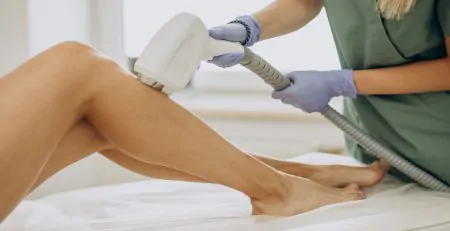
Radiofrequency skin tightening uses electromagnetic energy to heat dermal collagen to 55 to 65 degrees Celsius, triggering immediate collagen contraction and delayed neocollagenesis over three to six months. Devices deliver energy via monopolar, bipolar, or multipolar electrodes, with or without microneedling to enhance dermal penetration. Treatment sessions last 30 to 60 minutes, cause mild discomfort managed with topical anesthesia, and require no downtime. Patients typically undergo three to five sessions spaced four to six weeks apart. Improvement is gradual and modest—appropriate for mild to moderate laxity but insufficient for severe skin excess.
Microfocused ultrasound with visualization targets specific dermal and subdermal layers with thermal coagulation points, stimulating collagen remodeling without damaging the epidermis. The procedure can treat brow, neck, and décolletage laxity. Results appear over two to three months as new collagen forms. A single treatment may suffice for mild concerns, though some patients benefit from annual maintenance. Discomfort during treatment is moderate; transient redness and swelling resolve within days. Clinical studies demonstrate measurable lift in approximately 60 to 70 percent of appropriately selected patients, but outcomes in post-massive-weight-loss skin are less predictable due to depleted dermal infrastructure.
Microneedling creates controlled microchannels in the dermis, inducing wound-healing cascades that produce new collagen and elastin. Combining microneedling with radiofrequency energy (fractional RF microneedling) enhances thermal stimulation while protecting the epidermis. According to Healthline treatment options, these non-invasive methods work best for patients with good skin quality, minimal excess tissue, and realistic expectations. None replicate the dramatic, immediate results of surgical excision. Costs per treatment session range from $400 to $1,500 depending on technology and treatment area. Patients considering non-surgical skin tightening should seek experienced medical providers who routinely perform energy-based skin tightening treatments and can determine whether non-invasive approaches are appropriate based on the severity of skin laxity.
Non-surgical skin tightening is generally best suited for patients with mild to moderate skin laxity who want gradual improvement without surgery or extended downtime. While these treatments stimulate collagen remodeling and can improve firmness, they cannot remove large amounts of excess skin. Patients with severe skin laxity after substantial weight loss should have realistic expectations about what non-invasive treatments can achieve.
Natural Remedies and Lifestyle Measures for Skin Tightening After Weight Loss
No topical cream, oral supplement, or exercise routine can reverse established skin laxity after major weight loss, but certain lifestyle measures support dermal health and may modestly improve appearance over time. Resistance training builds muscle mass beneath loose skin, creating a fuller contour that partially camouflages sagging. Compound movements—squats, deadlifts, rows, presses—stimulate hypertrophy in large muscle groups. Progressive overload with adequate protein intake (1.6 to 2.2 grams per kilogram body weight daily) maximizes muscle gain. While muscle cannot eliminate excess skin, increased tissue volume can reduce the visual prominence of folds and draping.
Adequate hydration maintains dermal turgor and supports fibroblast function. Chronic dehydration impairs extracellular matrix synthesis and reduces skin pliability. Consuming sufficient water—approximately 35 milliliters per kilogram body weight daily—optimizes conditions for collagen remodeling. Dietary protein provides amino acids essential for collagen synthesis: glycine, proline, and lysine. Vitamin C acts as a cofactor for prolyl and lysyl hydroxylase enzymes required for stable collagen triple helix formation. Copper and zinc support lysyl oxidase, which cross-links collagen and elastin fibers. A balanced diet rich in lean protein, colorful vegetables, and whole grains delivers these micronutrients without need for supplementation in most individuals.
Sun protection prevents further collagen degradation. Daily broad-spectrum sunscreen with SPF 30 or higher, protective clothing, and avoidance of peak UV hours reduce photoaging that compounds existing laxity. Smoking cessation is non-negotiable for anyone hoping to improve skin quality; nicotine constricts blood vessels, depletes vitamin C, and inhibits fibroblast proliferation. Patience is essential: natural skin tightening occurs slowly over 12 to 24 months as residual subcutaneous edema resolves and minor collagen remodeling takes place. Patients with significant loose skin should understand that while non-surgical skin tightening may improve skin firmness in appropriate candidates, severe excess skin often cannot be corrected without surgery.
Timeline for Skin Tightening Naturally and With Treatment
Natural skin retraction after weight loss follows a predictable but limited timeline. During the first three to six months post-weight stabilization, subcutaneous edema and inflammation gradually subside. The skin may appear slightly firmer as interstitial fluid clears, but this reflects reduced swelling rather than true collagen regeneration. Between six and 18 months, fibroblasts synthesize new collagen in response to mechanical remodeling signals. Improvement is most noticeable in younger patients with good baseline skin quality, smaller total weight loss, and slower reduction pace. By 18 to 24 months, dermal remodeling plateaus. Any laxity persisting beyond two years is unlikely to resolve without intervention.
Non-surgical skin tightening treatments require multiple sessions and patience. Radiofrequency skin tightening protocols typically involve three to five treatments spaced four to six weeks apart. Initial collagen contraction may produce subtle improvement within days, but peak results emerge three to six months after the final session as neocollagenesis matures. Maintenance treatments every 12 to 18 months help sustain outcomes. Microfocused ultrasound delivers results over two to three months following a single treatment, with some patients opting for annual touch-ups. Microneedling combined with radiofrequency often requires three to four sessions at monthly intervals, with gradual tightening visible over the following three to four months.
Surgical body contouring offers the fastest timeline from intervention to final result, though recovery is substantive. Post-operative swelling peaks at 48 to 72 hours, then diminishes over six weeks. Patients return to desk work within two to three weeks and resume full activity at six to eight weeks. Incision lines mature over 12 to 18 months, fading from red to pale white. Final contour stabilizes at three to six months once all swelling resolves and tissues settle. According to Mayo Clinic professional guidance, realistic expectations and adherence to post-operative instructions—compression garments, activity restrictions, scar care—optimize outcomes. Understanding these timelines helps patients plan treatment around work, family, and personal commitments while maintaining realistic expectations for recovery and results.
Factors That Determine Loose Skin Severity and Treatment Candidacy

Total weight lost is the single strongest predictor of loose skin severity. Patients who lose 50 to 75 pounds often experience mild to moderate laxity amenable to non-surgical tightening or targeted surgical excision. Those losing 100 pounds or more—common after bariatric surgery or prolonged GLP-1 therapy—frequently develop severe, circumferential excess skin requiring staged body contouring. The percentage of body weight lost also matters: a 300-pound individual losing 100 pounds (33 percent) may fare better than a 200-pound person losing the same absolute amount (50 percent), as the dermis stretches less initially.
Age at the time of weight loss profoundly affects skin retraction. Patients in their twenties and thirties retain higher fibroblast density, better dermal vascularity, and more robust collagen turnover, allowing modest natural tightening. After age 40, declining estrogen (in women) and testosterone (in men) reduce dermal thickness and elasticity. Cumulative sun exposure, smoking history, and genetic factors compound age-related changes. Individuals with naturally thick, elastic skin—often those of African, Hispanic, or Mediterranean descent—may experience better retraction than those with thin, fair skin prone to photoaging, though individual variation is substantial.
Speed of weight loss influences dermal adaptation. Rapid reduction—greater than two pounds per week sustained over months—outpaces collagen remodeling. Slower, steady loss allows incremental dermal contraction. Duration of obesity before weight loss also matters: skin stretched for decades undergoes irreversible changes in collagen cross-linking and elastin fragmentation that preclude full recovery. Prior pregnancies, especially multiple gestations, further compromise abdominal wall integrity. Smoking history, chronic illness, and nutritional deficiencies (protein, vitamin C, zinc) impair wound healing and collagen synthesis, increasing surgical risk and compromising non-surgical outcomes. These factors help determine whether non-surgical skin tightening is likely to provide meaningful improvement or whether surgery is generally considered the more effective treatment for severe skin laxity.
Cost and Recovery Expectations for Loose Skin Tightening Procedures
Body contouring surgery costs vary widely based on procedure complexity, geographic location, surgeon experience, and facility fees. Abdominoplasty typically ranges from $9,000 to $15,000. Brachioplasty costs $6,000 to $10,000. Medial thigh lift averages $8,000 to $12,000. Lower body lift, often performed in stages, can exceed $20,000 to $30,000 total. These figures include surgeon fees, anesthesia, operating room charges, and garments but exclude pre-operative labs, imaging, or post-operative medications. Insurance rarely covers body contouring deemed cosmetic, though documentation of recurrent rashes, skin infections, or functional impairment may support medical necessity appeals.
Recovery from surgical loose skin removal demands time and planning. Abdominoplasty requires two to four weeks off work for most patients, longer for physically demanding jobs. Drains remain in place for one to two weeks. Compression garments are worn continuously for six weeks, then intermittently for an additional six weeks. Patients avoid lifting over 10 pounds and refrain from core-engaging exercise for six to eight weeks. Brachioplasty and thigh lift recoveries are similar in duration, with arm or leg elevation and limited range of motion in early post-operative days. Staged procedures—such as upper body contouring followed by lower body lift six to 12 months later—extend total recovery but reduce operative risk and improve cosmetic outcomes.
Non-surgical skin tightening procedures involve minimal downtime but require realistic cost-benefit assessment. A series of three radiofrequency treatments averages $1,500 to $3,000 total. Microfocused ultrasound ranges from $2,000 to $4,000 per session. Fractional RF microneedling costs $800 to $1,500 per treatment, with three to four sessions recommended. Results are incremental, not transformative, and maintenance is ongoing. Patients must weigh these cumulative costs against surgical options that deliver definitive, one-time improvement. Choosing between surgical and non-surgical treatment depends on the amount of excess skin, overall skin quality, desired results, recovery preferences, and budget. Understanding the strengths and limitations of each option helps patients make informed decisions.
Frequently Asked Questions (FAQs)
Does loose skin go away on its own after weight loss?
Loose skin may improve modestly over 12 to 24 months as residual inflammation subsides and minor collagen remodeling occurs, but significant sagging rarely resolves without intervention. Younger patients with smaller weight loss, slower reduction pace, and good baseline skin quality experience the most natural tightening. Beyond two years post-weight stabilization, further spontaneous improvement is unlikely.
What is the most effective treatment for loose skin after weight loss?
Surgical excision remains the most effective treatment for moderate to severe loose skin after weight loss. Procedures such as abdominoplasty, brachioplasty, and thigh lift definitively remove excess tissue and recontour the body. Non-surgical options like radiofrequency skin tightening and microfocused ultrasound provide modest improvement for mild laxity but cannot replicate surgical results. Treatment choice depends on severity, patient goals, and candidacy.
Can non-surgical treatments tighten loose skin?
Non-surgical treatments including radiofrequency skin tightening, microfocused ultrasound, and fractional RF microneedling can produce mild to moderate tightening by stimulating collagen remodeling. Results are gradual, appearing over three to six months, and work best for patients with good skin quality and realistic expectations. These modalities cannot address severe laxity or remove substantial excess tissue, which requires surgical intervention.
How much weight loss causes loose skin?
Loose skin risk increases significantly after losing 50 pounds or more, especially if reduction occurs rapidly or in older patients. Losing 100 pounds or greater commonly results in severe, circumferential laxity. The percentage of total body weight lost, speed of reduction, age, genetics, and baseline skin quality all influence severity. Individual variation is substantial, and some patients develop noticeable laxity after smaller losses.
Can you prevent loose skin during weight loss?
Preventing loose skin entirely is not possible when losing large amounts of weight, but certain strategies may reduce severity. Gradual weight loss at one to two pounds per week allows incremental skin retraction. Resistance training builds muscle to fill underlying contour. Adequate protein, hydration, and micronutrients support collagen synthesis. Sun protection and smoking cessation preserve dermal health. Despite these measures, substantial weight loss typically results in some degree of laxity requiring professional treatment.
Medical Disclaimer: This content is for educational purposes only and is not a substitute for personalized medical advice. Individual results vary. Schedule a consultation with Dr. Neetu Nebhwani at LA ViE MD to determine the best treatment for your skin or wellness goals.