Ozempic & Weight Loss: What to Expect After 3, 6, and 12 Months
✓ Medically reviewed by Dr. Neetu Nebhwani, MD — Board-Certified Internal Medicine, Medical Director, LA ViE MD
Last updated: September 10, 2026 · Fact-checked against 2026 clinical trial data (STEP program, SURMOUNT-5, SHAPE)
Weight loss is rarely a straight path. Many people struggle to achieve sustainable results with diet and exercise alone, especially when metabolic conditions like type 2 diabetes are involved. Ozempic has emerged as a promising option for individuals seeking medically supported weight loss and improved metabolic health.
Understanding how Ozempic works and what realistic results look like over time is key to setting expectations and staying motivated. In this guide, we break down the Ozempic weight loss timeline, explain how the medication works, outline results at 3, 6, and 12 months, and share tips to maximize long-term success.
Overview of Ozempic
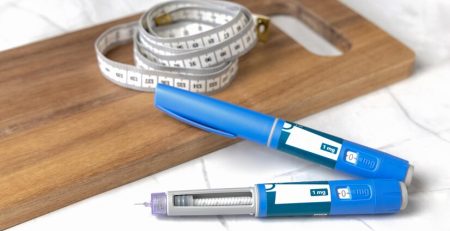
Ozempic is a once-weekly injectable medication originally developed to manage blood sugar levels in people with type 2 diabetes. Its active ingredient, semaglutide, has also demonstrated significant effectiveness for weight loss, making it widely used off-label and in related formulations for obesity management.
Semaglutide works by mimicking a naturally occurring hormone that regulates appetite and food intake. By reducing hunger and helping people feel full longer, Ozempic supports gradual, sustained weight loss when combined with healthy lifestyle changes.
The 6-Week Ozempic Weight Loss Timeline: Week-by-Week Milestones
The 6-week Ozempic timeline is one of the most-searched weight loss timelines in 2026 because it captures the critical early adaptation phase — when your body adjusts to semaglutide and initial results begin to show.
Here is a realistic 6-week Ozempic weight loss timeline based on clinical trial and real-world data:
- Week 1 (starter dose 0.25 mg): Reduced appetite typically noticed within 3-7 days. Mild nausea or GI symptoms common during adjustment. Weight loss typically minimal (0-2 lbs).
- Week 2 (still 0.25 mg): Appetite suppression stabilizes. Portion sizes naturally decrease. Some patients notice 1-3 lbs down. Cravings for high-calorie foods often diminish.
- Week 3 (still 0.25 mg or dose increase to 0.5 mg): Body typically adapts to GI side effects. Average patient shows 2-4 lbs down from baseline.
- Week 4 (0.5 mg dose): First month milestone. Clinical data shows average 2% body weight loss by end of week 4. For a 175-lb starting weight, ~3-4 lbs. 2026 SHAPE study data confirms this pattern.
- Week 5 (0.5 mg dose): Metabolic changes become measurable. Improved energy, better sleep, reduced “food noise.” Weight loss continues at approximately 1-2 lbs per week.
- Week 6 (0.5 mg dose): Typical cumulative weight loss ranges from 3-6% of body weight. Blood sugar improvements often measurable.
6-week plan Ozempic weight loss results: what to expect
At the 6-week mark on Ozempic, most patients on the standard dose escalation schedule (0.25 mg → 0.5 mg) can expect 3-6% total body weight reduction. This aligns with the STEP program clinical trial data and 2026 real-world SHAPE study findings. Individual results vary based on starting BMI, dose tolerance, dietary adherence, and physical activity.
Why the 6-week milestone matters
Week 6 is when most patients transition from “adjustment phase” to “sustained loss phase.” If tolerable, providers typically maintain the 0.5 mg dose through week 8-12 before considering higher doses. This 6-week checkpoint is often when patients decide whether to continue, adjust the dose, or transition strategies.
For provider-supervised Ozempic programs in the Bay Area, LA ViE MD offers physician-led GLP-1 consultations at all four locations. Book your consultation.
Ozempic Weight Loss Timeline: What 2026 Clinical Data Shows Week-by-Week
Recent 2026 clinical evidence provides the clearest week-by-week picture of what to expect on semaglutide (Ozempic).
What does Ozempic do for weight loss? Ozempic (semaglutide) is a GLP-1 receptor agonist that mimics glucagon-like peptide-1, a naturally occurring hormone. It works through three mechanisms: reducing appetite by signaling fullness to the brain, slowing gastric emptying so food stays in the stomach longer, and improving insulin release. Combined, these effects reduce daily calorie intake without constant hunger — the mechanism behind sustained weight loss.
First week on Ozempic — what to expect: The starting dose is 0.25 mg weekly, chosen to help the body adjust rather than for weight loss itself. Most patients notice reduced appetite within 3–7 days. Mild nausea or GI symptoms are common during adaptation. Weight loss in week 1 is typically minimal (0–2 lbs) — the appetite reduction is the expected result, not the number on the scale.
Semaglutide before and after 1 month: Clinical data shows approximately 2% body weight loss within the first four weeks at the starter dose when combined with dietary changes. For someone starting at 175 lbs, that translates to roughly 3–4 lbs in month one. The 2026 SHAPE real-world study confirmed these timelines hold in typical clinical practice, not just controlled trials.
By 3 months (weeks 8–12): Patients typically move to 0.5 mg weekly, and average weight loss reaches 4–6% of body weight. Blood sugar improvements often become measurable at this stage. This is when most patients report clearly reduced cravings and improved portion control.
By 6 months: On the maintenance dose (typically 1 mg weekly), STEP program data shows an average 6–10% body weight reduction by this point. Body composition improvements — better waist-to-hip ratio, reduced visceral fat — become visible.
By 12 months: The STEP program’s 52-week data showed average 14–16% body weight loss at the highest tolerated dose (2.4 mg), with more than one-third of participants losing over 20%. 2026 head-to-head data from SURMOUNT-5 confirmed semaglutide reaches 13.7% average weight loss at 72 weeks, providing a durable ceiling for the medication.
Why do results vary? Starting BMI, dose escalation speed, dietary adherence, physical activity, sleep quality, alcohol intake, and underlying metabolic health all significantly affect the timeline. Two patients on identical doses can have meaningfully different outcomes.
Real-world 2026 evidence confirms Ozempic delivers meaningful, gradual weight loss when combined with lifestyle changes — clinical trial and real-world numbers now align closely.
How Ozempic Works for Weight Loss
Semaglutide belongs to a class of medications called GLP-1 receptor agonists. GLP-1 (glucagon-like peptide-1) is a hormone that plays a major role in appetite regulation and blood sugar control.
Ozempic promotes weight loss through several mechanisms:
-
Appetite suppression: It signals fullness to the brain, reducing hunger and cravings
-
Delayed gastric emptying: Food stays in the stomach longer, increasing satiety
-
Lower calorie intake: Reduced hunger naturally leads to eating less
Together, these effects make it easier to maintain a calorie deficit without constant hunger. Clinical studies consistently show that semaglutide leads to greater and more sustainable weight loss compared to many traditional weight-loss medications.
How Much Weight Can You Lose With Ozempic?
Weight loss varies depending on dosage, consistency, lifestyle habits, and individual metabolism. However, large clinical trials provide helpful benchmarks.
In the STEP clinical trial program, participants using semaglutide alongside a reduced-calorie diet and increased physical activity lost an average of 14.9% of their body weight after 68 weeks. Some participants lost more than 20%, particularly at higher doses.
Health benefits often begin with as little as 5% body weight loss, including improvements in blood pressure, cholesterol, and blood sugar control. Many people reach this milestone within the first few months of treatment.
It’s important to remember that results are not identical for everyone. Starting weight, metabolic health, diet quality, and physical activity all influence outcomes.
“The clinical trial averages are a useful benchmark, but I tell patients not to fixate on them,” says Dr. Neetu Nebhwani, MD, Medical Director of LA ViE MD. “Starting weight, metabolic health, and consistency all shift where an individual patient lands.”
How Long Can You Stay on Ozempic? Understanding Maintenance Dosing
Ozempic is generally used as a long-term treatment rather than a short course. Many providers manage weight with GLP-1 medications the same way they’d manage other chronic conditions — as an ongoing therapy rather than something with a fixed stop date.
Once a patient reaches their goal weight, the approach typically shifts from active dose escalation to a maintenance dose — often the same dose that worked well, sometimes adjusted slightly based on tolerance and goals. Staying on a maintenance dose, rather than stopping altogether, is associated with better long-term weight maintenance (see below).
There’s no universal maximum duration — decisions about how long to continue are individualized based on your goals, tolerance, and ongoing evaluation with your provider. LA ViE MD’s physician-led programs include periodic check-ins to reassess dosing as your needs change.
Can You Regain Weight After Stopping Ozempic?
Yes, weight regain is possible after stopping Ozempic—especially if healthy habits are not maintained. A study published in JAMA found that participants who discontinued semaglutide gradually regained weight over time.
Research suggests that stopping Ozempic abruptly may increase appetite and cravings. However, a 2024 study involving over 2,000 participants found that gradually tapering the dose, rather than stopping suddenly, helped many individuals maintain their weight loss.
This highlights the importance of long-term planning. Sustainable weight management depends on lifestyle changes, behavioral support, and—when appropriate—ongoing medical supervision. At LA ViE MD, patients receive personalized maintenance strategies to support lasting results beyond medication use.
Who Is a Good Candidate for Ozempic Weight Loss?
Ozempic may be appropriate for adults who meet one or more of the following criteria:
-
BMI of 30 or higher (obesity)
-
BMI of 27 or higher with a weight-related condition, such as type 2 diabetes, high blood pressure, or sleep apnea
-
Difficulty losing weight through diet and exercise alone
A healthcare provider can evaluate whether Ozempic is safe and appropriate based on medical history, goals, and overall health.
Ozempic Weight Loss Timeline: What to Expect
Weight loss with Ozempic happens gradually. Below is a general timeline based on clinical research and real-world outcomes.
What to Expect After 3 Months on Ozempic
Most people begin noticing changes within the first few weeks. Treatment typically starts at 0.25 mg weekly, primarily to help the body adjust, before increasing to 0.5 mg.
Clinical trials show that participants lost about 2% of body weight within the first four weeks when combined with dietary changes and regular physical activity. By weeks 8–12, average weight loss reached 4–6%.
At this stage, many people experience:
-
Reduced appetite and cravings
-
Improved portion control
-
Early improvements in blood sugar levels
These early changes, while modest, are clinically meaningful and often boost motivation to continue.
What to Expect After 6 Months on Ozempic
By six months, most individuals are taking 0.5 mg to 1 mg weekly, depending on tolerance and response.
A study of adults without type 2 diabetes showed an average 6.3% body weight loss after three months, with continued progress through six months. Findings from STEP trials also support an average 6–10% reduction by this point.
By month six, many people notice:
-
Significant changes in body composition
-
Improved energy levels
-
Better metabolic markers, such as cholesterol and glucose
Consistency with nutrition and physical activity plays a major role in continued success during this phase.
What to Expect After 12 Months on Ozempic
Weight loss typically peaks around the one-year mark. In the STEP 5 trial, participants taking up to 2.4 mg of semaglutide lost an average of 14–16% of their body weight by 52 weeks, with results maintained for up to two years.
By 12 months:
-
Over one-third of participants lost more than 20% of body weight
-
Weight loss stabilized and became easier to maintain
-
Lifestyle habits played a larger role in long-term success
These results demonstrate that Ozempic can support not just short-term weight loss, but lasting metabolic improvement when paired with healthy behaviors.
How to Maximize Weight Loss on Ozempic
For best results, Ozempic should be part of a comprehensive approach:
-
Prioritize nutrition: Focus on lean protein, vegetables, whole grains, and healthy fats
-
Stay active: Aim for at least 150 minutes of moderate exercise per week
-
Hydrate consistently: Water supports digestion, metabolism, and satiety
-
Work with professionals: Medical guidance ensures safe dosing, monitoring, and long-term planning
LA ViE MD offers personalized nutrition plans, fitness guidance, and ongoing support to help patients maximize and maintain their results.
Why Am I Not Losing Weight on Ozempic? Common Causes of a Plateau
It’s common to hit a stretch where the scale doesn’t move, even while staying consistent with Ozempic. A plateau doesn’t necessarily mean the medication has stopped working — it usually means one of a few things is happening.
- You’re still early in dose escalation. At the 0.25 mg or 0.5 mg starting doses, weight loss is intentionally gradual. Most of the appetite and metabolic effects build as the dose increases over the following weeks.
- Calorie intake has crept up elsewhere. As appetite suppression becomes the new normal, it’s easy to underestimate portions or snacking — small increases can offset the calorie deficit Ozempic is helping create.
- Metabolic adaptation. The body naturally adjusts its metabolism as weight is lost, which can slow the rate of further loss even without any change in habits — this is expected physiology, not a sign the medication has failed.
- Inconsistent dosing. Skipped or delayed weekly injections reduce how steadily the medication works in the body.
- Underlying factors. Sleep quality, stress, alcohol intake, and conditions like thyroid dysfunction can all affect how much weight loss is visible even on an effective dose.
“A plateau doesn’t mean the medication has stopped working — it usually means your body is adjusting,” says Dr. Neetu Nebhwani, MD, Medical Director of LA ViE MD. “We look at dosing, habits, and timing together before assuming anything needs to change.”
If weight loss has stalled for several weeks despite consistent use, it’s worth discussing a dose adjustment or a review of habits with your provider rather than stopping treatment on your own. Book a consultation to review your plan.
Do Higher Doses of Ozempic Lead to More Weight Loss?
Research shows that higher doses generally result in greater weight loss, though tolerance varies. Dose increases should always be guided by a healthcare provider to minimize side effects and ensure safety.
“Faster isn’t always better with GLP-1s,” says Dr. Neetu Nebhwani, MD, Medical Director of LA ViE MD. “We escalate the dose gradually because it’s what keeps side effects manageable and results sustainable.”
Typical Ozempic Dosage Schedule
-
0.25 mg weekly: Initial dose for tolerance
-
0.5 mg weekly: Standard therapeutic dose
-
1 mg or higher: Adjusted based on response and goals
Gradual dose escalation helps reduce side effects such as nausea and improves adherence.
Takeaway: Personalized Ozempic Care at LA ViE MD
Ozempic can be a powerful tool for weight loss when used responsibly and supported by lifestyle changes. Understanding the Ozempic weight loss timeline helps set realistic expectations and promotes long-term success.
At LA ViE MD, patients receive individualized treatment plans, ongoing monitoring, and holistic wellness support to ensure safe, sustainable results.
Schedule your consultation today to explore whether Ozempic is right for you and take the next step toward lasting weight loss.
Sources & Clinical References
- STEP Program (semaglutide): Once-Weekly Semaglutide in Adults with Overweight or Obesity. New England Journal of Medicine. nejm.org
- SURMOUNT-5 (2026): Tirzepatide vs Semaglutide head-to-head. New England Journal of Medicine. nejm.org
- SHAPE Real-World Study (2026): Real-World Weight Loss Observed With Semaglutide and Tirzepatide. PMID 40875186
- Meta-analysis (2026): Tirzepatide Versus Semaglutide for Weight Loss: Systematic Review. PMC12263181
- Comparative effectiveness (2026): Tirzepatide and semaglutide for obesity management in US clinical practice. PMC12924827
This article was medically reviewed by Dr. Neetu Nebhwani, MD, Medical Director of LA ViE MD. Content reflects clinical evidence available as of August 2026. Individual results vary. This information is for educational purposes and does not constitute medical advice. Consult a qualified healthcare provider before starting any medication.
FAQs About Ozempic Weight Loss
Is exercise required while using Ozempic?
Exercise isn’t mandatory, but it significantly improves results and overall health.
How much weight can you lose per month on Ozempic?
Many people lose 4–12 pounds per month, depending on dose and lifestyle.
How long does it take to lose 20 pounds?
Typically 3–4 months with consistent use and healthy habits.
Can Ozempic reduce belly fat?
Yes, many patients experience a reduction in visceral and abdominal fat.
Is losing 50 pounds possible with Ozempic?
For individuals with higher starting weights, this is achievable with long-term treatment and lifestyle changes.
Why am I not losing weight on Ozempic?
A plateau is common and usually reflects dose timing, small increases in calorie intake, or normal metabolic adaptation — not treatment failure. See the plateau section above for details, and talk to your provider if it persists for several weeks.
What is the maintenance dose of Ozempic after reaching your goal weight?
Most providers keep patients on the dose that achieved their results, sometimes with a slight adjustment, rather than stopping — this is typically referred to as a maintenance phase.
How long can you stay on Ozempic?
Ozempic is generally intended for long-term use. There’s no fixed maximum duration; your provider will reassess your dose and goals periodically.
Does Ozempic really help you lose weight?
Yes — STEP program clinical trials show an average of 14.9% body weight loss after 68 weeks when combined with diet and activity changes, with some participants losing over 20%.
Ozempic Weight Loss Timeline: Frequently Asked Questions
How long does Ozempic take to work for weight loss?
Most patients notice reduced appetite within the first week of starting Ozempic, with measurable weight loss typically beginning around week 4. Clinically significant weight loss of 5% or more usually occurs between weeks 12-20 on the standard dose escalation schedule.
How much weight can you lose in 3 months on Ozempic?
Average weight loss on Ozempic at 12 weeks is 4-6% of total body weight, according to STEP program clinical data. For a 200-pound patient, that translates to approximately 8-12 pounds lost in 3 months.
What is the typical Ozempic dosing schedule?
Ozempic begins at 0.25 mg weekly for 4 weeks as a starter dose, then escalates to 0.5 mg for 4-8 weeks. Providers may increase to 1.0 mg or 2.0 mg based on patient tolerance and weight loss response.
What weight loss should I expect at 6 months on Ozempic?
Clinical trials show average weight loss of 10-13% of body weight at 6 months on the 1.0 mg or 2.0 mg dose. Real-world 2026 SHAPE study data confirms similar outcomes for physician-supervised protocols.
Does Ozempic weight loss plateau after 12 months?
Yes, most patients reach a weight loss plateau between months 12 and 15 on Ozempic. Additional loss beyond this point typically requires dose adjustment, intensified lifestyle changes, or transition to a maintenance microdosing protocol.
Can you keep the weight off after stopping Ozempic?
Research shows 60-70% of weight lost on Ozempic returns within 12 months of discontinuation without a structured maintenance plan. Physician-supervised microdosing or gradual dose tapering can help preserve results long-term.
Who should not take Ozempic for weight loss?
Ozempic is not recommended for patients with a personal or family history of medullary thyroid carcinoma, multiple endocrine neoplasia syndrome type 2 (MEN 2), or a known hypersensitivity to semaglutide. Patients who are pregnant, breastfeeding, or have severe gastrointestinal disease should also avoid it.
Medically reviewed by Dr. Neetu Nebhwani, MD, Medical Director of LA ViE MD. Consult a licensed physician before starting any GLP-1 medication.