Red Light Therapy and Its Benefits
Red light therapy is a non-invasive treatment that uses specific wavelengths of light, typically between 630 and 850 nanometers, to penetrate the skin and stimulate cellular processes that promote healing, collagen production, and tissue repair. Also known as photobiomodulation or low-level laser therapy, this approach has gained substantial clinical attention for its applications in dermatology, wound healing, and aesthetic medicine. Unlike ultraviolet light, which can damage DNA and accelerate skin aging, red and near-infrared wavelengths work at the mitochondrial level to enhance adenosine triphosphate (ATP) production, the energy currency that powers cellular functions.
The interest in red light therapy skin benefits has expanded from professional dermatology clinics to consumer-grade home devices, raising questions about efficacy, safety, and appropriate use protocols. Science-based red light therapy skincare research indicates that certain FDA-cleared devices demonstrate measurable improvements in fine lines, skin texture, and inflammatory conditions when used consistently over weeks to months. For patients throughout the Bay Area—from Danville to Dublin—understanding the mechanism, evidence base, and realistic expectations is essential before incorporating red light therapy into a skincare regimen.
At LA ViE MD, board-certified medical providers evaluate individual skin concerns and medical histories to determine whether red light therapy, alone or combined with other modalities, aligns with treatment goals. This article examines the biological mechanisms behind photobiomodulation, the clinical evidence supporting its use for aging skin, acne, and hair loss, safety protocols, comparative efficacy of professional versus at-home devices, realistic timelines for visible results, synergistic treatment combinations, and contraindications requiring medical consultation.
How Red Light Therapy Stimulates Collagen and Cellular Repair at the Mitochondrial Level
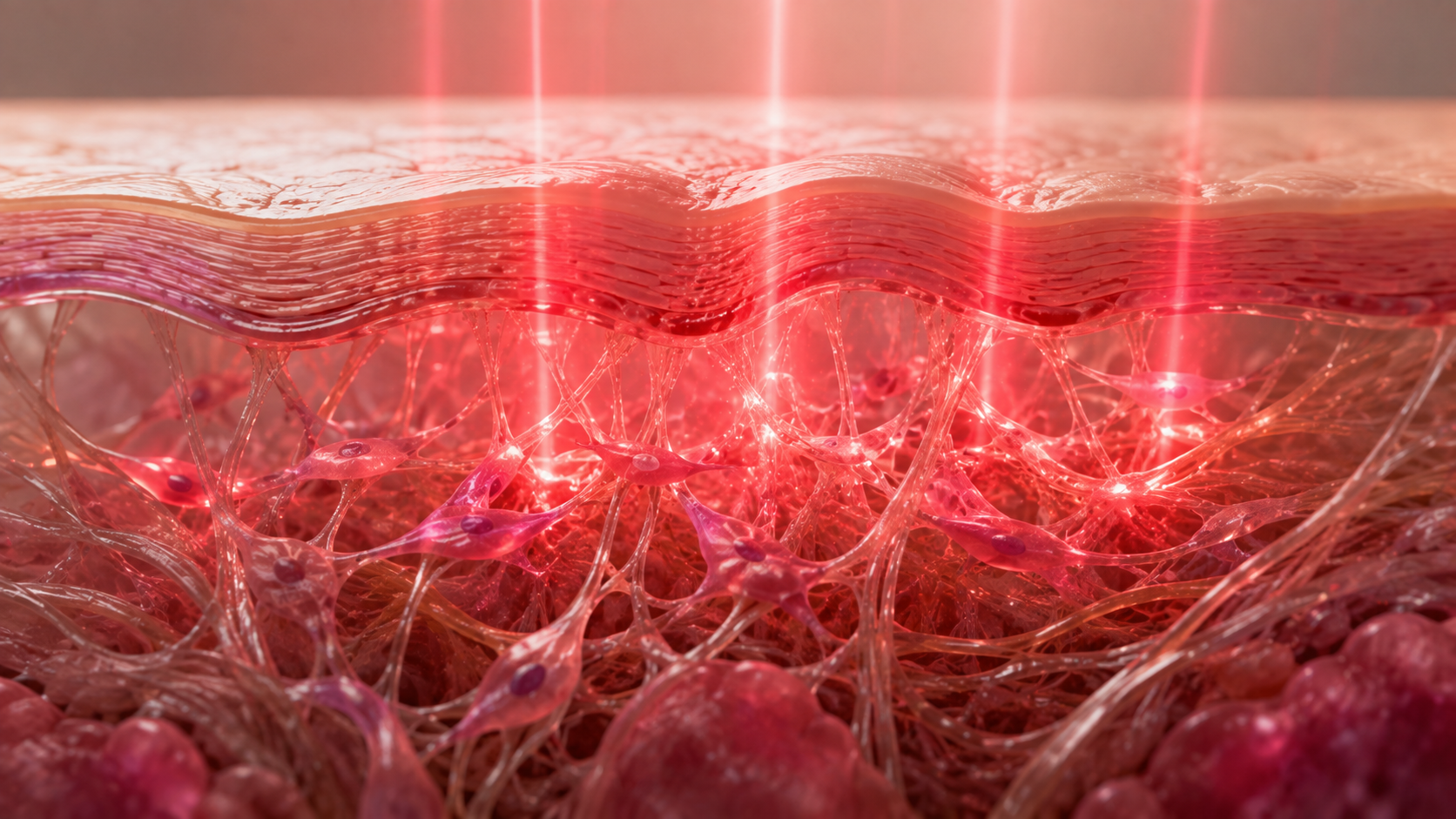
The biological foundation of red light therapy rests on the interaction between specific light wavelengths and chromophores within cells, particularly cytochrome c oxidase in the mitochondrial respiratory chain. When red and near-infrared photons are absorbed by this enzyme, they enhance mitochondrial respiration and increase the production of adenosine triphosphate (ATP), the molecule that fuels cellular repair, proliferation, and signaling pathways. This uptick in cellular energy supports fibroblast activity, the cells responsible for synthesizing collagen and elastin, the structural proteins that maintain skin firmness and elasticity.
Red light therapy collagen stimulation occurs through multiple pathways. Enhanced ATP availability allows fibroblasts to upregulate procollagen gene expression, leading to increased deposition of type I and type III collagen in the dermal matrix. Concurrently, photobiomodulation modulates matrix metalloproteinases (MMPs), enzymes that degrade collagen during the natural aging process and in response to ultraviolet exposure. By reducing MMP activity and promoting tissue inhibitors of metalloproteinases (TIMPs), red light therapy helps preserve existing collagen while facilitating new synthesis.
Beyond collagen, red light wavelengths influence inflammatory mediators and oxidative stress markers. Photobiomodulation has been shown to reduce levels of reactive oxygen species (ROS) and inflammatory cytokines such as interleukin-1 and tumor necrosis factor-alpha, creating a cellular environment conducive to repair rather than chronic inflammation. This anti-inflammatory effect is particularly relevant for conditions like red light therapy acne, where sebaceous gland activity and bacterial proliferation drive inflammatory lesions.
Near-infrared wavelengths, typically in the 800 to 850 nanometer range, penetrate deeper than visible red light (630 to 660 nanometers), reaching subcutaneous tissues and potentially influencing hair follicles and adipose layers. This depth of penetration underlies the use of red light therapy for hair loss, where follicular keratinocytes and dermal papilla cells may benefit from enhanced metabolic activity and blood flow. Medical evidence on red light therapy benefits highlights these mechanisms as the basis for clinical applications across multiple dermatologic and aesthetic indications.
Clinical Evidence and FDA-Cleared Devices for Skin Aging, Acne, and Hair Loss
The body of clinical research supporting red light therapy has grown considerably over the past two decades, with randomized controlled trials and meta-analyses documenting measurable improvements in photoaged skin, inflammatory acne, and androgenetic alopecia. For red light therapy for aging, studies have demonstrated statistically significant reductions in fine lines, wrinkle depth, and skin roughness following consistent treatment protocols, typically involving sessions two to three times per week over eight to twelve weeks. Objective measures such as profilometry and digital imaging have corroborated patient-reported improvements in skin texture and tone.
The U.S. Food and Drug Administration has cleared multiple devices for dermatologic use based on controlled trials. For example, certain LED panels and handheld devices have received 510(k) clearance for the temporary improvement of periorbital wrinkles and skin appearance. These clearances require manufacturers to demonstrate safety and substantial equivalence to predicate devices, along with clinical data supporting their efficacy claims. It is important to note that FDA clearance does not equate to approval for all claimed benefits; each indication must be substantiated by appropriate evidence.
For red light therapy acne, studies have explored both monochromatic red light and blue-red combination treatments. Blue light (around 415 nanometers) targets porphyrins produced by Cutibacterium acnes, generating reactive oxygen species that reduce bacterial load. Red light complements this antibacterial effect by modulating sebaceous gland activity and reducing inflammatory cytokines in the dermis. Dermatologist-backed red light therapy evidence from the American Academy of Dermatology notes that while some patients experience meaningful acne reduction, results are often modest and variable, necessitating realistic expectations and combination with other acne therapies when indicated.
Red light therapy hair loss treatments have been examined primarily in the context of androgenetic alopecia, the most common form of progressive hair loss in both men and women. Low-level laser therapy (LLLT), a subset of photobiomodulation using coherent light sources, has shown efficacy in stimulating hair follicles in the anagen (growth) phase and increasing hair density in controlled trials. LED-based devices, which emit non-coherent red and near-infrared light, have also been studied with promising but less robust evidence. The mechanism is believed to involve enhanced cellular energy production in follicular cells, improved microcirculation, and modulation of inflammatory mediators that contribute to follicle miniaturization. Patients in communities such as Los Gatos and Livermore seeking hair restoration options may consider these devices as adjunctive therapies, though response rates and timelines vary widely based on individual factors including age, pattern of hair loss, and concurrent treatments.

Safe Use Protocols: Frequency, Duration, and Contraindications for Home and Professional Treatments
Establishing safe and effective protocols for red light therapy requires attention to wavelength, power density (irradiance), treatment duration, and session frequency. Professional-grade devices used in medical settings typically deliver higher irradiance levels, measured in milliwatts per square centimeter (mW/cm²), allowing for shorter treatment times while achieving the desired fluence (energy dose) at the tissue level. Home-use devices generally operate at lower power outputs, necessitating longer sessions to deliver comparable energy doses.
For skin rejuvenation and anti-aging applications, a common protocol involves sessions lasting 10 to 20 minutes per treatment area, performed two to three times per week. Devices should emit wavelengths in the red (630–660 nm) or near-infrared (800–850 nm) spectrum, with an irradiance typically ranging from 5 to 50 mW/cm² for home devices and up to 100 mW/cm² or higher for professional systems. Consistency is critical; sporadic use is unlikely to produce measurable outcomes, as the cellular adaptations underlying photobiomodulation require sustained signaling over weeks.
Contraindications and precautions are essential considerations. Red light therapy is generally well-tolerated, but certain conditions and medications warrant caution or medical consultation. Photosensitizing medications, including some antibiotics (tetracyclines, fluoroquinolones), nonsteroidal anti-inflammatory drugs, and retinoids, can increase skin sensitivity to light exposure. Patients with active skin cancer, suspicious lesions, or a history of melanoma should avoid red light therapy over affected areas until cleared by a dermatologist, as the effects of photobiomodulation on malignant cells are not fully understood.
Pregnancy is another scenario where limited safety data necessitates a conservative approach. While red and near-infrared wavelengths do not carry the DNA-damaging risks of ultraviolet light, the absence of controlled trials in pregnant populations means that elective cosmetic treatments are typically deferred. Individuals with thyroid disorders should avoid direct irradiation of the thyroid gland, as some animal studies have suggested potential modulation of thyroid function with near-infrared exposure.
Eye protection is recommended when using high-powered devices or treating areas near the eyes, though red and near-infrared wavelengths are far less damaging to retinal structures than blue or ultraviolet light. Patients throughout Danville and neighboring communities should follow manufacturer guidelines and consult with a medical provider before beginning treatment, particularly if they have a history of seizure disorders, as flashing or pulsed light modes may theoretically trigger photosensitive epilepsy in susceptible individuals, though this risk is primarily associated with shorter wavelengths and strobe frequencies.
Comparison of Professional Dermatology Treatments Versus At-Home Red Light Devices and Their Efficacy
The market for red light therapy devices now includes both professional-grade systems used in clinical settings and consumer devices designed for home use. These two categories differ in several technical and practical aspects that affect treatment outcomes.
Professional devices used in dermatology practices and medical spas deliver higher irradiance levels than most consumer products. This allows for controlled energy delivery in shorter treatment sessions. These systems undergo safety testing and regulatory review processes, with many holding FDA clearances for specific skin conditions. The clinical environment provides access to trained professionals who can assess individual skin characteristics and create customized treatment protocols.
In medical settings, red light therapy can be combined with other treatments such as microneedling, chemical peels, or platelet-rich plasma procedures. These combination approaches are implemented under professional supervision, with treatment parameters adjusted based on individual response and tolerance.
At-home devices offer convenience and eliminate the need for scheduled appointments. The quality of consumer devices varies, with some products emitting wavelengths outside the therapeutic range or delivering insufficient power density to reach target tissues. Without professional guidance, users must rely on manufacturer instructions to determine treatment duration, frequency, and positioning.
When selecting a home device for red light therapy, look for products with published technical specifications. These should include wavelength data showing peak emission in the 630–660 nm red range or 800–850 nm near-infrared range, along with irradiance measurements at the recommended treatment distance. Third-party testing and FDA registration provide additional quality indicators.
The choice between professional and home-based red light therapy depends on individual factors including the specific skin concern being addressed, budget considerations, and ability to maintain a consistent treatment schedule. Some individuals use professional treatments for initial sessions and transition to home devices for maintenance, creating a combined approach that balances different practical considerations.

Real Patient Results and Timeline: When to Expect Improvements in Skin Texture and Appearance
Realistic timelines are crucial for managing patient expectations with red light therapy, as visible improvements in skin texture, tone, and overall appearance do not occur overnight. The biological processes underlying photobiomodulation—collagen synthesis, cellular turnover, and inflammatory modulation—require time to manifest as observable changes. Most clinical studies report initial improvements after four to six weeks of consistent treatment, with more pronounced effects emerging at eight to twelve weeks.
In the first few weeks, patients may notice subtle enhancements in skin hydration and a mild improvement in radiance, reflecting increased microcirculation and lymphatic drainage. These early changes, while encouraging, are not yet driven by significant structural remodeling of the dermal matrix. By weeks four to six, fibroblast activity and collagen deposition begin to produce measurable effects. Fine lines may appear softer, skin texture smoother, and pore appearance refined. Objective measures such as skin elasticity and hydration levels often show statistically significant improvement at this stage.
From eight to twelve weeks, the cumulative effects of sustained photobiomodulation become more evident. Deeper wrinkles may show reduction in depth and length, overall skin tone becomes more even, and clinical assessments often reveal increased dermal thickness on ultrasound imaging. For red light therapy acne, inflammatory lesions typically respond within the first four to eight weeks, with reductions in papule and pustule counts. Non-inflammatory lesions, such as comedones, may take longer to resolve and often require combination therapy.
For red light therapy hair loss, timelines are even more protracted due to the hair growth cycle. The anagen (growth) phase lasts months to years, and follicles that have entered telogen (resting) or have begun to miniaturize require sustained signaling to re-enter active growth. Most studies evaluating low-level laser therapy for androgenetic alopecia report initial increases in hair density and shaft diameter at 12 to 16 weeks, with continued improvement through 24 weeks. Patients should be counseled that hair regrowth is a gradual process, and consistent, long-term use is necessary to maintain gains.
Individual variability is a key consideration. Factors such as baseline skin condition, age, genetic predisposition, lifestyle habits (sun exposure, smoking, diet), and adherence to treatment protocols all influence outcomes. Some patients, particularly those with robust fibroblast activity and minimal cumulative sun damage, may experience faster and more dramatic results. Others, especially those with advanced photoaging or concurrent inflammatory skin conditions, may see more modest improvements or require adjunctive therapies to achieve desired outcomes. Providers at medical practices serving the greater Bay Area, from Los Gatos to Livermore, routinely incorporate progress assessments and adjust protocols based on individual response patterns to optimize results.
Red Light Therapy Combined with Other Skincare Treatments for Optimal Skin Health Outcomes
The integration of red light therapy with complementary aesthetic and dermatologic treatments has emerged as a strategy to enhance overall skin health outcomes through synergistic mechanisms. Photobiomodulation can amplify the benefits of other modalities by accelerating healing, reducing inflammation, and supporting tissue remodeling processes initiated by primary treatments.
Microneedling, which creates controlled micro-injuries to stimulate collagen induction, pairs well with red light therapy. The mechanical disruption of the stratum corneum and superficial dermis triggers a wound-healing cascade that includes fibroblast activation and growth factor release. When red light therapy is applied immediately post-microneedling, the enhanced ATP production and anti-inflammatory effects can support more efficient repair and potentially reduce downtime. Some practitioners also use red light before microneedling to pre-condition the skin and optimize cellular energy reserves for the healing process ahead.
Chemical peels, which remove the outermost layers of the epidermis and induce controlled exfoliation, can benefit from post-peel photobiomodulation. Red light therapy may reduce erythema and discomfort following medium-depth peels and support the regeneration of a healthier, more uniform epidermal layer. The timing and intensity of red light sessions must be carefully managed to avoid overstimulation during the acute inflammatory phase of peel recovery.
Platelet-rich plasma (PRP) injections, used for facial rejuvenation and hair restoration, represent another area of potential synergy. PRP delivers a concentrated dose of growth factors that stimulate tissue repair and regeneration. Combining PRP with red light therapy may enhance growth factor signaling and prolong the anabolic environment favorable for collagen synthesis and follicular stimulation. Clinical evidence for these combination protocols is still evolving, but early results suggest additive or synergistic benefits in select patient populations.
For acne management, red light therapy can complement topical retinoids, benzoyl peroxide, and oral antibiotics by addressing inflammatory pathways and bacterial load through a different mechanism. This multi-modal approach may reduce the need for higher doses of systemic medications and provide more comprehensive control of breakouts. However, caution is warranted with photosensitizing topicals, and treatment schedules should be coordinated to minimize the risk of irritation or phototoxicity.
Laser resurfacing, whether ablative (CO2, erbium) or non-ablative (fractional lasers), creates thermal zones of injury that stimulate dermal remodeling. Post-laser red light therapy can facilitate healing by reducing inflammation and supporting fibroblast activity. The key is timing: red light should not be applied during the acute phase of laser-induced inflammation, but rather during the subacute and remodeling phases to optimize collagen deposition and minimize complications such as prolonged erythema or pigmentary changes. Patients in Danville and throughout the region considering combination protocols should work with experienced medical providers who can design individualized treatment plans that sequence modalities for safety and efficacy.

Side Effects, Safety Concerns, and Medical Conditions Requiring Dermatologist Consultation
Red light therapy is widely regarded as a low-risk intervention when used appropriately, but like all medical and aesthetic treatments, it carries potential side effects and specific safety considerations that warrant attention. The most commonly reported adverse effects are mild and transient, including temporary erythema (redness), warmth, and tingling at the treatment site. These reactions typically resolve within minutes to hours post-treatment and do not require intervention.
Prolonged or excessive exposure, particularly with high-irradiance devices, can lead to thermal effects such as burns or blistering, though this is rare with properly calibrated red and near-infrared wavelengths. Unlike ultraviolet light, red light does not cause DNA damage or carry a carcinogenic risk, but overuse can theoretically induce oxidative stress if cellular antioxidant defenses are overwhelmed. Adhering to recommended treatment durations and frequencies minimizes this risk.
Individuals with photosensitivity disorders, such as porphyria or systemic lupus erythematosus, should exercise caution and seek medical guidance before beginning red light therapy. While these conditions are primarily associated with sensitivity to ultraviolet and shorter visible wavelengths, some patients may exhibit heightened reactivity across a broader spectrum. A dermatologist can perform phototesting to determine safe exposure parameters.
As previously noted, photosensitizing medications require special attention. Common culprits include tetracycline antibiotics, sulfonamides, certain diuretics, and retinoids. Patients taking these medications should disclose them to their provider and may need to adjust timing of topical application or temporarily discontinue certain drugs (under medical supervision) to avoid adverse reactions.
Active malignancies, particularly skin cancers such as basal cell carcinoma, squamous cell carcinoma, and melanoma, represent a contraindication to red light therapy over affected areas. The effects of photobiomodulation on cancer cells are not fully elucidated; while some laboratory studies suggest that certain wavelengths may inhibit tumor growth, others indicate potential stimulation of cellular proliferation. Until more definitive evidence is available, conservative practice dictates avoiding treatment over known or suspected malignant lesions.
Thyroid conditions, as mentioned, warrant avoidance of direct neck irradiation, especially with near-infrared wavelengths that penetrate deeper tissues. Patients with hyperthyroidism, hypothyroidism, or thyroid nodules should consult an endocrinologist or dermatologist before using devices that may irradiate the thyroid gland.
Pregnancy and breastfeeding represent periods where elective aesthetic treatments are generally approached with caution due to limited safety data. While red light therapy does not carry known teratogenic risks, the absence of controlled studies in pregnant women means that most providers recommend deferring non-essential treatments until after delivery and cessation of breastfeeding.
Seizure disorders triggered by light, though rare and more commonly associated with strobe or flashing lights in the blue and green spectrum, should be disclosed to providers. Most red light devices operate in continuous or slow-pulse modes that are unlikely to provoke photosensitive epilepsy, but individual risk assessment is prudent.
Patients with implanted devices such as pacemakers or defibrillators should confirm with their cardiologist that red light therapy poses no interference risk, though the non-ionizing, non-radiofrequency nature of photobiomodulation makes such interactions highly unlikely. Anyone with a history of keloid scarring or hypertrophic scarring should be monitored closely, as enhanced collagen synthesis could theoretically exacerbate abnormal scar formation, though clinical reports of this are lacking.
For individuals in Dublin, Danville, and across the Bay Area considering red light therapy, a thorough consultation with a board-certified dermatologist or medical provider is the prudent first step, especially if any of the above conditions or risk factors apply. A comprehensive skin assessment, review of medical history, and discussion of treatment goals ensure that red light therapy is integrated safely and effectively into an overall skincare strategy.
Frequently Asked Questions (FAQs)
Does red light therapy actually work for skin?
Yes, red light therapy has demonstrated clinical efficacy for certain skin concerns when used consistently with validated devices. Controlled trials show measurable improvements in fine lines, skin texture, and inflammatory conditions such as acne through mechanisms involving increased collagen synthesis, enhanced cellular energy production, and modulation of inflammatory pathways. However, results vary based on device quality, wavelength, treatment protocol, and individual factors. FDA-cleared devices with published clinical data provide the strongest evidence for efficacy, and realistic expectations are essential as improvements are typically gradual over weeks to months.
How often should you use red light therapy for skin?
Most evidence-based protocols recommend using red light therapy two to three times per week for skin rejuvenation and anti-aging applications. Each session typically lasts 10 to 20 minutes per treatment area, depending on device irradiance and the targeted concern. Consistency is critical, as the biological processes underlying photobiomodulation require sustained signaling over time to produce measurable improvements in collagen deposition and skin texture. More frequent use does not necessarily accelerate results and may increase the risk of mild side effects such as transient erythema. Consult a medical provider for individualized guidance based on your specific skin condition and treatment goals.
What are the side effects of red light therapy?
Red light therapy is generally well-tolerated with minimal side effects. The most common adverse reactions are mild and transient, including temporary redness, warmth, and tingling at the treatment site, which typically resolve within minutes to hours. Prolonged or excessive exposure with high-irradiance devices can occasionally cause thermal effects such as burns, though this is rare when proper protocols are followed. Unlike ultraviolet light, red and near-infrared wavelengths do not cause DNA damage or carry carcinogenic risk. Individuals with photosensitivity disorders, those taking photosensitizing medications, or those with certain medical conditions should consult a dermatologist before beginning treatment to ensure safety.
Is red light therapy safe for all skin types?
Red light therapy is considered safe for all skin types, including darker skin tones, because it does not rely on melanin absorption and does not carry the pigmentary risks associated with some laser and intense pulsed light treatments. The wavelengths used in photobiomodulation (630 to 850 nanometers) penetrate the skin to stimulate cellular processes without causing epidermal damage or post-inflammatory hyperpigmentation. However, individuals with photosensitivity disorders, active skin infections, or certain medical conditions should consult a board-certified dermatologist before starting treatment. Device quality and adherence to recommended protocols are essential for safety and efficacy across all skin types.
How long does it take to see results from red light therapy?
Most patients begin to notice subtle improvements in skin hydration and radiance within the first few weeks of consistent red light therapy use. More significant changes in fine lines, skin texture, and tone typically emerge after four to six weeks, with pronounced effects often visible at eight to twelve weeks as collagen synthesis and dermal remodeling accumulate. For inflammatory acne, reductions in lesion counts may occur within four to eight weeks. Hair regrowth for androgenetic alopecia requires longer timelines, with initial increases in hair density generally observed at 12 to 16 weeks. Individual results vary based on baseline skin condition, age, device quality, and adherence to treatment protocols.
Can you use red light therapy at home?
Yes, at-home red light therapy devices are available and can produce measurable benefits when they meet specific technical criteria and are used consistently according to evidence-based protocols. High-quality home devices should emit validated wavelengths in the red (630 to 660 nanometers) or near-infrared (800 to 850 nanometers) range, deliver adequate irradiance (at least 5 to 10 milliwatts per square centimeter at the recommended treatment distance), and provide sufficient treatment area coverage. While convenient and often more economical over time, home devices typically deliver lower power density than professional-grade systems, requiring longer session durations and diligent adherence. Consulting a medical provider before starting home treatment ensures device selection and protocols align with individual skin concerns and safety considerations.
Medical Disclaimer: This content is for educational purposes only and is not a substitute for personalized medical advice. Individual results vary. Schedule a consultation with Dr. Neetu Nebhwani at LA ViE MD to determine the best treatment for your skin or wellness goals.