Excess Facial Hair in Women: Understanding Hirsutism and Modern Treatment Options
Hirsutism is a medical condition characterized by excessive growth of dark, coarse hair in women in a male-pattern distribution, most commonly affecting the face, chest, and back. This condition affects approximately 5 to 10 percent of women of reproductive age and results from elevated androgen levels or increased sensitivity of hair follicles to normal circulating androgens. While hirsutism itself does not pose direct physical health risks, it can signal underlying hormonal imbalances such as polycystic ovary syndrome (PCOS), congenital adrenal hyperplasia, or androgen-secreting tumors that require medical evaluation and management.
The experience of unwanted facial hair can have profound psychological and social impacts on affected women, often leading to reduced self-esteem, anxiety, and social withdrawal. Understanding the difference between normal variations in hair growth and pathological hirsutism is essential for determining whether medical intervention is warranted. The Cleveland Clinic hirsutism guide notes that diagnosis typically involves both clinical assessment using standardized scoring systems and laboratory testing to identify hormonal causes.
Modern approaches to managing excessive facial hair in women combine medical treatment of underlying endocrine disorders with cosmetic interventions ranging from topical medications to permanent hair removal techniques. This article examines the hormonal mechanisms behind hirsutism, diagnostic protocols used by endocrinologists, and the full spectrum of treatment options available to women seeking to address this condition. Whether hirsutism stems from PCOS, idiopathic androgen excess, or medication side effects, evidence-based treatments can effectively reduce hair growth and improve quality of life.

What Causes Hirsutism? Understanding Hormonal Hair Growth in Women

The primary cause of hirsutism is an excess of androgens—male hormones that are present in small amounts in all women but can become elevated due to various medical conditions. Testosterone and its more potent derivative dihydrotestosterone (DHT) stimulate hair follicles to produce terminal hairs, which are thick, pigmented, and coarse. When androgen levels rise or when hair follicles become more sensitive to normal androgen levels, the fine vellus hairs characteristic of female skin transform into the coarser terminal hairs typically seen in male-pattern hair distribution.
Polycystic ovary syndrome is the most common cause of hirsutism, accounting for approximately 70 to 80 percent of cases. PCOS is characterized by irregular menstrual cycles, multiple ovarian cysts, and hyperandrogenism. Women with PCOS produce excessive amounts of androgens from the ovaries, which not only promotes unwanted facial hair but also contributes to acne, scalp hair thinning, and metabolic disturbances. Other endocrine causes include congenital adrenal hyperplasia, Cushing syndrome, androgen-secreting tumors of the ovaries or adrenal glands, and thyroid disorders. Certain medications such as danazol, anabolic steroids, and some progestins can also induce hirsutism as a side effect.
In some cases, women develop idiopathic hirsutism, meaning no identifiable hormonal abnormality can be detected through laboratory testing despite the presence of excess facial hair. This form of hirsutism is thought to result from increased peripheral conversion of weaker androgens to DHT or heightened sensitivity of hair follicles to circulating androgens. Ethnic background plays a significant role in hair growth patterns, with women of Mediterranean, Middle Eastern, and South Asian descent naturally exhibiting more body and facial hair than those of East Asian or Northern European ancestry. The Mayo Clinic hirsutism overview emphasizes that distinguishing between ethnic variation and pathological androgen excess requires careful clinical evaluation and appropriate hormone testing.
Hirsutism vs. Hypertrichosis: Key Differences in Female Facial Hair
While both hirsutism and hypertrichosis involve excessive hair growth, they are distinct conditions with different underlying mechanisms and treatment approaches. Hirsutism specifically refers to androgen-dependent hair growth in a male-pattern distribution in women, affecting areas such as the upper lip, chin, chest, lower abdomen, and inner thighs. The hair in hirsutism is terminal—thick, dark, and coarse—and results from hormonal influences on the hair follicle. This condition is exclusive to postpubertal women and always raises the question of underlying hormonal imbalance.
Hypertrichosis, by contrast, describes generalized excessive hair growth that can occur anywhere on the body in both men and women, independent of androgen stimulation. The hair may be vellus (fine, light) or terminal, and the distribution does not follow a male pattern. Hypertrichosis can be congenital or acquired, and causes include genetic syndromes, medications such as minoxidil and cyclosporine, malnutrition, metabolic disorders, and dermatomyositis. Unlike hirsutism, hypertrichosis does not signal hormonal dysfunction and does not require endocrine evaluation.
Distinguishing between these two conditions is critical for appropriate management. A woman presenting with dark hair along the jawline and upper lip likely has hirsutism warranting hormone testing, while generalized fine hair covering the forearms and back may represent hypertrichosis related to medication use or a genetic predisposition. The WebMD excessive hair growth resource explains that accurate diagnosis guides whether treatment should focus on addressing hormonal imbalances, discontinuing causative medications, or pursuing purely cosmetic hair removal options. Clinicians use both patient history and the Ferriman-Gallwey scoring system to differentiate these conditions and determine the appropriate diagnostic pathway.
The Link Between PCOS and Facial Hair: Androgen Excess Explained
Polycystic ovary syndrome is the leading cause of hirsutism in women of reproductive age, and excessive facial hair is often one of the first visible symptoms that prompts medical evaluation. PCOS is a complex endocrine disorder characterized by ovulatory dysfunction, hyperandrogenism, and polycystic ovarian morphology on ultrasound. The elevated androgen levels in PCOS result from both increased ovarian production and decreased hepatic production of sex hormone-binding globulin (SHBG), which normally binds and inactivates circulating androgens. This combination leads to higher levels of free, biologically active testosterone that stimulates hair follicles in androgen-sensitive areas.
Women with PCOS facial hair often notice gradual onset of coarse, dark hair on the chin, upper lip, sideburns, and jawline during late adolescence or early adulthood. This is frequently accompanied by acne, irregular or absent menstrual periods, difficulty conceiving, and weight gain, particularly in the abdominal region. The metabolic features of PCOS, including insulin resistance and compensatory hyperinsulinemia, further exacerbate androgen production by the ovaries. Insulin acts synergistically with luteinizing hormone to stimulate theca cells in the ovaries to produce more testosterone, creating a self-perpetuating cycle of hormonal imbalance.
Diagnosis of PCOS requires meeting at least two of three Rotterdam criteria: irregular ovulation, clinical or biochemical signs of hyperandrogenism, and polycystic ovaries on ultrasound. Laboratory evaluation typically includes measurement of total and free testosterone, dehydroepiandrosterone sulfate (DHEAS), 17-hydroxyprogesterone, and sometimes luteinizing hormone and follicle-stimulating hormone ratios. Managing PCOS-related hirsutism requires addressing both the cosmetic concern of unwanted facial hair and the underlying metabolic and reproductive dysfunction. Treatment strategies combine lifestyle modifications such as weight loss and exercise with pharmacological interventions including anti-androgen medications, insulin sensitizers like metformin, and hormonal contraceptives to suppress ovarian androgen production and regulate menstrual cycles.
Diagnostic Process: The Ferriman-Gallwey Scale and Hormone Testing

The evaluation of hirsutism begins with a thorough clinical assessment using the modified Ferriman-Gallwey scale, a standardized scoring system that quantifies hair growth in nine androgen-sensitive body areas: upper lip, chin, chest, upper back, lower back, upper abdomen, lower abdomen, upper arms, and thighs. Each area is graded from 0 (no terminal hair) to 4 (extensive terminal hair growth), with a total score of 8 or higher generally considered diagnostic of hirsutism in Caucasian women. Different ethnic groups may require adjusted thresholds, as baseline hair growth patterns vary significantly across populations.
Laboratory testing is essential to identify the underlying cause of androgen excess and rule out serious conditions such as androgen-secreting tumors. Initial hormone evaluation typically includes total testosterone, free testosterone, DHEAS, and 17-hydroxyprogesterone measured in the early morning during the follicular phase of the menstrual cycle when possible. Markedly elevated DHEAS suggests an adrenal source of androgens, while very high testosterone levels may indicate an ovarian tumor. A 17-hydroxyprogesterone level above 200 ng/dL warrants further testing for congenital adrenal hyperplasia with an ACTH stimulation test. Additional tests may include prolactin to screen for hyperprolactinemia, thyroid-stimulating hormone for thyroid dysfunction, and fasting glucose and lipid panels to assess metabolic complications.
The Endocrine Society patient education resource recommends that women with sudden onset of severe hirsutism, rapidly progressive symptoms, signs of virilization such as deepening voice or clitoral enlargement, or very elevated androgen levels should be referred to an endocrinologist for comprehensive evaluation. Imaging studies including pelvic ultrasound or adrenal CT or MRI may be necessary when tumor is suspected. The diagnostic process aims not only to confirm hirsutism but to identify treatable underlying conditions that may have broader health implications beyond cosmetic concerns. This systematic approach ensures that serious pathology is not missed and that treatment can be appropriately tailored to the specific hormonal abnormality present.
Medical Treatment Options: Anti-Androgens and Hormonal Therapies
Medical management of hirsutism targets the underlying hormonal imbalance through medications that either reduce androgen production, block androgen receptors, or alter androgen metabolism. Combined oral contraceptives are typically first-line pharmacological treatment for women not seeking pregnancy. Birth control pills suppress ovarian androgen production by reducing luteinizing hormone secretion from the pituitary gland, and the estrogen component increases hepatic production of SHBG, which binds and inactivates free testosterone. Formulations containing progestins with low androgenic activity such as drospirenone, norgestimate, or desogestrel are preferred to avoid exacerbating hirsutism.
Anti-androgen medications directly block the action of androgens at the hair follicle level. Spironolactone, originally developed as a potassium-sparing diuretic, competitively inhibits androgen receptors and also reduces testosterone synthesis. At doses of 50 to 200 mg daily, spironolactone can significantly reduce hair growth over six to twelve months, though results vary among individuals. Because spironolactone can cause feminization of a male fetus, it must be used with reliable contraception in women of childbearing potential. Other anti-androgens include flutamide and finasteride, though these are used less commonly due to side effect profiles and off-label status for hirsutism treatment. Finasteride inhibits 5-alpha-reductase, the enzyme that converts testosterone to the more potent DHT.
Topical eflornithine cream is FDA-approved specifically for unwanted facial hair in women and works by inhibiting ornithine decarboxylase, an enzyme essential for hair growth. Applied twice daily to affected areas, eflornithine slows hair growth but does not permanently remove existing hair, so it is most effective when combined with mechanical hair removal methods. Insulin-sensitizing medications such as metformin may help reduce androgen levels in women with PCOS and insulin resistance, though the effect on hirsutism is generally modest compared to anti-androgens. Medical treatments for hirsutism require patience, as significant improvement typically takes at least six months of consistent use, and hair growth usually returns when medication is discontinued. These therapies address the root hormonal cause but must be paired with cosmetic hair removal for facial hair to achieve optimal aesthetic results while hormonal effects accumulate.
Cosmetic Hair Removal: Laser, Electrolysis, and Other Methods
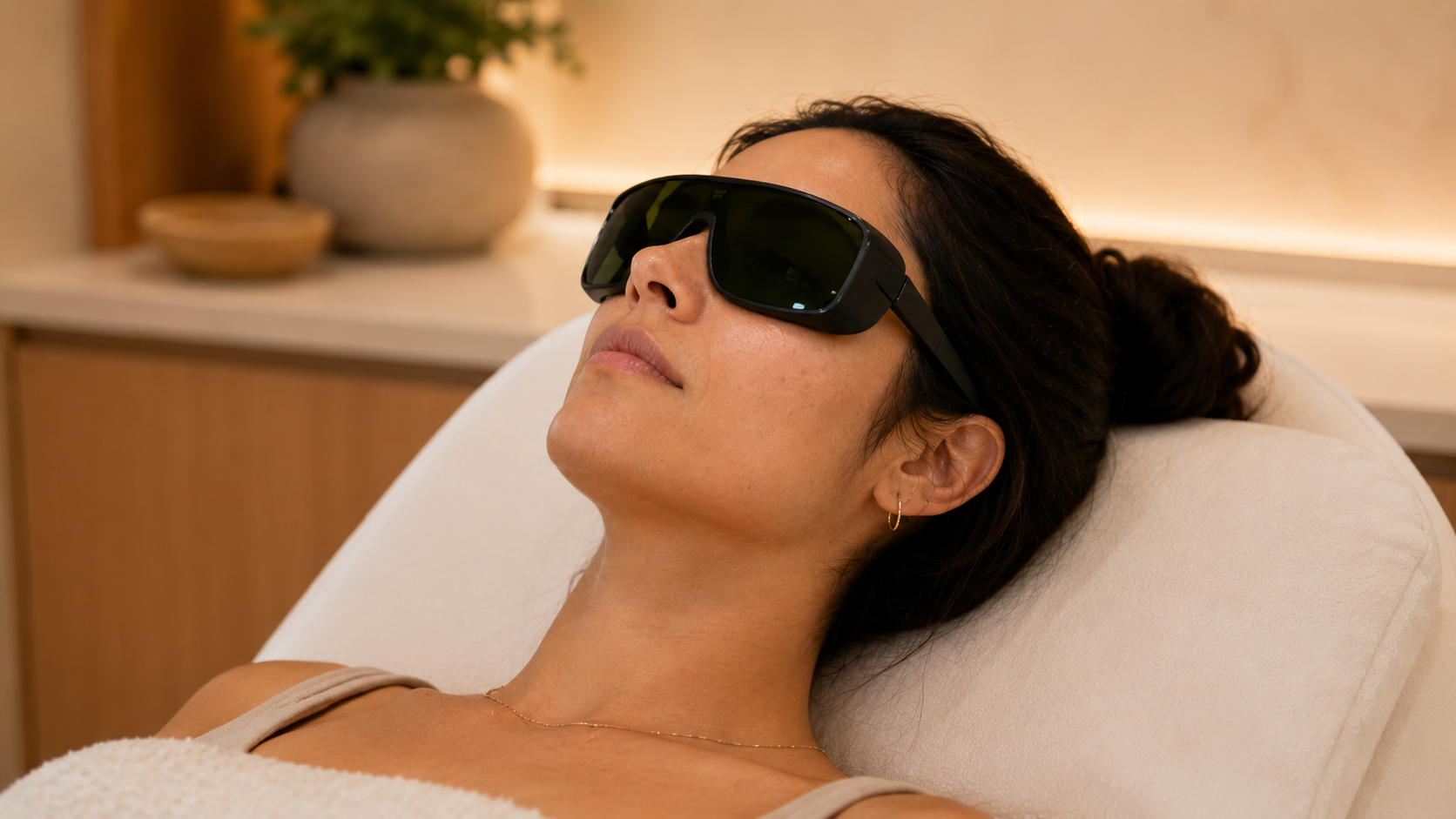
While medical treatments address the hormonal drivers of hirsutism, cosmetic hair removal procedures provide more immediate visible improvement and are often necessary even when anti-androgen therapy is effective. The two primary methods capable of permanent hair reduction are laser hair removal and electrolysis, each with distinct mechanisms, advantages, and limitations. These modalities target the hair follicle itself to prevent regrowth, offering long-term solutions superior to temporary methods such as shaving, plucking, waxing, or depilatory creams.
Laser hair removal uses selective photothermolysis, in which concentrated light energy is absorbed by melanin in the hair shaft and converted to heat, damaging the follicle and impairing its ability to produce new hair. Multiple treatment sessions spaced four to six weeks apart are required because laser only affects hairs in the active growth (anagen) phase. The procedure works best on individuals with dark hair and light skin due to the contrast that allows melanin in the hair to preferentially absorb the laser energy, though newer technologies have expanded treatment options for darker skin tones. Results vary, with most patients experiencing 70 to 90 percent reduction in hair growth after a full treatment series, though ongoing maintenance sessions may be necessary, particularly in women with active hormonal stimulation from conditions like PCOS.
Electrolysis destroys individual hair follicles using electrical current delivered through a fine probe inserted into each follicle. Unlike laser, electrolysis is effective on all hair and skin colors and is the only method approved by the FDA as truly permanent hair removal. However, it is more time-consuming than laser, as each hair must be treated individually, making it most practical for smaller areas or for treating remaining hairs after laser therapy. Temporary mechanical removal methods including shaving, threading, waxing, and depilatory creams provide immediate but short-lived results and must be repeated regularly. Shaving does not cause hair to grow back thicker or darker, contrary to common myth, though the blunt-cut hair ends may feel coarser than naturally tapered hairs. When combining cosmetic procedures with medical management, most dermatologists recommend continuing hormonal treatments to prevent new follicle stimulation while using laser or electrolysis to address existing hair, creating a comprehensive approach that targets both the source and the symptom of hirsutism.
Lifestyle Modifications and Long-Term Management Strategies
In addition to medical and cosmetic interventions, lifestyle modifications play an important supporting role in managing hormonally-driven hair growth, particularly in women with PCOS-related hirsutism. Weight loss in overweight or obese women with PCOS can significantly improve insulin sensitivity, reduce compensatory hyperinsulinemia, and subsequently decrease ovarian androgen production. Even modest weight reduction of 5 to 10 percent of body weight can restore ovulatory function, improve metabolic parameters, and reduce clinical hyperandrogenism including excessive facial hair. A combination of caloric restriction and regular physical activity provides the most sustainable results.
Dietary interventions that emphasize low glycemic index foods, adequate protein intake, and reduced refined carbohydrates can help manage insulin resistance, a central feature of PCOS that amplifies androgen excess. Some evidence suggests that diets rich in omega-3 fatty acids, fiber, and antioxidants may have beneficial effects on inflammatory markers and hormonal balance, though direct effects on hirsutism are less well established. Nutritional supplementation with inositol, particularly myo-inositol and d-chiro-inositol, has shown promise in small studies for improving insulin sensitivity and reducing androgen levels in women with PCOS, though more robust clinical trials are needed to establish definitive efficacy.
Stress management deserves attention, as chronic psychological stress can disrupt the hypothalamic-pituitary-adrenal axis and potentially influence androgen production through elevated cortisol and adrenal activation. Techniques such as mindfulness meditation, cognitive behavioral therapy, and regular exercise may improve both the physiological and psychological aspects of living with hirsutism. Long-term management requires realistic expectations: medical treatments typically reduce hair growth by 50 to 70 percent rather than eliminating it entirely, and most therapies must be continued indefinitely to maintain results. Regular follow-up with an endocrinologist ensures that underlying hormonal conditions are adequately controlled and allows for adjustment of treatment strategies as needed. The psychological burden of hirsutism should not be underestimated, and women experiencing significant distress may benefit from counseling or support groups to address body image concerns and develop healthy coping strategies for managing a chronic condition that affects both physical health and emotional well-being.

Frequently Asked Questions (FAQs)

What causes excessive facial hair in women?
Excessive facial hair in women is most commonly caused by elevated androgen hormones or increased sensitivity of hair follicles to normal androgen levels. Polycystic ovary syndrome accounts for 70 to 80 percent of hirsutism cases. Other causes include congenital adrenal hyperplasia, androgen-secreting tumors, thyroid disorders, Cushing syndrome, and certain medications. In some women, no hormonal abnormality is detected despite excess hair growth, a condition called idiopathic hirsutism. Ethnic background also influences baseline hair growth patterns, with some populations naturally exhibiting more facial and body hair.
How do you treat hirsutism?
Hirsutism treatment combines medical and cosmetic approaches. Medical management includes combined oral contraceptives to suppress ovarian androgen production, anti-androgen medications like spironolactone to block androgen receptors, and topical eflornithine cream to slow hair growth. Cosmetic options include laser hair removal for permanent reduction in dark hair, electrolysis for all hair and skin types, and temporary methods like shaving or waxing. Treatment of underlying conditions such as PCOS or adrenal disorders is essential for optimal results. Most patients require six months or more of medical therapy to see significant improvement, often combined with ongoing cosmetic hair removal.
Is hirsutism related to PCOS?
Yes, polycystic ovary syndrome is the most common cause of hirsutism, accounting for approximately 70 to 80 percent of cases in women of reproductive age. PCOS causes elevated androgen levels through increased ovarian testosterone production and decreased production of sex hormone-binding globulin. The insulin resistance often present in PCOS further stimulates androgen synthesis. Women with PCOS typically develop excessive facial hair along with irregular periods, acne, difficulty conceiving, and metabolic disturbances. Diagnosis requires meeting at least two of three criteria: irregular ovulation, clinical or biochemical hyperandrogenism, and polycystic ovaries on ultrasound.
What is the difference between hirsutism and hypertrichosis?
Hirsutism is androgen-dependent excessive hair growth in a male-pattern distribution in women, typically affecting the face, chest, and lower abdomen with coarse, dark terminal hairs. It signals potential hormonal imbalance and requires endocrine evaluation. Hypertrichosis is generalized excessive hair growth that can occur anywhere on the body in both sexes, independent of androgens, and the hair may be fine or coarse. Hypertrichosis can result from medications, genetic syndromes, or metabolic disorders and does not indicate hormonal dysfunction. Distinguishing between these conditions determines whether hormone testing and anti-androgen treatment are necessary.
Can hirsutism go away on its own?
Hirsutism rarely resolves spontaneously without treatment because the underlying hormonal imbalances or increased follicle sensitivity typically persist. If caused by a medication, stopping that drug may lead to improvement over several months. Weight loss in overweight women with PCOS can reduce androgen levels and slow new hair growth, though existing terminal hairs will not disappear without active removal. Once a hair follicle has been transformed by androgens to produce terminal rather than vellus hair, it generally continues to do so unless damaged by laser, electrolysis, or suppressed by anti-androgen therapy. Most women with hirsutism require ongoing medical management and hair removal to maintain results.
Medical Disclaimer: This content is for educational purposes only and is not a substitute for personalized medical advice. Individual results vary. Schedule a consultation with Dr. Neetu Nebhwani at LA ViE MD to determine the best treatment for your skin or wellness goals.