Ozempic and Hair Loss: Why It Happens, When It Reverses, and How PRP Can Help
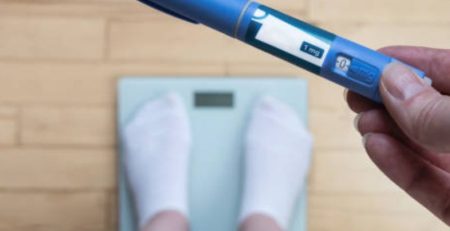
Ozempic hair loss refers to telogen effluvium—a temporary but distressing condition in which rapid weight loss, nutritional deficits, and physiological stress push a significant percentage of scalp hair follicles into the shedding phase several months after starting semaglutide therapy. Although semaglutide itself does not directly damage hair follicles, the metabolic and nutritional changes it triggers can create the perfect environment for diffuse hair thinning. If you began taking Ozempic for weight management or blood sugar control and noticed increased shedding three to six months later, you are experiencing a well-documented side effect that affects a subset of patients who lose weight quickly on GLP-1 medications.
Understanding the mechanism behind this shedding is essential for managing expectations and taking proactive steps to support hair health. Patients across the Bay Area—from Dublin to Danville to Los Gatos and Livermore—have reported similar patterns: initial excitement over weight loss, followed by concern when clumps of hair appear in the shower or on the pillow. The reassuring news is that telogen effluvium related to weight loss is typically reversible once the body adjusts to its new metabolic state and nutritional intake stabilizes. In the meantime, advanced treatments like platelet-rich plasma therapy can accelerate follicle recovery and improve the quality of regrowth.
This article explains exactly why Ozempic and other GLP-1 receptor agonists are associated with hair shedding, what timeline you can expect for natural reversal, and how LA ViE MD uses PRP injections to restore density and confidence during the recovery phase. Whether you are just beginning semaglutide treatment or already noticing thinning, the information that follows is grounded in current research, clinical observation, and evidence-based interventions available at our Bay Area clinics.

Why Does Ozempic Cause Hair Loss?

The short answer is that Ozempic does not directly attack hair follicles or disrupt their growth cycle through a chemical mechanism. Instead, it creates a cascade of systemic stressors—rapid calorie restriction, micronutrient depletion, hormonal shifts, and physical stress from sudden weight loss—that collectively push hair follicles into premature shedding. This condition is called telogen effluvium, and it is one of the most common forms of non-scarring alopecia triggered by metabolic or physiological shock.
The normal hair growth cycle consists of three phases: anagen (active growth), catagen (transition), and telogen (rest). At any given time, approximately 85 to 90 percent of scalp hairs are in the anagen phase, while 10 to 15 percent rest in telogen before naturally shedding. When the body experiences significant stress—whether from surgery, illness, crash dieting, or rapid weight loss—it can shift a disproportionate number of follicles into telogen simultaneously. Two to four months later, those hairs fall out in unison, creating the alarming appearance of diffuse thinning across the entire scalp.
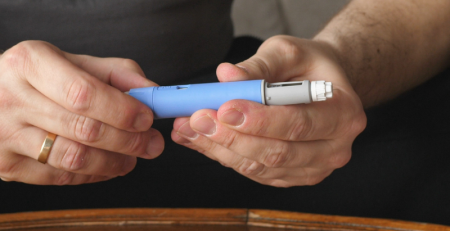
Semaglutide works by mimicking GLP-1, a hormone that slows gastric emptying, reduces appetite, and promotes satiety. The result is often a dramatic caloric deficit and rapid fat loss, especially during the dose-escalation phase. Patients commonly lose 10 to 20 percent of their body weight within the first six months. This rate of change, while therapeutically beneficial for metabolic health, can deprive the body of the protein, iron, zinc, biotin, and essential fatty acids required for optimal follicle function. Hair follicles are metabolically active structures with high nutrient demands, and they are among the first tissues to be deprioritized when the body perceives scarcity.
Additionally, adipose tissue is not metabolically inert—it plays a role in hormone regulation, particularly estrogen and leptin. Rapid fat loss can disrupt these signaling pathways, contributing to a temporary imbalance that further stresses the hair growth cycle. For patients in Danville and throughout the Bay Area who are losing weight quickly on Ozempic, these overlapping factors create a clinical picture consistent with telogen effluvium Ozempic, even though the medication itself is not a direct toxin to hair.
What Is Telogen Effluvium and How Does Rapid Weight Loss Trigger It?
Telogen effluvium is a form of non-scarring alopecia characterized by diffuse shedding that occurs when an unusually high percentage of hair follicles enter the resting (telogen) phase and then shed synchronously. Unlike androgenetic alopecia, which involves progressive miniaturization of follicles, telogen effluvium is typically temporary and fully reversible once the underlying trigger is resolved. It is one of the most common causes of acute hair loss in adults, and it frequently follows major physiological stressors such as childbirth, severe illness, high fever, major surgery, or—as in this case—rapid weight loss.
The mechanism begins with a metabolic signal that the body interprets as a threat to survival. In response, non-essential processes like hair growth are downregulated to conserve energy and nutrients for vital organs. The follicles prematurely terminate their anagen phase and enter telogen. Because there is a natural lag of two to four months between the trigger and visible shedding, patients often do not connect the hair loss to the weight loss event. This delay is one reason why does Ozempic cause hair loss is such a frequently searched question—the temporal disconnect creates confusion.
Rapid weight loss, defined as losing more than one to two pounds per week over an extended period, is a well-documented trigger for telogen effluvium. Research summarized by the Mayo Clinic confirms that crash diets, bariatric surgery, and medically supervised weight loss programs all carry this risk. GLP-1 medications like semaglutide are particularly effective at producing this rate of loss, which is why hair shedding has emerged as a recognized side effect in clinical practice and patient forums alike.
It is important to note that not every patient on Ozempic will experience hair loss. Individual susceptibility depends on baseline nutritional status, the rate of weight loss, genetic predisposition, and adherence to a nutrient-dense diet during treatment. Patients who maintain adequate protein intake, supplement appropriately, and lose weight more gradually are less likely to develop significant shedding. For those in Los Gatos and surrounding areas who are already experiencing thinning, understanding the reversible nature of telogen effluvium is the first step toward effective management.
When Does Hair Loss Start and How Long Does It Last?
The timeline of Ozempic hair shedding follows a predictable pattern that mirrors the biology of the hair growth cycle. Most patients begin noticing increased shedding approximately three to six months after starting semaglutide or after a period of rapid weight loss. This delay corresponds to the time it takes for follicles that have entered telogen to complete their resting phase and release the hair shaft. The shedding phase itself typically lasts three to six months, during which patients may lose significantly more hair than usual—sometimes several hundred strands per day compared to the normal baseline of 50 to 100.
The acute shedding phase is distressing, but it is self-limited. Once the body adapts to the new metabolic state and nutritional intake stabilizes, follicles gradually re-enter the anagen phase and begin producing new hairs. Visible regrowth typically becomes apparent six to nine months after the onset of shedding, though it may take 12 to 18 months for density to fully normalize. During this recovery period, patients often notice short, fine hairs emerging along the hairline and part—a reassuring sign that the follicles are recovering.
It is critical to distinguish between telogen effluvium and permanent hair loss. Telogen effluvium does not damage the follicle itself; it simply disrupts the growth cycle. As long as the triggering stressor is addressed—whether through dietary optimization, weight stabilization, or medical intervention—the follicles retain their capacity to regrow hair. This is why hair loss reversible weight loss is a common search term: patients want confirmation that the thinning they are experiencing is not permanent, and in the vast majority of cases, it is not.
However, prolonged or repeated episodes of telogen effluvium can sometimes unmask underlying androgenetic alopecia or weaken follicles over time. Patients who continue to lose weight aggressively without nutritional support, or who experience chronic stress or medical comorbidities, may see a longer recovery timeline. For patients in Livermore and across the Bay Area, early intervention with nutritional counseling, supplementation, and regenerative treatments like PRP can shorten the duration of visible thinning and improve the quality of regrowth.
Nutritional Deficiencies That Worsen Hair Loss During GLP-1 Therapy
Hair follicles are among the most metabolically active tissues in the human body, requiring a continuous supply of protein, vitamins, and minerals to sustain their rapid cell division and keratin synthesis. When caloric intake drops sharply—as it often does on semaglutide—patients may inadvertently reduce their intake of key micronutrients that support hair health. The result is a double hit: the physiological stress of rapid weight loss combined with nutrient insufficiency that directly impairs follicle function.
Protein is the most critical macronutrient for hair. Hair shafts are composed primarily of keratin, a structural protein that requires adequate amino acid availability for synthesis. Patients on Ozempic who consume fewer than 60 to 80 grams of protein per day may not meet the demands of both lean tissue preservation and hair production. This is especially problematic during the dose-escalation phase, when nausea and early satiety make it difficult to consume protein-rich foods. Inadequate protein intake can prolong telogen effluvium and delay regrowth.
Iron deficiency is another major contributor to hair loss after weight loss. Iron is essential for oxygen transport and cellular metabolism, and hair follicles are highly sensitive to low ferritin levels. Even in the absence of anemia, a ferritin level below 40 to 50 ng/mL can impair hair growth. Women, in particular, are at risk for iron deficiency due to menstruation, and restrictive diets can exacerbate this. Zinc and biotin are also important: zinc supports protein synthesis and immune function, while biotin (vitamin B7) is a cofactor in keratin production. Deficiencies in either can weaken hair shafts and slow regrowth.
Essential fatty acids, particularly omega-3s, play a role in scalp health and inflammation modulation. Patients who eliminate dietary fat in an effort to maximize weight loss may inadvertently reduce intake of these critical lipids. Vitamin D, selenium, and vitamins A and E also contribute to follicle health, and their levels should be monitored in patients experiencing significant shedding. For patients in Dublin and throughout the Bay Area, working with a clinician who understands the interplay between GLP-1 therapy and nutritional status is essential for minimizing hair loss and supporting recovery.
How to Prevent or Minimize Hair Loss While Taking Ozempic

Prevention begins with proactive nutritional planning and realistic expectations about the rate of weight loss. While some degree of shedding may be unavoidable in patients who lose a significant amount of weight quickly, several strategies can reduce the severity and duration of telogen effluvium. The goal is to support the body’s metabolic demands while minimizing the physiological stress that triggers premature follicle shedding.
First, prioritize protein intake. Aim for at least 0.8 to 1.0 grams of protein per kilogram of ideal body weight daily, with higher targets for patients engaging in resistance training or experiencing significant weight loss. Lean meats, fish, eggs, Greek yogurt, legumes, and protein shakes can help meet this goal even when appetite is suppressed. Distributing protein evenly across meals—rather than concentrating it at dinner—ensures a steady supply of amino acids for tissue repair and keratin synthesis.
Second, consider targeted supplementation. A high-quality multivitamin that includes iron, zinc, biotin, and vitamin D can help fill nutritional gaps. Patients with documented deficiencies may benefit from higher-dose supplementation under medical supervision. Omega-3 fatty acids from fish oil or algae-based sources support scalp health and reduce inflammation. Collagen peptides, though less well-studied for hair specifically, may provide additional amino acids that support connective tissue.
Third, moderate the rate of weight loss. While GLP-1 medications are highly effective, slower is often safer for long-term metabolic health and tissue preservation. Working with a clinician to adjust dosing or caloric intake can help achieve a rate of one to two pounds per week, which is less likely to trigger severe telogen effluvium. Patients should also stay well-hydrated, manage stress through sleep and exercise, and avoid crash dieting or extreme caloric restriction.
Finally, monitor for early signs of shedding and intervene promptly. If you notice increased hair in the shower drain or on your pillow, schedule a consultation to assess nutritional status, review your diet, and consider treatments like PRP that can support follicle recovery. Studies indexed in PubMed confirm that early intervention improves outcomes in telogen effluvium, and the same principle applies to GLP-1 hair loss. Patients throughout the Bay Area—from Danville to Los Gatos to Livermore and Dublin—can benefit from a medically supervised approach that balances weight loss goals with hair health.
How PRP Treatment Helps Reverse Hair Loss from Ozempic

Platelet-rich plasma therapy is an autologous regenerative treatment that harnesses the growth factors within your own blood to stimulate dormant or weakened hair follicles. PRP has been used for decades in orthopedics and wound healing, and over the past ten years it has gained traction as a safe and effective intervention for androgenetic alopecia, telogen effluvium, and other forms of non-scarring hair loss. For patients experiencing Ozempic hair shedding, PRP offers a biologically sound way to accelerate recovery and improve the quality of regrowth.
The mechanism is straightforward but powerful. A small volume of your blood is drawn and placed in a centrifuge, which separates the platelet-rich layer from red and white blood cells. The resulting plasma contains a concentration of platelets five to ten times higher than baseline. When activated, these platelets release growth factors including platelet-derived growth factor (PDGF), transforming growth factor-beta (TGF-β), vascular endothelial growth factor (VEGF), and epidermal growth factor (EGF). These signaling molecules stimulate fibroblast proliferation, increase blood flow to the scalp, and promote the transition of follicles from telogen back into anagen.
Clinical evidence supports the use of PRP for hair restoration. Multiple studies have demonstrated improvements in hair density, shaft diameter, and patient-reported satisfaction following a series of PRP injections. While most research has focused on androgenetic alopecia, the same biological mechanisms apply to telogen effluvium: growth factors can reactivate follicles that have been stressed by rapid weight loss, nutritional deficits, or metabolic disruption. Healthline’s review of PRP for hair loss provides additional context on patient outcomes and treatment protocols.
At LA ViE MD, PRP hair loss treatment typically involves three monthly sessions during the initial phase, followed by maintenance treatments every six to 12 months depending on individual response. The procedure is performed in-office, takes approximately 45 to 60 minutes, and requires minimal downtime—most patients experience mild redness and tenderness for one to two days. Because PRP uses your own blood, there is no risk of allergic reaction or rejection, and side effects are limited to occasional bruising at the injection sites. Progressive improvement becomes visible over three to six months as new hairs emerge and existing hairs thicken.
Comparing PRP to Other Hair Loss Treatments for GLP-1 Patients
When it comes to managing hair loss after weight loss, patients have several options ranging from oral supplements to topical solutions to in-office procedures. Each approach has distinct mechanisms, timelines, and evidence bases, and the best choice depends on the severity of shedding, patient preference, and underlying health status. Understanding how PRP compares to other interventions can help you make an informed decision about your hair restoration plan.
Oral supplements—particularly biotin, iron, zinc, and multivitamins—are often the first line of defense. They are inexpensive, widely available, and can address nutritional deficiencies that contribute to telogen effluvium. However, supplements alone are unlikely to reverse significant shedding if the underlying trigger (rapid weight loss, caloric restriction) is still active. They work best as a preventive measure or adjunct to more active treatments. It can take three to six months to see improvement, and results are modest if deficiencies were not the primary driver.
Topical minoxidil (Rogaine) is an FDA-approved treatment for androgenetic alopecia that can also be used off-label for telogen effluvium. Minoxidil prolongs the anagen phase and increases blood flow to the scalp, but it requires continuous daily application and can take four to six months to show results. Some patients experience an initial shedding phase, which can be discouraging. Minoxidil is most effective for pattern hair loss and may offer limited benefit in acute telogen effluvium triggered by metabolic stress.
Low-level laser therapy (LLLT) devices—caps or combs that emit red light—are marketed for at-home hair restoration. The evidence is mixed, with some studies showing modest improvements in density and others showing no significant benefit. LLLT is non-invasive and well-tolerated, but it requires consistent use (several times per week) and is best suited for patients with mild thinning or those seeking adjunctive therapy.
PRP stands out because it directly addresses the biological deficit caused by rapid weight loss and nutrient depletion. By delivering concentrated growth factors to the follicle microenvironment, PRP stimulates cellular repair and accelerates the return to anagen. It is particularly well-suited for patients with diffuse thinning from telogen effluvium, and it can be combined with nutritional optimization and topical treatments for synergistic benefit. The autologous nature of PRP also makes it an attractive option for patients who prefer biologically based interventions without pharmaceuticals. For patients across the Bay Area—whether in Dublin, Danville, Livermore, or Los Gatos—PRP offers a science-backed, minimally invasive solution with a favorable safety profile and meaningful clinical outcomes.
Frequently Asked Questions (FAQs)

Why does Ozempic cause hair loss if it doesn’t directly?
Ozempic does not chemically damage hair follicles. Instead, the rapid weight loss, caloric restriction, and nutrient depletion it causes create systemic stress that pushes a large number of follicles into the resting (telogen) phase simultaneously. This triggers telogen effluvium, a temporary shedding condition that occurs two to four months after the metabolic stressor begins. The body prioritizes vital functions over hair growth during periods of perceived scarcity.
How long does Ozempic-related hair loss last?
Most patients experience peak shedding for three to six months after it begins, which is typically three to six months after starting rapid weight loss on Ozempic. Once weight stabilizes and nutritional intake improves, the shedding phase ends and regrowth begins. Visible improvement usually appears six to nine months after shedding starts, with full density restoration taking 12 to 18 months in most cases.
Is hair loss from Ozempic permanent or temporary?
Hair loss from Ozempic is almost always temporary. Telogen effluvium triggered by rapid weight loss does not destroy the hair follicle; it only disrupts the growth cycle. Once the underlying stressor is resolved—through nutritional support, weight stabilization, or medical intervention—the follicles return to the growth phase and produce new hair. Permanent loss is rare unless there is an underlying condition like androgenetic alopecia.
Can PRP treatment help hair loss from weight loss?
Yes. Platelet-rich plasma delivers concentrated growth factors that stimulate dormant or weakened follicles, promote blood flow to the scalp, and encourage the transition from resting to active growth phase. PRP is particularly effective for telogen effluvium caused by rapid weight loss, and clinical studies show improvements in hair density and shaft diameter after a series of treatments. It is a safe, autologous option with minimal downtime.
What causes telogen effluvium after rapid weight loss?
Rapid weight loss triggers telogen effluvium through multiple pathways: severe caloric restriction signals metabolic stress, nutrient deficiencies (protein, iron, zinc, biotin) impair follicle function, and hormonal shifts from fat loss disrupt growth signals. The body interprets this as a survival threat and diverts resources away from non-essential processes like hair growth, causing a large number of follicles to enter the resting phase and shed synchronously months later.
How do you stop hair loss while taking Ozempic?
Preventing or minimizing hair loss on Ozempic requires proactive nutritional support: prioritize protein intake (0.8 to 1.0 grams per kilogram of ideal body weight daily), supplement with biotin, iron, zinc, and omega-3s as needed, and aim for gradual weight loss (one to two pounds per week). Stay hydrated, manage stress, and monitor for early signs of shedding. If thinning occurs, consult a clinician to assess nutritional status and consider PRP treatment to accelerate recovery.
Medical Disclaimer: This content is for educational purposes only and is not a substitute for personalized medical advice. Individual results vary. Schedule a consultation with Dr. Neetu Nebhwani at LA ViE MD to determine the best treatment for your skin or wellness goals.