Kybella for Double Chin: Cost, Results & Recovery Timeline
Kybella double chin treatment uses synthetic deoxycholic acid injections to permanently dissolve submental fat beneath the jawline, offering a nonsurgical alternative to liposuction or neck lift surgery. The Kybella FDA-approved treatment for double chin specifically targets adipocytes in the submental area, disrupting fat cell membranes and triggering permanent cell destruction through a process called adipocyte lysis. Once these fat cells are destroyed and absorbed by the body’s lymphatic system, they cannot regenerate, making the results permanent as long as weight remains stable.
Understanding the financial investment, realistic timeline for visible improvement, and recovery expectations helps patients make informed decisions about Kybella fat-dissolving injections. Unlike surgical interventions that require general anesthesia and incisions, Kybella delivers targeted fat reduction through a series of office-based injection sessions performed over several months. However, this nonsurgical approach comes with its own set of considerations, including significant post-treatment swelling that can last up to two weeks, multiple treatment sessions spaced four to six weeks apart, and a gradual timeline for final results that may extend several months beyond the last injection.
Patients across the Bay Area from Danville to Dublin seek Kybella as a solution for stubborn submental fullness that persists despite diet and exercise. The treatment requires careful patient selection, realistic expectations about downtime and swelling, and commitment to a multi-session protocol. Board-certified medical professionals at LA ViE MD evaluate candidacy based on submental fat volume, skin elasticity, anatomical considerations, and patient goals to determine whether Kybella represents the most appropriate treatment option for achieving a refined jawline contour.

Cost Breakdown Per Session and Total Treatment Investment
Each Kybella treatment session typically requires between two and four vials of the injectable solution, with each vial containing 2 mL of synthetic deoxycholic acid at a concentration of 10 mg/mL. The number of vials needed depends on the volume and distribution of submental fat, the treatment area dimensions, and the injection pattern designed by the treating provider. A single session involves 20 to 50 individual injections spaced approximately one centimeter apart in a grid pattern across the submental area, ensuring comprehensive coverage of the fat deposit.
The total financial investment for complete Kybella treatment extends beyond a single session because most patients require two to four treatment sessions spaced four to six weeks apart to achieve optimal submental fat reduction. This multi-session protocol accounts for the gradual nature of fat cell destruction and resorption, which occurs over weeks following each injection session. Patients with moderate submental fullness may see satisfactory results after two sessions, while those with larger fat deposits or more pronounced double chin contours often require three to four sessions to reach their aesthetic goals.
Several factors influence the total number of sessions required and therefore the overall investment. Baseline submental fat volume represents the primary determinant—larger fat deposits require more vials per session and typically more total sessions. Skin elasticity also plays a role, as patients with good skin tone may achieve better contour definition with fewer sessions compared to those with poor elasticity who may need additional treatments to compensate for limited skin retraction. Patient goals matter as well; someone seeking subtle improvement may be satisfied after two sessions, while another patient desiring maximal reduction may opt for the full four-session protocol.
When evaluating the financial aspect of Kybella treatment, patients should consider the permanent nature of the results. Unlike temporary dermal fillers that require ongoing maintenance sessions, destroyed fat cells do not regenerate, meaning the achieved reduction in submental fullness remains stable with consistent weight maintenance. This permanence can make the upfront investment more favorable compared to treatments requiring regular touch-ups. Additionally, patients should factor in the nonsurgical nature of Kybella, which eliminates facility fees, anesthesia costs, and the indirect expenses associated with surgical recovery time away from work.
Kybella Results Timeline From First Injection to Final Improvement
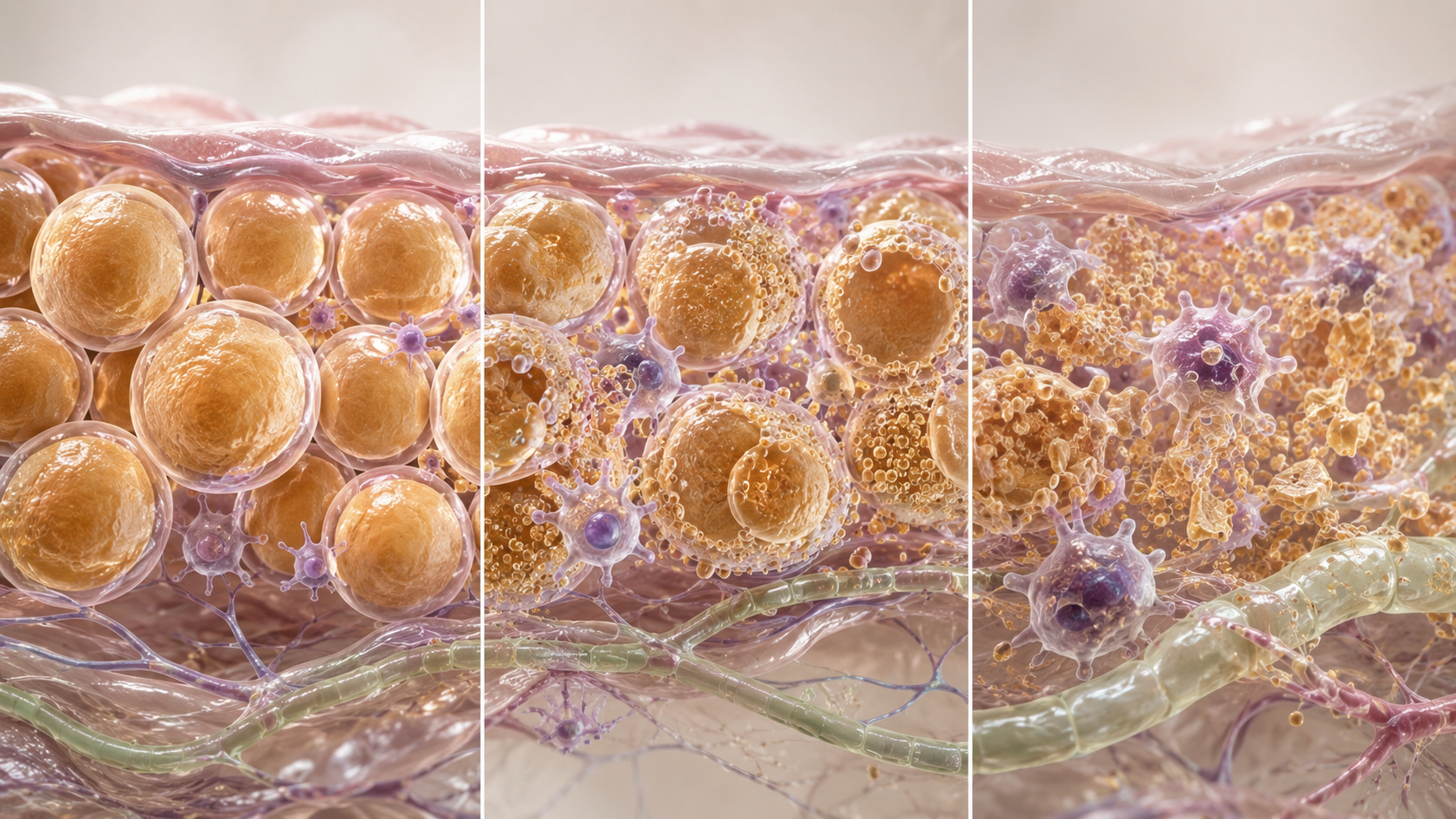
The Kybella results timeline unfolds gradually over months, beginning with an inflammatory response immediately after injection and culminating in final contour refinement several months after the last treatment session. Understanding this extended timeline helps set realistic expectations and prevents premature disappointment during the early post-treatment period when swelling obscures the fat reduction progress occurring beneath the skin.
Immediately following the first Kybella session, patients experience significant swelling in the submental area as the deoxycholic acid disrupts fat cell membranes and triggers an acute inflammatory cascade. This swelling peaks within 48 to 72 hours and typically persists for 7 to 14 days, during which time the treated area appears fuller rather than reduced. Bruising commonly accompanies the swelling, and many patients experience numbness or altered sensation in the submental region that can last several weeks. During this initial recovery phase, visible fat reduction is not yet apparent because the destroyed fat cells are still being processed and resorbed by the body’s lymphatic system.
Visible improvement begins to emerge approximately four to six weeks after each injection session as the inflammation resolves and the destroyed adipocytes are gradually eliminated from the treatment area. This timeframe coincides with the recommended interval between Kybella sessions, allowing providers to assess the fat reduction achieved and determine whether additional treatments are necessary. Patients typically notice a subtle decrease in submental fullness and improved jawline definition at this point, though the full effect of each session continues to develop over the subsequent weeks.
Final results manifest approximately 12 weeks after the last treatment session, once all destroyed fat cells have been completely resorbed and any residual inflammation has resolved. For a patient who completes a three-session protocol with six-week intervals, the entire treatment timeline from first injection to final outcome spans approximately six months. Patients in areas like Los Gatos and Livermore should plan for this extended timeline when scheduling treatments around important events or occasions. The gradual nature of Kybella results differs significantly from surgical liposuction, which produces more immediate contour changes once post-surgical swelling subsides, but it also means that the transformation appears more natural to observers who see the patient regularly throughout the treatment course.
Recovery Expectations Including Swelling Duration and Downtime
Kybella recovery involves significant swelling and temporary side effects that require 7 to 14 days of downtime, during which patients may need to modify social and professional activities. The recovery experience differs substantially from minimally invasive treatments like neurotoxin injections that allow immediate return to normal activities, and patients should plan accordingly when scheduling their first session.
The most prominent post-treatment effect is pronounced swelling in the submental area, which peaks within 48 to 72 hours after injection and creates a temporarily fuller appearance beneath the chin. This swelling results from both the inflammatory response to tissue trauma from 20 to 50 injection points and the biochemical effects of deoxycholic acid on fat cell membranes. The swelling gradually subsides over the following one to two weeks, though some patients experience persistent mild swelling for up to three weeks. Applying ice packs during the first 48 hours can help manage discomfort and potentially reduce the intensity of swelling, though it will not eliminate this expected response.
Bruising commonly occurs at multiple injection sites and may spread across the submental region and upper neck. The extent of bruising varies considerably among patients based on individual factors such as skin fragility, medication use, and supplement intake. Patients taking anticoagulants, NSAIDs, or supplements like vitamin E, fish oil, or ginkgo biloba face higher bruising risk and should discuss these with their provider before treatment. The bruising typically resolves within 7 to 10 days and can be concealed with makeup or clothing choices such as scarves or turtlenecks during the recovery period.
Numbness or altered sensation in the treated area represents another common side effect that may persist for several weeks or occasionally months. This temporary sensory change results from the effects of deoxycholic acid on nerve endings and the inflammatory response in the treatment area. While disconcerting, this numbness is typically temporary and resolves as the inflammation subsides and nerve function normalizes. Rare cases of marginal mandibular nerve injury can occur, potentially causing temporary weakness in the lower lip or asymmetric smile, though this complication is uncommon when Kybella is administered by experienced providers who understand the relevant facial anatomy.
Most patients in communities like Danville and Dublin find that they need to take 3 to 5 days off from work or social engagements following each Kybella session, particularly if their profession involves client-facing roles or public presentations. The visible swelling and potential bruising can be significant enough to draw unwanted attention or questions. Scheduling treatments before long weekends or planned time off can help minimize professional disruption. Patients should also avoid strenuous exercise for 48 to 72 hours after treatment, as increased blood flow and heart rate may intensify swelling and bruising.

Number of Sessions Typically Needed Based on Submental Fat Volume
The number of Kybella sessions needed varies from two to four treatments depending primarily on the baseline volume of submental fat and the degree of reduction desired by the patient. The Kybella prescription medicine submental fat treatment protocol allows for up to six sessions total, though most patients achieve satisfactory results within the two to four session range when properly selected as candidates.
Patients with mild to moderate submental fullness typically require two to three treatment sessions spaced four to six weeks apart. These individuals present with a noticeable but not severe double chin that becomes more prominent with downward gaze or certain head positions. Their submental fat layer measures moderate in thickness on physical examination, and they demonstrate good skin elasticity that allows for effective skin retraction as the underlying fat volume decreases. For these patients, the first session initiates the fat reduction process, while the second and potentially third sessions build upon the initial results to achieve the desired contour refinement.
Patients with more substantial submental fat deposits generally require three to four sessions to achieve optimal reduction. These individuals present with a pronounced double chin visible from multiple angles and a thicker fat layer on palpation. The larger baseline volume means that more fat cells require destruction, necessitating additional treatment sessions to systematically reduce the fullness and create noticeable jawline definition. Providers may also use more vials per session for these patients, increasing the number of injections and the volume of deoxycholic acid delivered to address the greater fat volume.
Individual response to treatment also influences session requirements. Some patients demonstrate robust fat cell destruction and rapid resorption following each injection, allowing them to achieve their goals with fewer sessions. Others may exhibit a more modest response, requiring additional treatments to reach comparable results. This variability stems from differences in individual metabolism, lymphatic drainage efficiency, and the specific characteristics of the submental fat being treated. Providers assess the response at each follow-up visit before the next scheduled session and may adjust the treatment plan based on observed results.
Patient goals represent another determinant in session number. Someone seeking subtle improvement and slight enhancement of the jawline may be satisfied after two sessions, while another patient desiring maximal reduction and pronounced definition may opt to continue through four sessions. Setting clear expectations during the initial consultation helps align the treatment plan with realistic outcomes and ensures that both provider and patient agree on the desired endpoint before beginning the injection series.
Permanent Fat Destruction Mechanism and Long-Term Effectiveness
Kybella achieves permanent submental fat reduction through a mechanism of irreversible adipocyte lysis mediated by synthetic deoxycholic acid, a bile acid that disrupts fat cell membranes upon direct contact. When injected into submental adipose tissue, the deoxycholic acid molecules integrate into the lipid bilayer of adipocyte cell membranes, causing structural breakdown and cell death. This mechanism differs fundamentally from treatments that temporarily shrink fat cells or mask their appearance, instead physically destroying the cells so they cannot store fat in the future.
The destroyed fat cells undergo a process called adipocyte lysis, during which the cell membrane ruptures and releases the intracellular contents, including stored triglycerides, into the surrounding tissue. The body’s immune system responds to this cellular debris by initiating an inflammatory response that recruits macrophages and other immune cells to the treatment area. These immune cells engulf and digest the fat cell remnants through phagocytosis, while the lymphatic system gradually drains away the liquefied fat components. This cleanup process unfolds over several weeks following each injection session, which explains the gradual timeline for visible results.
The permanent nature of Kybella results stems from the fact that adult humans have a fixed number of fat cells that are established during childhood and adolescence. Once these fat cells are destroyed, they do not regenerate or reproduce. This biological reality means that the reduction in submental fat cell count achieved through Kybella remains permanent as long as the patient maintains a stable weight. However, this permanence applies specifically to the destroyed cells—remaining fat cells in the area can still enlarge if the patient gains significant weight, potentially recreating some degree of submental fullness.
Long-term effectiveness studies demonstrate that Kybella results remain stable years after treatment completion when patients maintain consistent body weight. The destroyed adipocytes are permanently eliminated from the submental area, and the improved jawline contour persists without requiring maintenance treatments. This durability represents a significant advantage over temporary solutions like dermal fillers used for chin augmentation or jawline contouring, which require regular touch-up sessions to maintain results. The Kybella first and only FDA approved injectable specifically designed for permanent fat reduction offers outcomes comparable in permanence to surgical submental liposuction, though achieved through a nonsurgical injection technique.
Candidacy Requirements and Patient Selection Criteria
Ideal Kybella candidates present with moderate submental fat, good skin elasticity, and realistic expectations about the multi-session treatment protocol and recovery requirements. Patient selection significantly impacts treatment satisfaction because Kybella works best for a specific subset of individuals seeking double chin reduction, while others may achieve better results with alternative approaches such as liposuction, neck lift surgery, or skin tightening procedures.
Submental fat characteristics represent the primary candidacy factor. Kybella effectively treats fat-related fullness beneath the chin, but it does not address excess skin, poor skin quality, or laxity. Candidates should have a palpable layer of submental fat that can be pinched between the fingers, confirming the presence of adipose tissue rather than just loose skin. The fat should be moderate in volume—enough to create noticeable fullness but not so extensive that surgical intervention would be more appropriate. Patients with minimal submental fat may not benefit significantly from Kybella, while those with very large fat deposits may require an impractical number of sessions to achieve satisfactory reduction.
Skin elasticity serves as a critical candidacy determinant because the skin must retract effectively as the underlying fat volume decreases. Younger patients typically possess better skin elasticity due to higher collagen and elastin content, allowing the skin to conform smoothly to the new, reduced contour. Older patients or those with sun-damaged skin may demonstrate poor elasticity, resulting in residual skin laxity even after successful fat reduction. During the consultation, providers assess skin quality by observing skin texture, evaluating the degree of laxity with manual manipulation, and considering patient age and history of sun exposure or weight fluctuations. Patients with poor skin elasticity may be better suited for surgical neck lift procedures that address both fat removal and skin tightening.
Overall health status and medical history influence candidacy as well. Patients should be in general good health without active infections in the treatment area or bleeding disorders that could complicate the injection procedure. Those with a history of dysphagia or difficulty swallowing should approach Kybella cautiously, as the treatment can temporarily worsen swallowing function due to swelling and inflammation. Patients with previous surgical procedures in the neck or submental area require careful evaluation to assess altered anatomy that might affect injection safety or effectiveness.
Realistic expectations and commitment to the full treatment protocol represent essential candidacy factors often overlooked in initial evaluations. Kybella requires multiple sessions spaced weeks apart, each followed by significant downtime and swelling. Patients must be willing and able to accommodate these recovery periods in their personal and professional schedules. Those seeking immediate results or unable to tolerate 7 to 14 days of swelling after each session may be better suited for surgical alternatives that consolidate the recovery period into a single postoperative course. Similarly, patients must understand that final results develop gradually over months rather than appearing immediately, requiring patience throughout the treatment timeline.

Kybella Versus Surgical Alternatives Like Liposuction and Neck Lift
Comparing Kybella to surgical options such as submental liposuction and neck lift surgery helps patients understand the trade-offs between nonsurgical convenience and surgical efficacy when addressing double chin concerns. Each approach offers distinct advantages and limitations based on patient anatomy, goals, tolerance for downtime, and willingness to undergo surgical intervention.
Kybella provides a nonsurgical alternative that requires no incisions, general anesthesia, or operating room facilities. The injection-based approach allows for office-based treatment sessions lasting approximately 15 to 20 minutes, with patients returning home immediately afterward. This accessibility appeals to individuals who prefer to avoid surgery due to anxiety about anesthesia, concerns about scarring, or personal preferences for nonsurgical interventions. However, the nonsurgical nature comes with the requirement for multiple treatment sessions and prolonged overall timeline, with final results emerging months after the first injection rather than weeks after a single surgical procedure.
Submental liposuction offers more dramatic and immediate fat reduction through surgical removal of adipose tissue via small cannulas inserted through tiny incisions beneath the chin. This surgical technique allows the surgeon to precisely sculpt the submental area and remove larger volumes of fat in a single session compared to the gradual destruction achieved with Kybella injections. Liposuction results become visible once post-surgical swelling resolves, typically within a few weeks, representing a significantly compressed timeline compared to the months required for complete Kybella results. Additionally, liposuction may prove more cost-effective for patients who would require four or more Kybella sessions, as the single surgical procedure eliminates the need for multiple treatment appointments and cumulative injection costs.
Neck lift surgery addresses both excess fat and skin laxity through a more extensive surgical procedure that removes submental fat, tightens underlying platysma muscles, and excises redundant skin. This comprehensive approach suits patients with significant skin laxity that would not respond to fat reduction alone, whether achieved through Kybella or liposuction. Neck lift creates the most dramatic and complete rejuvenation of the neck and jawline contour but requires general anesthesia, larger incisions with resulting scars (typically hidden behind the ears and under the chin), and a more extensive recovery period with potential complications including hematoma, nerve injury, and scarring issues.
The choice between Kybella and surgical alternatives depends on multiple patient-specific factors. Younger patients with good skin elasticity and moderate fat may find Kybella ideal for achieving their goals without surgery. Those with poor skin quality, extensive fat deposits, or platysmal banding may require neck lift surgery to achieve satisfactory improvement. Patients seeking the most efficient timeline and willing to undergo surgery might prefer liposuction for its faster results. Medical professionals across Bay Area locations evaluate each patient’s unique anatomy, goals, and preferences to recommend the most appropriate treatment approach, whether that involves Kybella injections, surgical intervention, or potentially a combination of modalities sequenced strategically.
Frequently Asked Questions (FAQs)
How much does Kybella cost per treatment?
Each Kybella treatment session typically requires two to four vials of the injectable solution, with the number depending on submental fat volume and treatment area dimensions. A single session involves 20 to 50 individual injections spaced in a grid pattern across the submental area. Most patients require two to four treatment sessions spaced four to six weeks apart to achieve optimal Kybella double chin reduction, with the total investment varying based on the number of sessions needed to reach individual aesthetic goals.
How long does Kybella take to show results?
Visible Kybella results begin to emerge approximately four to six weeks after each injection session as inflammation resolves and destroyed fat cells are gradually eliminated by the lymphatic system. However, final results manifest approximately 12 weeks after the last treatment session. For a patient completing a three-session protocol with six-week intervals, the entire timeline from first injection to final outcome spans approximately six months. The gradual nature allows for natural-appearing transformation as submental fat is progressively reduced.
How many Kybella treatments do I need?
Most patients require two to four Kybella treatment sessions spaced four to six weeks apart, depending on baseline submental fat volume and desired degree of reduction. Patients with mild to moderate submental fullness typically need two to three sessions, while those with more substantial fat deposits generally require three to four sessions. Individual response to treatment and specific aesthetic goals also influence the total number of sessions needed, with providers assessing progress at each follow-up visit before determining whether additional treatments are necessary.
What is the recovery time for Kybella?
Kybella recovery involves 7 to 14 days of significant swelling and potential bruising, with swelling typically peaking within 48 to 72 hours after injection. Most patients need to take 3 to 5 days off from work or social engagements following each session, particularly for client-facing roles. Numbness or altered sensation in the treated area may persist for several weeks. Patients should avoid strenuous exercise for 48 to 72 hours after treatment and plan for this downtime when scheduling each injection session.
Is Kybella permanent for double chin?
Kybella achieves permanent submental fat reduction because the treatment destroys fat cells that do not regenerate in adults. The synthetic deoxycholic acid disrupts adipocyte cell membranes, causing irreversible cell death and elimination through the lymphatic system. Once destroyed, these fat cells cannot store fat in the future, making the reduction permanent as long as patients maintain stable body weight. However, remaining fat cells in the area can still enlarge with significant weight gain, potentially recreating some degree of submental fullness.
Are there side effects from Kybella injections?
Common Kybella side effects include significant swelling lasting 7 to 14 days, bruising at injection sites, and numbness or altered sensation that may persist for several weeks. The swelling peaks within 48 to 72 hours and creates a temporarily fuller appearance beneath the chin. Rare complications include marginal mandibular nerve injury, which can cause temporary weakness in the lower lip or asymmetric smile. Temporary difficulty swallowing may occur due to treatment-related inflammation. These side effects are typically temporary and resolve as the inflammatory response subsides.
Medical Disclaimer: This content is for educational purposes only and is not a substitute for personalized medical advice. Individual results vary. Schedule a consultation with Dr. Neetu Nebhwani at LA ViE MD to determine the best treatment for your skin or wellness goals.