Wrinkle and Fine Line Treatments: A Complete Guide
Wrinkle treatment encompasses medical, procedural, and at-home strategies designed to reduce visible lines, restore skin texture, and address volume loss caused by aging, sun exposure, and repeated facial movements. For adults throughout the Bay Area, understanding which options target dynamic wrinkles formed by muscle contraction versus static wrinkles etched into skin at rest determines which approach delivers the most meaningful improvement. As collagen production declines and environmental damage accumulates, fine lines around the eyes and forehead often appear first, followed by deeper creases along the nasolabial folds and marionette lines.
The modern approach to treating wrinkles combines multiple modalities based on wrinkle depth, skin type, lifestyle factors, and desired downtime. Neuromodulator injections temporarily relax muscles that create expression lines, while dermal fillers restore lost volume beneath static wrinkles. Laser resurfacing and energy-based devices rebuild collagen infrastructure at the dermal level, and prescription-strength topical agents accelerate cellular turnover to smooth surface texture. Patients in Danville, Los Gatos, Livermore, and Dublin seek these treatments with varying goals—some prioritize immediate smoothing before events, while others invest in long-term skin remodeling through staged procedures and consistent skincare maintenance.
This guide examines each category of wrinkle reduction options with attention to mechanism of action, candidacy criteria, expected timelines, and how different treatments complement one another. Whether you’re addressing early fine lines or advanced photoaging, evidence-based information helps align expectations with clinical outcomes.
Medical Injectables: Neuromodulators and Dermal Fillers Compared
Injectable wrinkle treatment options fall into two primary categories: neuromodulators and dermal fillers. Each addresses different mechanisms of wrinkle formation through distinct biological pathways.
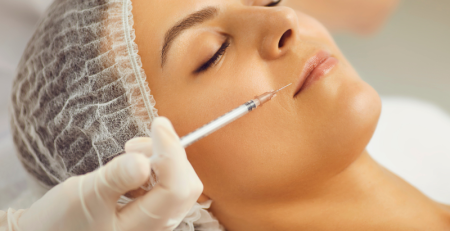
Neuromodulators include botulinum toxin type A products such as Botox, Dysport, Jeuveau, and Daxxify. These formulations work by blocking acetylcholine release at the neuromuscular junction, which prevents the muscle contractions responsible for dynamic wrinkles. This category of wrinkle treatment targets expression lines including crow’s feet around the eyes, horizontal forehead creases, and glabellar frown lines between the eyebrows. Results from neuromodulator injections typically become visible within three to five days, with full effects developing at approximately two weeks.
Among neuromodulators, product variations affect treatment planning. Daxxify utilizes peptide exchange technology designed to extend treatment duration beyond traditional formulations. Dysport features a molecular structure that spreads more diffusely across injection sites, making it suitable for broader treatment areas like the forehead. Botox maintains the most extensive clinical research history with established safety data across multiple aesthetic and medical applications.
Dermal fillers represent a separate wrinkle treatment approach focused on volume restoration rather than muscle relaxation. Hyaluronic acid-based fillers including Juvéderm, Restylane, and Belotero attract and bind water molecules to add volume beneath the skin surface. These products address static wrinkles such as nasolabial folds, marionette lines, and vertical lip lines. Alternative filler formulations include calcium hydroxylapatite (Radiesse) and poly-L-lactic acid (Sculptra), which stimulate collagen production to provide gradual volumization.
Treatment selection depends on wrinkle characteristics. Dynamic lines that deepen with facial movement respond to neuromodulators. Static wrinkles present at rest benefit from volume replacement with dermal fillers. Combination approaches address both muscle activity and structural volume loss for comprehensive facial rejuvenation.

Laser and Light-Based Wrinkle Reduction Options

Laser wrinkle treatment works by delivering controlled thermal energy to skin tissue, triggering collagen remodeling and cellular regeneration that smooths texture and reduces line depth. Ablative lasers remove the outer skin layers entirely, producing improvement in moderate to severe wrinkles with seven to fourteen days of healing accompanied by redness and peeling. Fractional ablative devices create microscopic treatment zones surrounded by untreated skin, accelerating recovery while achieving collagen tightening for wrinkles around the mouth, eyes, and cheeks.
Non-ablative lasers heat dermal tissue without removing the epidermis, making them suitable for patients who need minimal downtime. These treatments require multiple sessions spaced four to six weeks apart, with gradual fine line improvement becoming visible as new collagen accumulates. Non-ablative fractional lasers require three to five treatments, with optimal results in patients who maintain sun protection between sessions.
Intense pulsed light and broadband light devices target pigment and vascular irregularities that accompany photoaged skin, improving texture and tone. While not direct wrinkle erasers, these light-based treatments address the discoloration and uneven skin quality that emphasize lines on the chest, hands, and face. Pulsed dye laser technology reduces redness from broken capillaries that can accentuate wrinkle shadows.
Radiofrequency devices deliver electromagnetic energy to heat deep dermis and subcutaneous tissue, stimulating collagen contraction and production without chromophore targeting. Microneedling with radiofrequency combines physical injury from needles with thermal energy for collagen remodeling. These modalities work for patients with darker skin types and for treating skin laxity with superficial wrinkling on the neck and jawline. Treatment series typically span three to six sessions, with continued improvement for up to six months as collagen matures.
At-Home Skincare Solutions for Fine Line Prevention and Treatment
Prescription-strength topical retinoids stand as the most extensively studied at-home wrinkle treatment, backed by decades of clinical research demonstrating their capacity to accelerate cellular turnover, boost collagen synthesis, and address photoaging signs. Tretinoin, the original prescription retinoid, works through retinoic acid receptor activation to increase epidermal thickness and diminish wrinkle depth. Clinical studies document that consistent nightly application for six to twelve months yields measurable improvements in fine lines around the eyes and mouth, though these benefits diminish if treatment discontinues. Alternative prescription formulations such as adapalene and tazarotene deliver comparable wrinkle reduction with reduced irritation for certain skin types.
Over-the-counter retinol products contain a vitamin A precursor that the skin converts to retinoic acid, providing gentler but meaningful wrinkle treatment when applied consistently at 0.5% to 1.0% concentrations. Retinaldehyde occupies a middle position in the retinoid spectrum, requiring one fewer conversion step than retinol and serving as an alternative for those who experience irritation with tretinoin. All retinoid formulations necessitate diligent sun protection due to increased photosensitivity, as UV exposure undermines their anti-aging effects.
Topical hyaluronic acid serums deliver immediate but short-term fine line improvement by attracting moisture into the epidermis, enhancing hydration and creating a smoother surface appearance. These surface-acting formulations differ from injectable hyaluronic acid fillers and require daily application to sustain results. Pairing hyaluronic acid with occlusive moisturizers helps prevent water loss and maximizes hydration benefits as part of a layered wrinkle treatment approach.
Alpha hydroxy acids including glycolic acid and lactic acid exfoliate surface cells to reveal fresher skin and progressively improve fine line appearance with continued use. Home-use products containing 8% to 12% AHA concentrations provide mild resurfacing effects. Peptide serums featuring molecules such as palmitoyl pentapeptide target collagen stimulation, while antioxidant formulations with vitamin C, vitamin E, and ferulic acid defend against oxidative stress that contributes to wrinkle formation. These antioxidants function as preventive agents, particularly when combined with broad-spectrum SPF 30 or higher sunscreen.
Minimally Invasive Procedures: Microneedling, Chemical Peels, and Microdermabrasion
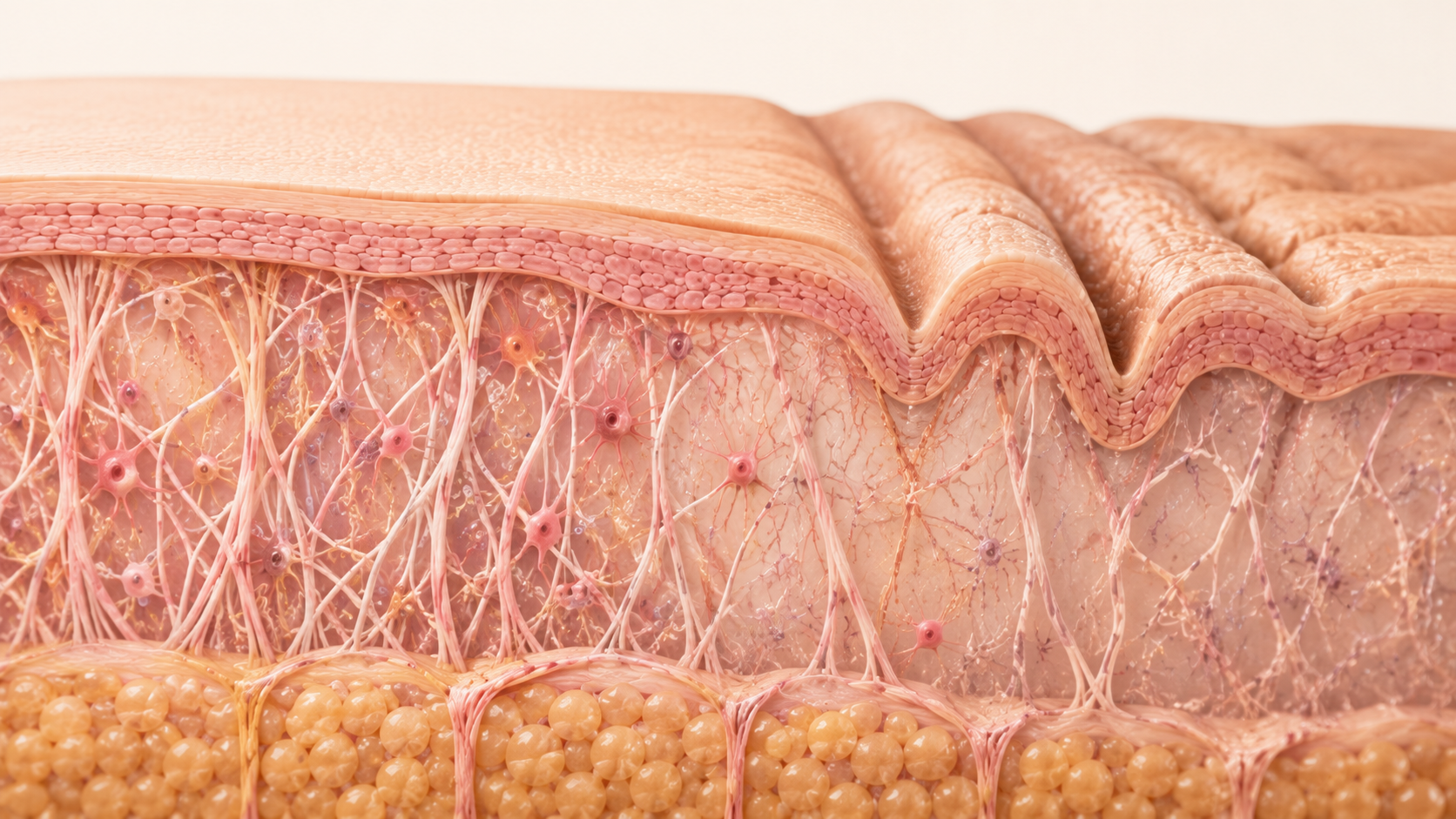
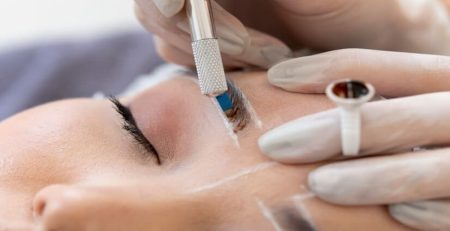
Microneedling creates controlled micro-injuries using fine needles that penetrate the dermis to depths of 0.5 mm to 2.5 mm, triggering wound healing cascades that produce new collagen and elastin. This mechanical stimulation improves skin texture, reduces fine line depth, and enhances topical product absorption when performed in a series of three to six treatments spaced four weeks apart. Microneedling with platelet-rich plasma (PRP) combines the patient’s own growth factors with needling injury to amplify collagen remodeling.
When performed with appropriate needle depth and sterile technique, microneedling produces minimal downtime—typically 24 to 48 hours of redness and mild swelling. Results develop gradually over two to six months as dermal remodeling progresses, with optimal outcomes in fine to moderate wrinkles rather than deep creases. Radiofrequency microneedling adds thermal energy to the mechanical injury, creating more pronounced collagen tightening suitable for skin laxity and deeper lines.
Chemical peels use acid formulations to remove outer skin layers and stimulate regeneration, with depth categories ranging from superficial to deep. Superficial peels using glycolic acid, salicylic acid, or lactic acid exfoliate the epidermis to improve texture and brightness with no true downtime, requiring multiple treatments for modest fine line improvement. Medium-depth peels with trichloroacetic acid (TCA) at concentrations of 20% to 35% penetrate into the papillary dermis, producing visible peeling for five to seven days and more substantial wrinkle reduction after healing completes. Deep phenol peels dramatically remodel severely photodamaged skin but involve significant recovery and procedural risks.
Microdermabrasion mechanically exfoliates using fine crystals or a diamond-tipped wand, removing dead surface cells to reveal smoother skin beneath. This wrinkle treatment addresses dull texture and very superficial fine lines but lacks the dermal penetration necessary to address moderate wrinkles. It serves as a gentler entry point for patients new to professional skin treatments or as maintenance between more intensive procedures. Combining microdermabrasion with topical retinoids and sun protection enhances overall skin quality.
Combination Treatment Approaches for Comprehensive Wrinkle Correction

Wrinkle treatment protocols that combine multiple modalities address different aging mechanisms in the skin. A structured approach typically begins with neuromodulator injections to address dynamic expression lines in the upper face. Practitioners then add dermal filler placement two weeks later to restore volume in areas showing static wrinkles and contour loss. This sequencing allows for assessment of which lines remain after muscle relaxation, enabling precise filler placement without distortion from muscle movement.
Energy-based treatments including laser resurfacing and radiofrequency devices target skin quality factors that injectables cannot correct, such as texture irregularity, enlarged pores, and underlying collagen structure. Scheduling these treatments four to six weeks after injectable procedures allows the wrinkle treatment plan to address both volume and surface concerns. Fractional laser treatments improve the skin foundation, creating enhanced results when combined with volume restoration techniques.
Prescription topical retinoids serve as a foundation for professional wrinkle treatment protocols. Tretinoin and adapalene support cell turnover and collagen production between in-office procedures. Starting retinoid use at least eight weeks before laser treatments prepares the skin and supports healing response. Discontinuing retinoid application three to five days before and after procedures reduces irritation risk while maintaining long-term collagen benefits.
Each wrinkle treatment component requires specific maintenance schedules. Neuromodulators need repeat injections every three to six months to maintain muscle relaxation effects. Hyaluronic acid fillers last six to eighteen months depending on the specific product and injection site. Laser treatments may require annual sessions after completing an initial series. Some practitioners incorporate preventive strategies for younger patients, using lower neuromodulator doses and selective laser treatments to slow wrinkle formation before significant static lines develop.
Recovery Time and Downtime Expectations Across Treatment Types
Recovery timelines for wrinkle treatment vary based on the procedure selected and individual healing patterns. Neuromodulator injections allow immediate return to normal activities, with minor bruising at injection sites resolving within three to five days. Applying ice after treatment and avoiding blood-thinning substances like aspirin, ibuprofen, and alcohol for 24 hours before and after injection minimizes bruising risk. Some patients experience mild headache during the first 24 hours, particularly with forehead treatments, but this rarely interferes with daily function.
Dermal filler injections involve minimal downtime, though swelling and bruising are more pronounced than with neuromodulators, especially around the eyes and lips. Most swelling subsides within 48 to 72 hours, while residual firmness or asymmetry may persist for up to two weeks as the product settles and integrates with tissue. Patients should avoid strenuous exercise, alcohol consumption, and salty foods for 24 to 48 hours after filler placement to minimize swelling.
Non-ablative laser and radiofrequency treatments produce mild to moderate redness and swelling for 24 to 48 hours, comparable to a sunburn sensation that resolves without peeling or crusting. Patients can apply makeup the following day and return to work immediately. Ablative fractional lasers create more intense healing with grid-pattern crusting that persists for five to seven days, requiring at-home care with gentle cleansers and occlusive ointments. Full ablative CO2 laser resurfacing demands ten to fourteen days of recovery with oozing, crusting, and significant redness that fades to pink over four to six weeks.
Chemical peel recovery correlates with depth: superficial peels produce light flaking for two to three days without visible peeling, medium TCA peels create skin shedding for five to seven days, and deep phenol peels require two weeks of wound care similar to ablative laser treatments. Microneedling produces 24 to 48 hours of redness and mild swelling, with visible pinpoint bleeding immediately after treatment that resolves within hours. Patients should avoid makeup, active skincare ingredients, and sun exposure for at least 48 hours post-microneedling.
Evaluating Wrinkle Treatment Options: Efficacy, Longevity, and Considerations

Selecting the right wrinkle treatment depends on your aesthetic goals, skin condition, lifestyle, and budget. Each treatment category offers distinct advantages in terms of speed of results, longevity, and maintenance requirements.
Neuromodulator injections deliver rapid improvement for expression lines, with results visible within days and full smoothing developing over one to two weeks. These treatments last three to four months on average, requiring consistent appointments to maintain the wrinkle-smoothing effect. Dermal fillers provide immediate volume restoration that persists from several months to over a year depending on the product formulation and injection site, making them effective for static wrinkles caused by volume loss.
Laser resurfacing treatments work through collagen remodeling, a biological process that unfolds over weeks to months following the procedure. Ablative lasers that remove skin layers produce dramatic improvement but require longer recovery periods, while non-ablative options involve minimal downtime with more gradual enhancement. Results from laser treatments continue to develop for up to six months as new collagen forms within the dermis.
Prescription retinoids represent the foundation of any wrinkle treatment plan, working continuously to accelerate cell turnover and stimulate collagen production. While topical treatments require consistent application over months to produce visible changes, they address the underlying causes of skin aging rather than simply masking wrinkles temporarily.
Treatment selection should account for skin type, as certain procedures carry higher risks for specific complexions. Laser treatments require careful parameter adjustment based on melanin content to prevent pigmentation changes. Combination approaches that pair professional procedures with daily skincare often deliver superior outcomes compared to any single intervention.
Board-certified physicians at LA ViE MD evaluate your facial anatomy, skin condition, and aesthetic objectives to develop personalized wrinkle treatment protocols that prioritize both safety and efficacy.
Frequently Asked Questions (FAQs)
What is the best treatment for wrinkles and fine lines?
No single best wrinkle treatment exists for all patients, as optimal choice depends on wrinkle type, depth, and location. Neuromodulator injections like Botox work best for dynamic expression lines on the forehead and around eyes, while dermal fillers address static wrinkles with volume loss in the midface and around the mouth. Laser resurfacing provides the most dramatic improvement for moderate to severe sun-damaged skin with multiple wrinkle types, though it requires more recovery time than injectables. Most comprehensive results come from combining treatments that address muscle movement, volume loss, and skin quality simultaneously.
How do wrinkles develop and what causes them?
Wrinkles form through both intrinsic aging and extrinsic environmental damage. As skin ages, collagen and elastin production declines, causing loss of structural support and elasticity that allows skin to crease rather than bounce back. Repeated facial muscle contractions from expressions etch dynamic lines that eventually become static wrinkles visible at rest. Sun exposure accelerates wrinkle formation by generating free radicals that break down collagen fibers and damage DNA in skin cells. Additional contributing factors include smoking, which reduces blood flow and damages elastin, genetics that determine baseline skin structure, and hormonal changes that decrease skin thickness and hydration.
What is the difference between fine lines and deep wrinkles?
Fine lines are superficial creases visible primarily with facial movement or under certain lighting, affecting the epidermis and uppermost dermis. They typically appear first around the eyes, on the forehead, and above the upper lip, responding well to topical retinoids, superficial laser treatments, and preventive skincare. Deep wrinkles are established folds visible at rest that extend through multiple skin layers, often accompanied by volume loss in underlying fat pads. These require more intensive interventions such as dermal fillers to restore structural support, ablative laser resurfacing to rebuild collagen infrastructure, or surgical procedures for severe cases. Treatment selection depends on accurately distinguishing wrinkle depth through clinical examination.
How long do wrinkle treatments last and are they permanent?
Most wrinkle treatments provide temporary improvement requiring periodic maintenance rather than permanent correction. Neuromodulator injections last three to six months before muscle activity gradually returns, while hyaluronic acid fillers maintain volume for six to eighteen months depending on product type and injection site. Biostimulatory fillers can last up to two years as they stimulate collagen production. Laser resurfacing results persist one to three years as newly generated collagen slowly degrades through normal aging processes, though significant sun damage or poor skincare can shorten duration. Only prescription retinoids offer sustained benefit as long as consistent use continues, actively preventing new wrinkle formation rather than temporarily correcting existing lines.
Which wrinkle treatment has the fastest results?
Dermal fillers provide the most immediate wrinkle reduction, with volumizing effects visible as soon as swelling from injection subsides within 24 to 48 hours. Neuromodulator injections like Botox show initial smoothing within three to five days, reaching peak effect at two weeks once muscle relaxation fully develops. Laser treatments and chemical peels require weeks to months for collagen remodeling and skin regeneration to produce visible improvement, making them slower but potentially longer-lasting options. For patients seeking the fastest correction before an event, strategic filler placement offers same-day improvement, though minor bruising or swelling may require concealer for a few days following treatment.
Medical Disclaimer: This content is for educational purposes only and is not a substitute for personalized medical advice. Individual results vary. Schedule a consultation with Dr. Neetu Nebhwani at LA ViE MD to determine the best treatment for your skin or wellness goals.