Chemical Peel or Laser for Skin Resurfacing? How to Choose the Right Treatment
Deciding between a chemical peel or laser for skin resurfacing is one of the most common questions patients ask when seeking treatment for aging skin, acne scars, or pigmentation concerns. Both approaches address skin texture, tone irregularities, and visible signs of aging, yet they achieve these improvements through fundamentally different mechanisms. Chemical peels use controlled chemical solutions to exfoliate damaged surface layers, while laser treatments deliver focused light energy to resurface skin at varying depths. Understanding the distinctions between these modalities—including how each works, which skin concerns they target most effectively, and what recovery entails—helps patients make informed decisions aligned with their aesthetic goals, lifestyle, and skin type.
Neither option is universally superior; effectiveness depends on individual factors such as the specific concern being addressed, skin tone, tolerance for downtime, and the desired intensity of correction. Some patients achieve optimal results with chemical peels for certain concerns, others benefit most from laser resurfacing, and many find that a strategic combination of both treatments delivers comprehensive improvement. The choice also involves practical considerations including session requirements, recovery timelines, and how each modality interacts with different skin types and sensitivities.
At LA ViE MD, aesthetic specialists across the Bay Area locations in Danville, Dublin, Livermore, and Los Gatos evaluate each patient’s unique skin characteristics and concerns to recommend the most appropriate resurfacing approach. This guide examines the key decision factors—from treatment mechanisms and skin concern suitability to downtime expectations and combination strategies—so you can approach your consultation with a clear understanding of what chemical peels and laser resurfacing offer and which path may align best with your needs.
How Chemical Peels and Laser Resurfacing Work: Treatment Mechanisms Compared
The fundamental difference between chemical peels and laser resurfacing lies in how each treatment interacts with skin tissue. Chemical peels apply acid-based solutions—typically glycolic, salicylic, trichloroacetic acid (TCA), or phenol—that create controlled chemical injury to the epidermis and, depending on peel strength, the upper dermis. These solutions break down bonds between dead skin cells and stimulate exfoliation, prompting the body to shed damaged layers and generate fresh, healthier skin. Peel depth categories (light, medium, deep) and laser customization options for different skin types determine how deeply the chemical solution penetrates, with light peels affecting only the outermost epidermis and deep peels reaching the papillary dermis to address more significant structural concerns.
Laser resurfacing, by contrast, uses concentrated beams of light energy to vaporize microscopic columns of skin tissue or heat the dermis to trigger collagen remodeling. Ablative lasers such as CO2 and erbium remove thin layers of skin in a precisely controlled manner, creating micro-injuries that stimulate wound healing and collagen production. Non-ablative lasers penetrate beneath the skin surface without removing tissue, heating deeper layers to encourage collagen synthesis while leaving the epidermis intact. Fractional laser technology delivers energy in a pixelated pattern, treating only a fraction of the skin in each session and leaving surrounding tissue untouched to facilitate faster healing.
Both modalities rely on the body’s natural wound-healing response to improve skin quality, but the pathways differ. Chemical peels initiate exfoliation and regeneration through biochemical disruption of cellular adhesion, while lasers achieve resurfacing through photothermal interaction—light energy converted to heat that ablates or remodels tissue. How skin tightening and collagen stimulation compare between treatments reveals that deeper ablative lasers and deep chemical peels both stimulate significant collagen remodeling, whereas lighter treatments in each category primarily address surface texture and pigment with minimal dermal impact. Understanding these mechanisms helps clarify why certain concerns respond better to one treatment over the other and why intensity within each category significantly influences outcomes.

Matching Treatments to Skin Concerns: Acne Scars, Wrinkles, Pigmentation, and Texture
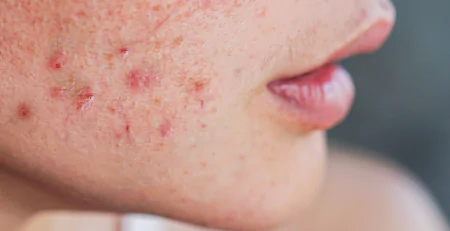
Skin concern type is often the primary determinant in comparing chemical peels and laser resurfacing options. For acne scars, particularly atrophic scars with depth and textural irregularity, ablative fractional lasers typically offer more substantial remodeling of scar architecture. The focused energy penetrates to the mid-dermis, stimulating collagen production that gradually fills depressed scars and smooths irregular contours. Non-ablative fractional lasers also address mild to moderate scarring with less downtime, though typically require more sessions. Chemical peels can improve superficial acne scarring and post-inflammatory hyperpigmentation associated with acne, but deeper pitted or rolling scars often respond more favorably to laser resurfacing.
For fine lines and wrinkles, both treatments prove effective, though the approach differs. Medium-depth chemical peels containing TCA can reduce perioral lines, crow’s feet, and mild forehead wrinkles by promoting epidermal turnover and stimulating dermal collagen. Deep phenol peels offer dramatic wrinkle reduction but involve significant recovery and are used less frequently in modern practice. Ablative lasers such as CO2 provide substantial wrinkle improvement by tightening skin and remodeling collagen, while non-ablative lasers offer gradual enhancement with minimal downtime. Treatment-depth matching to specific skin concerns and recovery expectations indicates that moderate to severe wrinkles often benefit most from ablative laser resurfacing, whereas patients seeking mild improvement with less recovery may achieve satisfactory results with medium peels or non-ablative lasers.
Pigmentation disorders including melasma, solar lentigines, and post-inflammatory hyperpigmentation respond well to both modalities, though patient selection is critical. Light to medium chemical peels using glycolic acid, salicylic acid, or TCA effectively exfoliate pigmented cells and inhibit melanin production. However, darker skin tones face increased risk of post-inflammatory hyperpigmentation with aggressive chemical peels. For pigmentation concerns in patients with darker skin, non-ablative fractional lasers or specific wavelengths designed for pigment targeting may offer safer alternatives. Overall skin texture improvement—addressing roughness, enlarged pores, and dullness—can be achieved with either treatment, with light peels providing surface smoothing and gentle exfoliation, while fractional lasers create more comprehensive textural refinement through collagen remodeling.
Downtime and Recovery Expectations: What to Anticipate After Each Treatment
Recovery timelines differ significantly between chemical peel vs laser resurfacing, influenced by treatment depth and intensity. Light chemical peels typically produce mild redness and flaking for three to five days, with most patients resuming normal activities immediately or within one day. The skin may appear slightly pink and feel tight, with visible peeling that can be managed with moisturizer. Medium-depth peels create more pronounced swelling and peeling that lasts five to seven days, with redness persisting for several weeks. Patients often plan social downtime around these treatments, as the peeling phase is visibly apparent. Deep chemical peels, rarely performed today, require weeks of recovery with significant swelling, crusting, and prolonged redness.
Ablative laser resurfacing downtime varies based on treatment intensity and coverage. Fully ablative CO2 or erbium laser treatments involve seven to fourteen days of initial healing, with oozing, crusting, and significant redness that gradually resolves over several weeks to months. Fractional ablative lasers reduce downtime to approximately five to seven days by treating only a portion of the skin surface, allowing faster re-epithelialization. Non-ablative laser treatments produce minimal visible downtime—typically one to three days of mild redness and swelling—making them popular for patients who cannot accommodate extended recovery periods. Fractional non-ablative devices may cause temporary darkening of pigmented areas that flakes off within a week.
Immediate post-treatment effects also differ. Chemical peels often cause a frosting or whitening appearance during application, followed by tightness and gradual flaking as damaged skin sheds. Laser-treated skin may exhibit pinpoint bleeding (with ablative treatments), immediate swelling, and a sunburn-like sensation. Both treatments require diligent sun protection during healing, as newly resurfaced skin is highly vulnerable to UV damage and hyperpigmentation. Patients should expect several weeks before makeup can fully conceal residual redness, though mineral-based cosmetics may be permitted earlier in the healing process. Understanding these recovery nuances helps patients plan treatments around work schedules, social commitments, and personal tolerance for visible healing.

Skin Type Compatibility: Safety and Efficacy Across Different Tones and Sensitivities
Skin type and tone significantly influence treatment selection and safety considerations when choosing between chemical peels and laser resurfacing. The Fitzpatrick skin type scale, which classifies skin from type I (very fair, always burns) to type VI (very dark, never burns), guides practitioners in assessing risk for post-inflammatory hyperpigmentation and other complications. Lighter skin types (I-III) generally tolerate both chemical peels and laser treatments well, with lower risk of pigmentary changes. However, patients with darker skin tones (IV-VI) require more careful treatment selection to minimize the risk of dyschromia—either hyperpigmentation or hypopigmentation—that can occur when heat or chemical injury triggers melanocyte activity.
For darker skin tones, chemical peels using lower concentrations of TCA or superficial acids with careful monitoring offer predictable results for pigmentation concerns and texture improvement. Medium-depth peels and deep peels carry higher risk in these patients and are typically avoided or performed with extreme caution. Among laser options, non-ablative fractional lasers with longer wavelengths that bypass melanin and target water or hemoglobin in the dermis prove safer for darker skin. Ablative lasers, particularly aggressive CO2 treatments, pose significant hyperpigmentation risk in skin types IV and above. Some laser platforms incorporate melanin-protective technologies or lower energy settings to expand safe treatment options, but conservative approach remains essential.
Sensitive skin, rosacea-prone complexions, and patients with active inflammatory conditions present additional considerations. Chemical peels can exacerbate redness and irritation in rosacea patients if not carefully formulated, though gentle lactic acid or mandelic acid peels may be tolerated. Non-ablative lasers targeting vascular components can actually improve rosacea symptoms, while ablative treatments may trigger prolonged erythema. Individuals with a history of keloid formation, active infections, or autoimmune conditions affecting healing require thorough evaluation before either treatment. Comprehensive FAQs covering effectiveness for various skin concerns and skin type considerations emphasize the importance of personalized assessment, as skin type compatibility extends beyond tone to include healing capacity, sensitivity, and individual response patterns.
Session Requirements and Results Timeline: Immediate vs Gradual Improvement
The number of treatment sessions and timeline to visible results differ notably between chemical peel vs laser resurfacing approaches. Light chemical peels typically require a series of four to six treatments spaced two to four weeks apart to achieve cumulative improvement in texture, tone, and radiance. Each session produces subtle enhancement, with full results becoming apparent after completing the series and allowing several weeks for cellular turnover. Medium-depth chemical peels may deliver more noticeable improvement in a single session, though some concerns benefit from two to three treatments spaced several months apart. Deep chemical peels are generally one-time treatments that produce dramatic results but are infrequently used due to their intensive recovery requirements.
Ablative laser resurfacing often achieves significant improvement in one to two sessions, with results continuing to develop over three to six months as collagen remodeling progresses. A single aggressive CO2 laser treatment can produce substantial wrinkle reduction and textural refinement, though some practitioners prefer a series of less-intense fractional treatments to balance results with downtime. Non-ablative laser treatments typically require three to five sessions scheduled four to six weeks apart, with gradual collagen stimulation yielding progressive improvement over several months. Patients may notice some immediate skin tightening, but the most significant changes emerge as new collagen forms and skin architecture remodels.
Maintenance considerations also factor into long-term planning. Light chemical peels can be repeated regularly—monthly or quarterly—to maintain skin clarity and smooth texture. Medium peels are often performed annually or semi-annually as part of an ongoing aesthetic maintenance program. Laser resurfacing results tend to last longer, with significant improvements persisting for several years, though natural aging continues. Some patients schedule touch-up laser sessions every one to two years, while others transition to maintenance chemical peels between more intensive laser treatments. Understanding these timelines helps patients set realistic expectations and commit to the treatment schedule required for optimal outcomes, whether that involves multiple quick sessions with minimal downtime or fewer intensive treatments with longer recovery periods.

Ablative vs Non-Ablative Lasers and Light, Medium, Deep Peel Categories
Within both chemical peel and laser resurfacing categories, treatment intensity exists on a spectrum, and understanding these gradations clarifies which option aligns with specific goals and tolerance for downtime. Chemical peels are classified by depth: light peels (superficial) penetrate only the epidermis using alpha-hydroxy acids like glycolic or lactic acid, or beta-hydroxy acids like salicylic acid. These treatments address dullness, mild texture issues, and superficial pigmentation with minimal peeling and no downtime. Medium-depth peels using higher-concentration glycolic acid or TCA penetrate to the papillary dermis, treating fine lines, moderate pigmentation, and textural irregularities with more pronounced peeling and several days of social downtime. Deep peels using phenol or high-concentration TCA reach the reticular dermis, dramatically improving severe wrinkles and sun damage but requiring extensive recovery and carrying significant risks.
Laser resurfacing similarly spans intensity levels. Non-ablative lasers heat dermal tissue without removing the epidermis, stimulating collagen production while preserving surface integrity. These treatments address fine lines, mild laxity, and texture with minimal downtime—redness lasting one to three days—but require multiple sessions for optimal results. Fractional non-ablative lasers create microscopic treatment zones that enhance efficacy while maintaining the rapid recovery profile. Ablative lasers remove the epidermis and variable amounts of dermis in a controlled manner: erbium lasers provide precise, relatively shallow ablation with faster healing, while CO2 lasers penetrate deeper for more aggressive wrinkle reduction and tightening but involve longer recovery. Fractional ablative lasers represent a middle ground, delivering ablative injury to a fraction of the skin, which reduces downtime to approximately one week while still achieving substantial improvement.
The decision between ablative and non-ablative laser options or light, medium, and deep chemical peels depends on balancing desired correction against acceptable recovery time and risk tolerance. Patients seeking significant transformation of moderate to severe concerns typically require medium to deep treatments—whether medium-depth peels or ablative lasers—and must accept corresponding downtime. Those with mild concerns or limited ability to accommodate recovery may achieve satisfactory improvement with light peels or non-ablative lasers, understanding that results will be more subtle and may require multiple sessions. Practitioners often recommend starting conservatively and intensifying treatment as needed, particularly for patients new to resurfacing procedures or those with sensitive skin.
Combination Approaches: When Both Treatments Work Better Together
Rather than viewing chemical peels and laser resurfacing as competing alternatives, many aesthetic specialists recognize that combining both modalities can deliver superior, more comprehensive results than either treatment alone. Strategic sequencing addresses different aspects of skin aging and damage: lasers excel at remodeling dermal collagen and addressing deeper structural concerns like wrinkles and atrophic scars, while chemical peels effectively target epidermal issues such as pigmentation, fine texture, and surface renewal. When used together, these complementary mechanisms create layered improvement that enhances overall skin quality.
One common approach involves performing laser resurfacing to address foundational concerns—collagen stimulation, scar remodeling, or significant wrinkle reduction—followed by a series of light to medium chemical peels to refine surface texture, tone, and pigmentation. This sequence allows the more intensive laser treatment to remodel deeper tissue, then uses peels to optimize epidermal quality and maintain results. Conversely, some protocols begin with chemical peels to improve surface condition and pigmentation before proceeding to laser treatments, particularly when hyperpigmentation might complicate laser healing or when the skin requires preparation for more aggressive resurfacing.
Combination treatments can also be performed in the same session when carefully planned. For example, a fractional non-ablative laser might be paired with a light chemical peel to address both dermal collagen and epidermal texture simultaneously, with the peel enhancing penetration of subsequent topical treatments and promoting exfoliation while the laser stimulates deeper remodeling. Another strategy involves alternating treatments: a patient might receive laser resurfacing sessions twice yearly for structural concerns while maintaining skin quality with chemical peels quarterly between laser appointments. This maintenance approach sustains improvements and addresses emerging concerns before they become significant.
Patient-specific factors determine whether combination approaches are appropriate. Those with multiple concerns—such as both acne scarring and melasma, or simultaneous wrinkles and sun damage—often benefit most from integrated treatment plans. Practitioners evaluate skin type, healing capacity, lifestyle constraints, and treatment goals to design protocols that maximize results while managing cumulative downtime and ensuring safe healing between procedures. The specialists at LA ViE MD frequently develop personalized combination protocols for patients across their Danville, Dublin, Livermore, and Los Gatos locations, recognizing that comprehensive skin rejuvenation often requires addressing both superficial and deep tissue layers through complementary modalities.

Frequently Asked Questions (FAQs)
What is the difference between laser resurfacing and chemical peels?
The primary difference lies in the mechanism: chemical peels use acid-based solutions to chemically exfoliate damaged skin layers, while laser resurfacing uses focused light energy to vaporize or heat skin tissue. Chemical peels work through biochemical disruption of cellular bonds, whereas lasers achieve resurfacing through photothermal interaction. Both stimulate skin renewal and collagen production but through fundamentally different pathways, which influences their effectiveness for specific concerns, recovery timelines, and suitability for different skin types.
Which is better for acne scars: chemical peel or laser?
Laser resurfacing, particularly fractional ablative lasers, typically proves more effective for moderate to severe atrophic acne scars because the focused energy penetrates to the mid-dermis to remodel scar architecture and stimulate collagen that fills depressed areas. Chemical peels can improve superficial scarring and post-inflammatory hyperpigmentation associated with acne, but deeper pitted or rolling scars generally respond better to laser treatments. The choice depends on scar type, depth, and individual skin characteristics, which should be evaluated during consultation.
What is the downtime for laser resurfacing vs chemical peel?
Downtime varies significantly based on treatment intensity. Light chemical peels involve three to five days of mild flaking with minimal social downtime, while medium peels require five to seven days of visible peeling. Non-ablative laser treatments produce one to three days of redness, whereas fractional ablative lasers involve approximately five to seven days of healing, and fully ablative CO2 laser resurfacing requires seven to fourteen days of initial recovery with prolonged redness. The specific treatment depth and type determine actual recovery timelines.
Can chemical peels and laser treatments be used together?
Yes, chemical peels and laser treatments can be effectively combined to address different layers and aspects of skin concerns. Many patients achieve superior results through strategic sequencing—such as laser resurfacing for deeper collagen remodeling followed by chemical peels for surface refinement—or alternating treatments as part of a comprehensive maintenance program. Some protocols even pair treatments in a single session when carefully planned. Combination approaches allow practitioners to address both epidermal concerns like pigmentation and deeper structural issues like wrinkles or scars for more comprehensive rejuvenation.
Which treatment is better for wrinkles and fine lines?
Both chemical peels and laser resurfacing can effectively reduce wrinkles, though the approach differs by severity. Medium-depth chemical peels improve fine to moderate lines through exfoliation and dermal collagen stimulation. Ablative laser resurfacing typically delivers more dramatic improvement for moderate to severe wrinkles through tissue tightening and substantial collagen remodeling, while non-ablative lasers offer gradual enhancement with minimal downtime. The choice between chemical peel or laser for wrinkles depends on wrinkle depth, desired degree of improvement, and tolerance for recovery time.
Is laser resurfacing or chemical peel better for dark spots and pigmentation?
Both treatments address pigmentation effectively, but selection depends on skin tone and pigmentation type. Light to medium chemical peels using glycolic, salicylic, or TCA effectively treat solar lentigines, melasma, and post-inflammatory hyperpigmentation through exfoliation and melanin inhibition. However, darker skin tones may experience safer outcomes with non-ablative fractional lasers or specific wavelengths targeting pigment, as aggressive chemical peels carry higher risk of post-inflammatory hyperpigmentation in these patients. Individual skin type assessment is essential for determining the safest, most effective approach for pigmentation concerns.
Medical Disclaimer: This content is for educational purposes only and is not a substitute for personalized medical advice. Individual results vary. Schedule a consultation with LA ViE MD to determine which options may be appropriate for your goals.