GLP-1 Pills vs. Injections: How they compare, What’s Different?
Medical weight management is evolving, and patients now have more treatment options than ever before.
GLP-1 medications have changed the conversation around weight management by offering a medically supervised way to support appetite regulation, improve metabolic health, and achieve meaningful weight reduction in eligible patients.
For years, injectable medications such as semaglutide and tirzepatide have attracted significant attention. Now, with the availability of newer oral GLP-1 treatments, an important question is becoming increasingly common:
Are GLP-1 pills as effective as injections for weight loss?
While both treatment approaches influence appetite and metabolic signaling, they differ in how they are administered, how frequently they are taken, and which medications and doses are available.
Understanding these differences can help you have a more informed conversation with your healthcare provider.

What Are GLP-1 Medications and How Do They Work?
GLP-1 stands for glucagon-like peptide-1, a hormone naturally produced in the digestive system.
This hormone helps regulate blood sugar, appetite, and digestion. After eating, GLP-1 signals the body to release insulin when blood glucose is elevated, influences feelings of fullness, and slows the rate at which food leaves the stomach.
GLP-1 receptor agonist medications mimic some of these effects.
How GLP-1 Medications Support Weight Management
These medications may help by:
- Reducing appetite: Supporting feelings of fullness and helping manage hunger.
- Increasing satiety: Making it easier for some individuals to feel satisfied with smaller meals.
- Slowing gastric emptying: Allowing food to remain in the stomach longer, particularly during early treatment.
- Supporting blood sugar regulation: Helping improve glucose control in appropriate patients.
- Reducing overall calorie intake: Supporting dietary changes that contribute to weight reduction.
GLP-1 medications do not directly melt body fat or eliminate the need for balanced nutrition and physical activity.
Instead, they act on biological pathways involved in appetite and metabolism, potentially making long-term weight management more achievable for eligible individuals.
What Are GLP-1 Weight Loss Pills?
Oral GLP-1 medications are prescription tablets that deliver GLP-1-based treatment without requiring an injection.
One of the most significant developments in this category was the FDA approval of oral Wegovy (semaglutide) for chronic weight management in December 2025.
This expanded the available options for adults who meet the medication’s eligibility criteria and prefer oral treatment.
Other oral semaglutide products, including Rybelsus, are prescribed for specific type 2 diabetes indications. Not every oral GLP-1 product is approved specifically for weight management.
How Do GLP-1 Pills Work?
Oral semaglutide works through GLP-1 receptors, similar to injectable semaglutide.
However, because the medication must be absorbed through the digestive system, its formulation and administration requirements differ.
For example, FDA-approved oral Wegovy must be taken:
- Once daily in the morning
- On an empty stomach
- With no more than four ounces of plain water
- At least 30 minutes before food, other beverages, or other oral medications
These instructions matter because food, beverages, and timing can affect medication absorption.
Limitations of GLP-1 Pills
Oral GLP-1 medications also have practical considerations.
They generally require consistent daily dosing and specific fasting instructions. Missing doses or taking medication incorrectly may interfere with treatment consistency.
Additionally, oral products differ in their approved indications, dosing, and clinical evidence. One oral semaglutide product should not be assumed to be interchangeable with another.

What Are Injectable GLP-1 Medications?
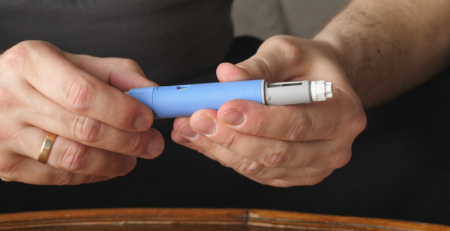
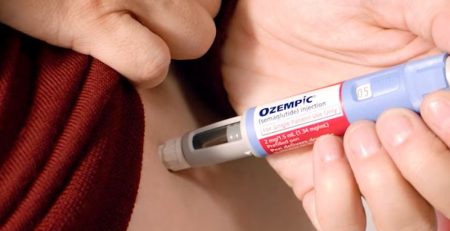
Injectable GLP-1 medications are prescription treatments administered beneath the skin.
Several widely used injectable treatments are administered once weekly, although some GLP-1 medications follow different schedules.
Well-known examples include semaglutide injections and tirzepatide injections.
Semaglutide acts on GLP-1 receptors, while tirzepatide activates both GLP-1 and glucose-dependent insulinotropic polypeptide (GIP) receptors.
This distinction is important because tirzepatide is a dual-receptor medication rather than a GLP-1-only receptor agonist.
How Do GLP-1 Injections Work?
Injectable treatments deliver medication into the tissue beneath the skin, where it is absorbed into the bloodstream.
For weekly medications, their formulation and pharmacologic properties allow the medication to remain active over an extended period.
Many approved injectable therapies are administered in the abdomen, thigh, or upper arm, following the specific product instructions.
Limitations of GLP-1 Injections
Some individuals experience discomfort or anxiety about injections.
Other considerations may include injection-site reactions, medication storage requirements, training in proper administration, and access to ongoing prescriptions.
Like oral medications, injections can cause adverse effects and require appropriate medical supervision.
GLP-1 Pills vs. Injections: Which Is More Effective for Weight Loss?
Effectiveness is often the deciding factor for patients exploring medical weight management.
Clinical studies show that both oral and injectable treatments can produce meaningful weight reduction. However, comparing results requires considering the exact medications, doses, study populations, and treatment durations.
GLP-1 Pills vs. Injections: Side Effects and Safety
Because oral and injectable GLP-1 medications influence similar biological pathways, many side effects overlap.
Common Side Effects
Possible side effects include:
- Nausea
- Vomiting
- Diarrhea
- Constipation
- Abdominal discomfort
- Bloating or indigestion
- Reduced appetite
Gastrointestinal symptoms commonly occur during treatment initiation or dose increases and may improve over time.
Which Is More Convenient: A Daily Pill or a Weekly Injection?
Convenience involves more than avoiding needles.
For some individuals, swallowing a tablet every morning feels easier and less intimidating than administering an injection.
For others, a once-weekly injection may be more convenient because it does not require daily medication timing.
Consider two different routines.
A patient with a predictable morning schedule may find it manageable to take oral semaglutide on an empty stomach, wait before breakfast, and follow the same process every day.
A patient with irregular mornings or multiple daily medications may prefer the flexibility of a weekly injection.
Neither preference is wrong.
The best approach is one that aligns with the medication’s requirements and the patient’s ability to follow the prescribed schedule consistently.
Who May Be a Candidate for GLP-1 Medical Weight Management?
Prescription weight management medication may be considered for adults meeting certain medical criteria.
For many FDA-approved obesity medications, typical eligibility criteria include:
A body mass index (BMI) of 30 or higher, or
A BMI of 27 or higher with at least one weight-related medical condition
Eligibility varies by medication and indication, and BMI alone does not determine whether treatment is appropriate.
A clinical evaluation should also consider metabolic health, medical history, current medications, contraindications, and overall health goals.
GLP-1 medications are not intended as a casual solution for losing a few pounds for cosmetic purposes.
They are prescription treatments that require medical evaluation and ongoing management.
GLP-1 Pills vs. Injections: Which One Should You Choose?
The choice between pills and injections should depend on more than convenience or popularity.
Oral GLP-1 medication may appeal to patients who prefer avoiding needles, can follow consistent fasting instructions, and meet the criteria for an approved oral treatment.
Injectable treatment may appeal to patients who prefer weekly dosing, have difficulty maintaining a daily oral schedule, or may benefit from a specific injectable medication based on their clinical needs.
Neither option is universally superior.
Both approaches require realistic expectations, appropriate medical screening, and ongoing attention to nutrition, physical activity, and overall health.
If you’re exploring GLP-1 treatment, a consultation can help you discuss your options, understand potential benefits and risks, and determine whether prescription-based weight management is appropriate for you.
Ready to explore a personalized approach to weight management? At LA ViE MD, we recognize that weight management is personal.
Every individual has different health concerns, medical histories, and goals. Understanding available treatment options is an important part of making informed decisions.

Frequently Asked Questions About GLP-1 Pills vs. Injections
1. Are GLP-1 pills as effective as injections?
Some oral GLP-1 regimens have demonstrated substantial weight loss in clinical trials. Effectiveness depends on the specific medication, dose, and individual response. It is inaccurate to say that all pills are equivalent to all injections.
2. Is there an FDA-approved GLP-1 pill for weight loss?
Yes. The FDA approved oral Wegovy (semaglutide) for chronic weight management in December 2025 for eligible adults.
3. Do GLP-1 pills work faster than injections?
Not necessarily. Both treatment approaches typically involve gradual dose increases, and weight loss develops over time. The rate of response varies.
4. Are GLP-1 pills safer than injections?
Not automatically. Oral and injectable formulations may share important side effects, contraindications, and safety warnings. Avoiding injections does not eliminate medication-related risks.
5. Do GLP-1 pills have fewer side effects?
Not necessarily. Both may cause gastrointestinal effects such as nausea, constipation, vomiting, or diarrhea. The frequency and severity depend on the medication, dose, and individual patient.
6. Can I switch from a GLP-1 injection to a pill?
Switching may be possible in certain circumstances, but it must be supervised by a healthcare professional. Oral and injectable formulations are not interchangeable on a milligram-for-milligram basis.
7. Which option is better for someone afraid of needles?
An approved oral medication may be preferable for someone with needle anxiety, provided it is medically appropriate and the person can follow its daily administration requirements.
8. Do you regain weight after stopping GLP-1 medications?
Weight regain can occur after stopping treatment. Ongoing lifestyle support and individualized medical follow-up can help patients develop an appropriate long-term weight management strategy.
9. Can you take GLP-1 pills and injections together?
Combining GLP-1 therapies is generally not recommended and may increase the risk of adverse effects. Patients should follow their prescriber’s specific instructions.
10. How do I know whether GLP-1 treatment is right for me?
A qualified medical professional can review your medical history, medications, weight-related health concerns, and treatment goals to determine whether a prescription treatment is appropriate.
Medical Disclaimer:
This article is intended for educational and informational purposes only and should not be considered medical advice, diagnosis, or treatment recommendations. GLP-1 medications, including oral and injectable formulations, are prescription treatments that require evaluation and supervision by a qualified healthcare professional. Individual results, effectiveness, side effects, and treatment suitability may vary based on medical history, health conditions, and other factors. Not all medications or formulations discussed are necessarily available at LA ViE MD. FDA approval status and prescribing indications may differ by product. Always consult a licensed healthcare provider before starting, stopping, or changing any medication. LA ViE MD does not guarantee specific weight loss outcomes.