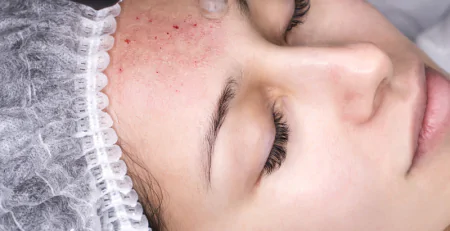
Dermaplaning or HydraFacial understanding what your skin actually needs?
Smooth, glowing, healthy-looking skin starts with understanding what your skin actually needs.
If you’ve been exploring professional facial treatments, chances are you’ve come across two popular options: Dermaplaning and HydraFacial. Both treatments can help refresh dull-looking skin, improve surface texture, and give your complexion a smoother appearance. However, they work differently and address different skincare priorities.
Dermaplaning focuses on physical exfoliation and removing fine facial hair, while HydraFacial combines exfoliation, pore cleansing, and hydration in one customizable treatment.
So, when comparing dermaplaning or HydraFacial, which one should you choose?
The answer depends on your skin type, concerns, and desired results. Let’s explore how these treatments work, their benefits, and what to consider before scheduling your next facial.
What Is Dermaplaning?
Dermaplaning is a noninvasive exfoliation treatment that uses a specialized sterile blade to gently remove dead skin cells and fine facial hair, commonly called peach fuzz, from the skin’s surface.
Over time, dead skin cells can accumulate, contributing to a rough or dull-looking complexion. Dermaplaning removes some of this buildup, revealing a smoother surface.

How Does Dermaplaning Work?
During a professional dermaplaning session, a trained provider carefully moves a sterile blade across the skin at a controlled angle.
This process removes:
Dead skin cells from the outermost skin layer
Fine vellus hair, also known as peach fuzz
Some surface buildup that contributes to uneven texture
After treatment, the skin may feel noticeably smoother, and makeup may apply more evenly.
Benefits of Dermaplaning
1. Smoother Skin Texture
By removing accumulated dead skin cells, dermaplaning can help reduce surface roughness and leave the skin feeling softer.
2. Removal of Peach Fuzz
Dermaplaning temporarily removes fine facial hair, creating a smoother-looking surface without changing the thickness or growth rate of the hair.
3. Brighter-Looking Complexion
Removing dead skin buildup may help dull skin appear fresher and more radiant.
4. Improved Makeup Application
Foundation and other cosmetic products may apply more evenly to freshly exfoliated skin.
5. Minimal Downtime for Many People
Most people can resume normal activities shortly after treatment, although temporary redness or sensitivity may occur.
Who May Benefit from Dermaplaning?
Dermaplaning may be a suitable option if your primary goals include removing peach fuzz, improving surface smoothness, and reducing a dull appearance.
However, it may not be appropriate for individuals experiencing active inflammatory acne, open wounds, irritated skin, or certain other skin conditions. A professional skin assessment is important before treatment.
What Is a HydraFacial?
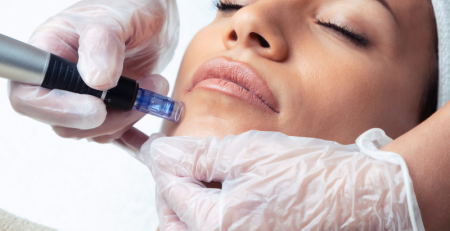
HydraFacial is a noninvasive, device-based facial treatment designed to cleanse, exfoliate, extract impurities, and hydrate the skin.
Unlike dermaplaning, which primarily addresses the skin’s surface through manual exfoliation, HydraFacial combines several skincare steps into a single treatment.
It uses specialized Vortex-Fusion technology to remove surface debris and support the delivery of hydrating skincare solutions.
How Does HydraFacial Work?
A typical HydraFacial involves three core treatment stages.
Step 1: Cleanse and Exfoliate
The provider gently cleanses the skin and removes dead surface cells. Depending on the treatment protocol, a mild exfoliating solution may also be used.
Step 2: Extract Impurities
The device uses controlled suction to help remove debris and buildup from pores.
Step 3: Hydrate and Nourish
Hydrating serums containing ingredients such as hyaluronic acid and antioxidants are applied through the device to leave the skin feeling refreshed and moisturized.
Depending on the selected treatment and individual needs, additional steps such as targeted boosters or LED light therapy may be available.
Benefits of HydraFacial
1. Hydration for Dry or Dehydrated Skin
HydraFacial combines exfoliation with moisturizing solutions, making it appealing to people looking for a refreshed, hydrated appearance.
2. Helps Address Congested Pores
The suction-based extraction step may help clear surface debris and pore buildup, contributing to a cleaner-looking complexion.
3. Improves the Appearance of Dull Skin
Gentle exfoliation combined with hydration can help skin appear brighter and smoother.
4. Supports Smoother-Looking Texture
By removing surface buildup and replenishing moisture, HydraFacial may temporarily improve the appearance of uneven texture and fine lines.
5. Customizable Skincare Experience
HydraFacial protocols can be tailored using different solutions and optional treatment enhancements, depending on skin concerns and professional assessment.
Who May Benefit from HydraFacial?
HydraFacial may be worth considering for individuals experiencing:
- Dryness or dehydration
- Dull or tired-looking skin
- Congested or clogged pores
- Uneven surface texture
- Mild concerns about visible fine lines
Although HydraFacial is often considered gentle, it is not automatically appropriate for every skin condition. Individuals with active infections, irritated skin, certain allergies, or a compromised skin barrier should consult a qualified provider before treatment.
Dermaplaning vs. HydraFacial: Which Is Better for Different Skin Concerns?
When choosing between these treatments, it helps to consider the specific concern you’re hoping to address.
For Dull Skin
Both treatments may improve the appearance of dullness through exfoliation.
Dermaplaning removes dead surface cells and fine facial hair, while HydraFacial combines exfoliation with hydration.
If your dullness is accompanied by noticeable dryness, HydraFacial may offer a more suitable combination of benefits.
For Dry or Dehydrated Skin
HydraFacial may be the more relevant option because hydration is a central part of the treatment.
Dermaplaning can improve surface smoothness but does not directly deliver a moisturizing treatment.
However, very dry, irritated, or compromised skin may require barrier-focused care before either procedure.
For Peach Fuzz and Makeup Preparation
Dermaplaning is generally the more suitable option.
Its ability to remove fine facial hair creates a smoother skin surface, which may help makeup apply more evenly.
HydraFacial does not provide the same facial hair removal benefit.
For Congested Pores
HydraFacial may be better suited to this concern because it includes an extraction step designed to remove pore debris.
Dermaplaning exfoliates the surface but does not provide dedicated pore extraction.
Neither treatment replaces appropriate medical care for persistent or severe acne.
For Fine Lines and Uneven Texture
Both treatments may temporarily improve how fine lines and surface texture appear.
Dermaplaning focuses on physical exfoliation, while HydraFacial adds hydration, which can make certain fine lines less noticeable.
Neither treatment should be expected to eliminate deeper wrinkles or significant skin laxity.

What to Expect After Dermaplaning or HydraFacial
Both treatments generally involve limited downtime, but the skin may feel temporarily sensitive afterward.
Some individuals may experience mild redness, tightness, or irritation.
To support your skin after either treatment:
- Apply a gentle, fragrance-free moisturizer.
- Use broad-spectrum SPF 30 or higher daily.
- Avoid harsh scrubs or additional exfoliating products until your provider advises otherwise.
- Follow personalized aftercare instructions.
- Avoid picking, scratching, or excessively rubbing the treated skin.
If you develop persistent redness, worsening swelling, significant pain, or other concerning symptoms, contact your healthcare provider.
Dermaplaning vs. HydraFacial: Which Treatment Should You Choose?
Ultimately, neither treatment is universally better than the other.
Choose dermaplaning if your main priority is smoother-feeling skin, temporary peach fuzz removal, or a more even surface for makeup application.
Consider HydraFacial if your goals include hydration, pore cleansing, and an overall refreshed complexion.
If you’re unsure, a professional skin consultation can help clarify whether one treatment, a carefully planned combination, or a different approach would be more appropriate.Ready to give your skin the attention it deserves?
Book a consultation with LA ViE MD to discuss your skincare goals and learn more about available facial treatments.
Visit laviemd.us to get started.
Treatment suitability, availability, and results vary by individual and location. A consultation is recommended before beginning any professional skincare procedure.
Frequently Asked Questions
1. Is dermaplaning better than HydraFacial?
It depends on your goals. Dermaplaning is particularly useful for removing peach fuzz and smoothing the skin’s surface, while HydraFacial combines exfoliation, extraction, and hydration.
2. Does dermaplaning make facial hair grow back thicker?
No. Dermaplaning does not change the thickness, color, or growth rate of facial hair. The hair naturally grows back according to its normal cycle.
3. Does HydraFacial remove peach fuzz?
No. HydraFacial does not remove facial hair. Dermaplaning is the more relevant treatment if peach fuzz removal is your priority.
4. Can HydraFacial help with clogged pores?
HydraFacial includes a suction-based extraction step that can help remove surface debris from pores. However, persistent blackheads or acne may require additional skincare or medical treatment.
5. Which treatment is better before a special event?
Both treatments may help improve the skin’s appearance before an event. Dermaplaning can create a smoother makeup surface, while HydraFacial can provide a refreshed, hydrated look. It is best to avoid trying a new treatment immediately before an important occasion, especially if your skin is sensitive.
6. Can sensitive skin undergo dermaplaning or HydraFacial?
Some individuals with sensitive skin may tolerate a modified treatment, but suitability depends on the cause and severity of the sensitivity. A provider should evaluate the skin before recommending either procedure.
7. Is there downtime after either treatment?
Both generally involve minimal downtime, although temporary redness, dryness, or sensitivity can occur. Individual reactions vary.
8. Can dermaplaning and HydraFacial be done on the same day?
Sometimes, but the combination is not appropriate for everyone. A skincare professional should determine whether combining the treatments could cause excessive exfoliation or irritation.
Medical Disclaimer: This content is for educational purposes only and is not a substitute for personalized medical advice. Individual results vary. Schedule a consultation at LA ViE MD to determine the best treatment for your skin or wellness goals.