Exosome Microneedling: How It Enhances Collagen and Skin Repair
As we age, our skin naturally loses collagen and elasticity. This can lead to wrinkles, fine lines, and dull skin.
Exosome microneedling is an advanced treatment designed to improve skin repair and boost collagen production.
It combines traditional microneedling with regenerative exosomes to help rejuvenate the skin, improve texture, and support faster healing.
In this guide, we’ll explain:
• What exosome microneedling is
• How it works
• The benefits and risks
• What to expect after treatment
Overview of microneedling
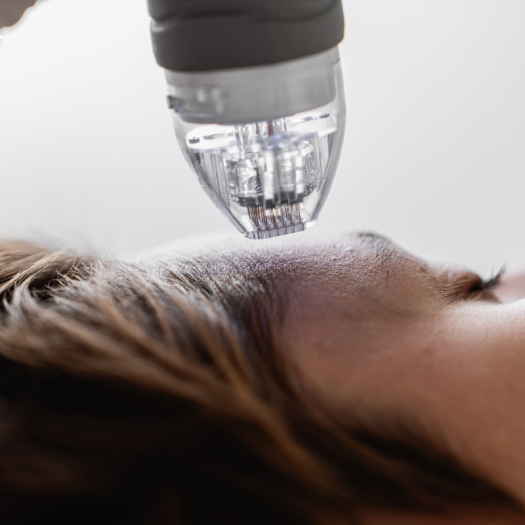
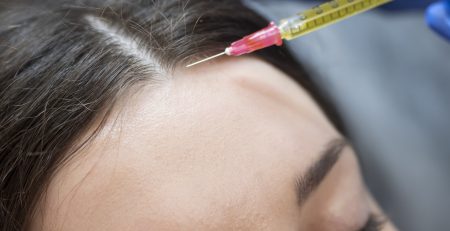
Microneedling is a minimally invasive, non-surgical procedure that uses tiny needles to create controlled micro-injuries in the skin.
These micro-injuries trigger the body’s natural healing response and stimulate collagen production.
Traditional microneedling already improves:
• Fine lines and wrinkles
• Acne scars
• Uneven skin texture
• Hyperpigmentation
• Overall skin tone
How microneedling with exosomes works
Exosome microneedling enhances these results by adding regenerative exosomes during treatment.
Exosomes contain growth factors, proteins, and signaling molecules that help support skin repair and cell renewal.
After microneedling, the exosomes are applied to the skin so they can penetrate deeper into the treatment areas.
This combination helps:
• Boost collagen production
• Improve healing
• Reduce inflammation
• Enhance skin rejuvenation
Benefits of exosome microneedling
Exosome microneedling combines collagen-stimulating microneedling with regenerative exosome technology to enhance skin rejuvenation. Together, they support smoother, firmer, and healthier-looking skin.
Enhanced collagen production
Both microneedling and exosomes independently stimulate collagen synthesis. Combined, they create a powerful twin effect, significantly increasing collagen and elastin production, resulting in firmer, smoother skin.
Accelerated skin repair
Exosomes contain growth factors that promote cell regeneration and tissue repair. This can lead to faster healing after the microneedling exosome therapy and improved overall skin recovery.
Improved skin tone and texture
By encouraging collagen and elastin production, exosome microneedling can improve skin health and skin texture, even out skin tone, and reduce the presence of wrinkles and other signs of aging.
Reduced scarring
The combined treatment can be effective in reducing the visibility of acne and other scars.
Minimized downtime
While some redness and swelling are expected after microneedling, the addition of exosomes can potentially reduce downtime and promote faster healing.
What conditions can be treated with exosome microneedling?
Exosome microneedling is commonly recommended to address a range of skin concerns, including:
- Fine lines and wrinkles
- Acne scars and surgical scars
- Hyperpigmentation (sun spots, melasma)
- Uneven skin texture and tone
- Enlarged pores
- Stretch marks
- Hair thinning (as part of a regenerative hair treatment plan)
Who is a good candidate for exosome microneedling?
Exosome microneedling may be a good option for individuals looking to improve skin texture, tone, and overall skin rejuvenation. Ideal candidates often include those experiencing:
- Fine lines and wrinkles
- Acne scars or mild scarring
- Uneven skin tone or hyperpigmentation
- Enlarged pores
- Early signs of skin laxity
- Hair thinning (when used as part of a regenerative hair treatment plan)
This treatment is generally suitable for most skin types and tones, including sensitive skin. A personalized consultation at LA ViE MD can help determine whether exosome microneedling aligns with your aesthetic goals.
Who should avoid exosome microneedling?
While exosome microneedling is well tolerated by many patients, certain individuals may need to avoid or delay treatment. These may include:
- Women who are pregnant or breastfeeding
- Individuals with open wounds or active skin infections
- Patients with certain autoimmune conditions
- Those with a history of keloid scarring
- Individuals taking blood-thinning medications
- Patients with active inflammatory skin conditions (such as eczema or psoriasis)
A thorough medical evaluation is essential to ensure treatment safety and appropriate candidacy.
-
Treatment procedure for exosome microneedling
The procedure typically involves the following steps:
- Cleansing: The skin is thoroughly cleansed.
- Topical anesthetic: A numbing cream is applied to the target area to ensure you experience minimal discomfort.
- Microneedling: The trained practitioner uses the microneedling device to create mini pathways in the skin.
- Exosome application: Exosomes are applied to the treated area, allowing them to penetrate the skin.
- Post-treatment care and instructions: A soothing serum or mask may be applied. Your doctors will also provide a schedule for post-care checkups.
Expected results and recovery timeline of exosome microneedling
Individual results may vary, but most patients can expect gradual, natural-looking improvements as collagen production increases over time.
What to Expect After Treatment
- Noticeable improvement in skin texture and tone within 2–4 weeks
- Continued skin rejuvenation as collagen remodeling progresses
- Optimal results typically visible around 3–6 months
- Mild redness and swelling immediately after treatment, usually resolving within 24–48 hours
Because exosome microneedling works by supporting your body’s natural regenerative processes, improvements develop progressively rather than overnight.
During your consultation at LA ViE MD, your provider will outline a customized treatment plan and timeline based on your skin goals and condition.
What should I do after exosome microneedling?
Proper aftercare is essential to support healing and optimize your results after exosome microneedling. Always follow the personalized post-treatment instructions provided by your LA ViE MD provider.
In general, patients are advised to:
- Avoid direct sun exposure for the first 48 hours
- Apply broad-spectrum sunscreen daily once your provider approves
- Use only gentle, non-irritating skincare products
- Avoid strenuous exercise for several days
- Keep your skin well hydrated
- Contact your provider if redness, swelling, or discomfort persists beyond one week
Following these guidelines helps support recovery and maintain healthy skin after treatment.
How long do the results of exosome microneedling last?
Results can vary from person to person, but with proper skin care and maintenance, exosome microneedling’s benefits can last several months to a year. Many experts recommend maintenance treatments to prolong results.
Does exosome microneedling have side effects?
Common side effects of exosome microneedling may include temporary redness, swelling, and minor irritation. Serious side effects like infection, scarring, or allergic reactions are very rare.
Choosing a qualified and experienced practitioner like LA ViE MD for exosome microneedling can minimize these risks.
Comparisons with other treatments
Exosome microneedling is often compared to other popular skin rejuvenation treatments. But how does it compare to these other treatments?
What are the key differences between exosome microneedling and microneedling with stem cells?
Stem cell microneedling involves the topical application of stem cells, which then release growth factors. Exosome microneedling, on the other hand, uses exosomes, which are tiny vesicles derived from stem cells (or other sources) that already contain a concentrated dose of these growth factors and other signaling molecules.
Essentially, exosome microneedling is a more targeted and concentrated approach, delivering a pre-packaged dose of regenerative factors directly to the skin.
What is the difference between exosome microneedling and a vampire facial?
A vampire facial, or PRP (platelet-rich plasma) therapy, involves using the patient’s own blood. The blood is processed to isolate platelets, which contain growth factors, and then applied to the skin during microneedling.
While both treatments utilize growth factors, they differ in their source. Some studies suggest exosomes may contain a more diverse and potent array of growth factors than PRP.
Is microneedling with exosomes more effective than PRP?
Research suggests that exosomes may be more effective than PRP in stimulating collagen production and tissue repair. Exosomes carry a higher concentration of growth factors and signaling molecules, which can lead to more pronounced and longer-lasting results.
Are exosomes more effective than retinol for skin care?
Exosomes and retinol are two different approaches to skin rejuvenation.
Retinol is a topical vitamin A derivative that helps support cell turnover and collagen production at the surface level. It is commonly used to improve fine lines, acne, and uneven skin tone.
Exosomes, when used in combination with microneedling, are delivered deeper into the skin to support cellular communication and regeneration. Because of this delivery method, exosome microneedling may provide more comprehensive skin rejuvenation compared to topical products alone.
The best option depends on your skin type, goals, and desired level of correction.
How do exosomes compare to Botox in terms of results?
Botox works by temporarily relaxing targeted facial muscles to reduce the appearance of dynamic wrinkles, such as frown lines and crow’s feet.
Exosome microneedling works differently. Rather than relaxing muscles, it supports collagen production and overall skin renewal, improving texture, tone, and skin quality over time.
In many cases:
- Botox provides faster, targeted wrinkle reduction
- Exosome microneedling supports gradual, regenerative skin improvement
These treatments are not direct replacements for one another and may be complementary, depending on your aesthetic goals.
Is exosome microneedling right for me?
Whether exosome microneedling is right for you depends on your skin concerns, medical history, and treatment goals. While it offers multiple potential benefits, it is not a one-size-fits-all solution.
At LA ViE MD, every treatment begins with a personalized consultation. During your visit, our experienced providers will:
- Evaluate your skin concerns and goals
- Review your medical history
- Recommend a customized treatment plan
- Discuss expected results and recovery
Because every patient’s skin is unique, treatment plans are tailored to help achieve optimal outcomes with minimal downtime.
Takeaway: Unlock radiant, youthful skin with exosome microneedling
Exosome microneedling is a cutting-edge skin rejuvenation treatment. It combines microneedling with the power of exosomes. This combination aids the body’s natural healing response and offers significant potential for skin improvement.
The treatment stimulates collagen production. It also accelerates skin repair. Expect improvements in texture, and tone, and a reduction in scarring. Downtime is typically minimal. Exosomes deliver growth factors directly to the skin.
Good candidates often have fine lines or sun damage. Acne scars and uneven skin tone can also be addressed. However, some individuals should avoid this treatment. A consultation is crucial to determine suitability.
At LA ViE MD, we personalize treatments and aim to achieve the best possible results for you. If you’re considering this treatment, we invite you to schedule a consultation with our staff to assess if exosome microneedling is right for you.
FAQs
Below, we answer some of the regular questions we get during consultations:
What is the cost of exosome microneedling?
The cost of exosome microneedling varies depending on location, practitioner, treatment area, and the specific exosome product used. On average, expect to pay between $500 to $1,000 per session.
Does microneedling with exosomes produce noticeable results?
Yes, microneedling with exosomes can produce noticeable improvements in skin texture, tone, and firmness, with results visible within 2-4 weeks.
How do exosomes benefit the skin?
Exosomes deliver growth factors and signaling molecules inside the skin, which stimulate collagen production, promote tissue repair and rejuvenate the skin, leading to improved texture, tone, and firmness.
Which exosomes are most effective for skin rejuvenation?
Exosomes derived from mesenchymal stem cells are often considered highly effective due to their potent growth factor content.
How frequently should microneedling with exosomes be done?
Typically, a series of 3-6 treatments spaced 4-6 weeks apart is recommended for optimal results. Maintenance treatments may be advised.
Do exosomes help boost collagen production?
Exosomes contain growth factors that stimulate collagen and elastin synthesis, leading to firmer, more youthful skin.
What can be done to increase exosome production naturally?
While there’s no proven method to increase exosome production naturally, especially towards improved skin health. A healthy lifestyle, including a balanced diet, regular exercise, and adequate sleep, are more practical tips for improving skin health.
Can exosomes help slow down or reverse signs of aging?
Exosomes can help reduce visible signs of aging, such as fine lines, wrinkles, and age spots, by promoting collagen production and tissue repair.
Are exosomes in skincare truly effective?
Yes, exosomes have been shown to be effective in stimulating collagen production, promoting tissue repair, and rejuvenating the skin.
Can exosomes help reduce wrinkles?
Yes, exosomes can help reduce wrinkles by stimulating collagen production, promoting tissue repair, and improving skin elasticity.
Is microneedling more beneficial with or without exosomes?
Microneedling with exosomes is considered more beneficial because the exosomes stimulate collagen production and tissue repair.
What is the best serum to use during microneedling?
A serum rich in growth factors, peptides, and hyaluronic acid is recommended for use during microneedling to enhance results.
Which stem cell serum is recommended for microneedling?
A serum derived from human mesenchymal stem cells is recommended for microneedling due to its high concentration of growth factors and signaling molecules.
Which type of exosomes are most effective?
Exosomes derived from human mesenchymal stem cells are considered most effective due to their high concentration of growth factors and signaling molecules.
How many exosome microneedling sessions are needed for facial rejuvenation?
For optimal facial rejuvenation results, a series of 3-6 sessions, spaced 4-6 weeks apart, is typically recommended.