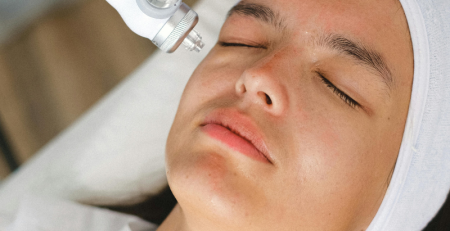
Microneedling Aftercare — The Complete Recovery Guide
Microneedling aftercare is the set of post-treatment protocols designed to support wound healing, minimize inflammation, and optimize collagen remodeling after controlled micro-injuries are created in the dermis using fine needles. How you care for your skin in the first 72 hours after treatment directly affects the quality of new collagen synthesis, the duration of visible side effects, and the long-term texture and tone improvements you’ll see at three to six months. While microneedling triggers a natural wound-healing cascade—platelet activation, growth factor release, and the gradual conversion of Type III collagen to stronger Type I collagen over four to six weeks—the immediate post-treatment window is when your skin is most vulnerable to infection, hyperpigmentation, and barrier disruption. Following evidence-based aftercare instructions is not optional; it is the clinical difference between lackluster outcomes and the cumulative improvements that make a series of treatments worthwhile.
At LA ViE MD, we see patients across the Bay Area—from Danville to Dublin—who want clear guidance on what to expect after their session and how to accelerate healing without compromising results. The microneedling post-treatment care plan we provide is physician-supervised, evidence-informed, and designed to reduce downtime while protecting the delicate repair processes happening beneath the surface. Whether you’ve just completed your first session or you’re preparing for a multi-treatment series, understanding the microneedling recovery timeline, product restrictions, sun protection requirements, and activity limitations will empower you to support your skin through every healing stage.
This guide walks through the day-by-day progression of microneedling healing stages, the skincare ingredients you should use versus avoid, when you can safely resume exercise and makeup application, and why aftercare directly impacts the collagen remodeling that determines your final results. We reference clinical data from peer-reviewed microneedling studies and authoritative sources including the AAD dermatology resources to ensure every recommendation is rooted in science, not marketing. If you’re asking yourself what to do after microneedling, how long microneedling redness lasts, or when you can return to your normal skincare routine, the answers are here.
What Happens to Your Skin Immediately After Microneedling?
Within minutes of your microneedling session, your skin enters the inflammatory phase of wound healing. The controlled micro-injuries created by fine needles—ranging from 0.5 to 2.5 millimeters in depth depending on treatment goals—trigger an immediate cascade of biological responses. Platelets aggregate at the injury sites, releasing growth factors including platelet-derived growth factor (PDGF), transforming growth factor-beta (TGF-β), and vascular endothelial growth factor (VEGF). These signaling molecules recruit fibroblasts, stimulate collagen synthesis, and initiate tissue repair. You will see visible redness, mild swelling, and potentially pinpoint bleeding or oozing immediately after treatment. This is not damage—it is the intended physiological response that drives collagen remodeling over the following weeks.
According to Healthline microneedling aftercare guide, most patients experience 24 to 48 hours of erythema and edema, with intensity depending on needle depth, the number of passes performed, and individual skin reactivity. During this acute phase, your stratum corneum—the outermost protective barrier—is temporarily compromised, leaving skin more permeable to both beneficial actives and potential irritants. This heightened permeability is why post-treatment serums like hyaluronic acid and growth factors can penetrate more effectively, but it also means harsh ingredients, fragrances, and environmental contaminants pose greater risk. Your provider will apply a soothing serum or growth factor solution immediately post-procedure to support barrier repair and reduce inflammation.
Temperature regulation is also affected. Many patients report a sunburn-like sensation and warmth in treated areas for the first 12 to 24 hours. This is caused by increased blood flow to the dermis as part of the inflammatory response. Applying a cool compress or sleeping with your head elevated can reduce swelling. Avoid hot showers, steam rooms, saunas, and strenuous exercise during this period—anything that raises core body temperature will intensify redness and prolong recovery. Understanding what is happening beneath the surface helps you respect the healing process and avoid behaviors that interfere with optimal collagen synthesis.
Day-by-Day Microneedling Recovery Timeline
The microneedling recovery timeline follows a predictable progression through the 24-48 hours of redness and mild swelling that characterize standard downtime. Day zero—the day of your procedure—is marked by peak redness, swelling, and sensitivity. Your skin appears flushed and tight as the controlled micro-injuries from fine needles trigger the wound-healing cascade: platelet activation begins immediately, initiating growth factor release that drives the repair process. Cleanse gently with lukewarm water and a fragrance-free, sulfate-free cleanser if needed, then apply only the products recommended by your provider. Most protocols include a hyaluronic acid serum and a bland, occlusive moisturizer to support barrier repair. No active ingredients, no retinoids, no exfoliants.
Days one and two represent the most visible phase of healing. Redness typically peaks on day one and begins to fade by the end of day two as the acute inflammatory response subsides. Swelling is more pronounced in areas with thinner skin, such as around the eyes or along the jawline. Some patients notice a sandpaper-like texture as the micro-channels close and the outermost layers of skin begin to dry out. This is normal. By day three, most patients see significant reduction in redness, though subtle pinkness persists for up to a week. Flaking or light peeling often begins around day three to five as the damaged epidermis sheds. Do not pick, scratch, or manually exfoliate—allow the skin to slough naturally. Most patients resume low-impact routines by day three, though full barrier recovery takes about seven days.
By the end of week one, visible side effects have largely resolved. Your skin appears slightly pink under bright lighting, with residual dryness or tightness that resolves quickly. The deeper remodeling process—new collagen synthesis transitioning from Type III to Type I, elastin production, and extracellular matrix reorganization—continues for 4-6 weeks following treatment. This is why full textural and tonal improvements are not visible until 3-6 months post-series across the 3-6 treatments spaced 4 weeks apart. The most important changes in microneedling aftercare happen beneath the surface, long after the redness fades. Adherence to post-treatment protocols ensures optimal results for acne scarring, enlarged pores, fine lines, skin texture, and stretch marks.
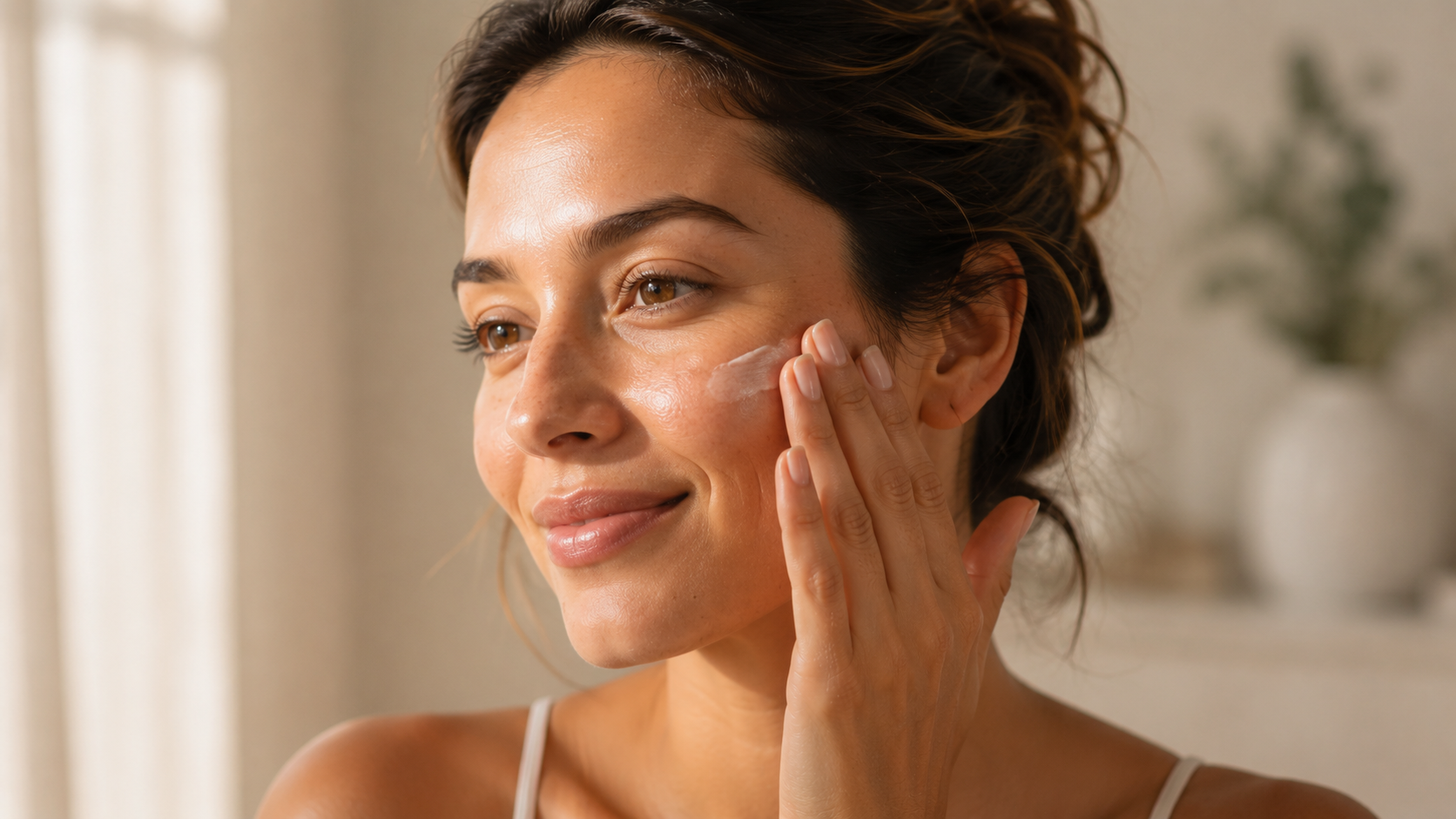
Microneedling Skin Care Routine: What to Use and What to Avoid
Your microneedling aftercare routine must adapt significantly during the first week following treatment. The controlled micro-injuries created by fine needles (0.5-2.5mm depth) initiate a wound-healing cascade involving platelet activation and growth factor release. During this critical window, your skin barrier is compromised, increasing transepidermal water loss and susceptibility to irritation.
For the first 24 to 48 hours—the period when redness and mild swelling are most pronounced—use only provider-approved products. Most practitioners recommend a gentle hyaluronic acid serum for hydration and a fragrance-free moisturizer to support barrier repair. Avoid all active ingredients during this acute phase, including retinoids, alpha hydroxy acids, beta hydroxy acids, vitamin C, benzoyl peroxide, and prescription tretinoin. Applying these to freshly needled skin causes stinging, prolonged redness, and delayed healing.
After 48 hours, gradually reintroduce mild cleansers and hydrating formulations, but continue avoiding actives for at least five to seven days. Products containing alcohol, fragrance, essential oils, or synthetic dyes should remain off-limits during this period. Peptides, niacinamide, and growth factor serums are generally better tolerated and support the new collagen synthesis process, but confirm with your provider before use.
Once your skin has fully re-epithelialized—typically by day seven—you can cautiously reintroduce retinoids and exfoliating acids at a lower frequency than your pre-treatment regimen. Your skin has undergone controlled injury to trigger Type III collagen production that matures into Type I collagen over 4-6 weeks. Overloading with actives too soon disrupts this collagen-building process and causes unnecessary irritation. Proper product timing during recovery directly influences your final results at 3-6 months post-series.

Sun Protection Protocols After Microneedling
Sun protection is non-negotiable after microneedling. The micro-injuries and inflammation increase melanocyte activity, raising the risk of post-inflammatory hyperpigmentation (PIH), especially in patients with Fitzpatrick skin types III through VI. Even minimal UV exposure during the first week can trigger uneven pigmentation that may take months to fade. You must apply a broad-spectrum, mineral-based sunscreen with SPF 30 or higher every morning, beginning 24 hours after your procedure. Mineral formulations containing zinc oxide or titanium dioxide are preferred over chemical sunscreens, which may irritate compromised skin.
Reapply sunscreen every two hours if you are outdoors, and consider wearing a wide-brimmed hat for additional protection. Avoid direct sun exposure between 10 a.m. and 4 p.m., when UV radiation is strongest. Even on overcast days, up to 80 percent of UV rays can penetrate cloud cover, so do not skip sunscreen based on weather. Patients in our Dublin clinic, where outdoor activities are common, are counseled to postpone hiking, cycling, or extended outdoor errands for at least the first 72 hours post-treatment. If outdoor exposure is unavoidable, physical barriers—hats, sunglasses, and UV-protective clothing—should supplement sunscreen, not replace it.
Beyond the first week, continue vigilant sun protection for at least one month. The collagen remodeling process makes your skin more susceptible to UV-induced damage during this period. Chronic UV exposure degrades newly synthesized collagen, undermining the very improvements you sought from microneedling. Long-term, daily SPF use is one of the most evidence-based interventions for preserving skin health and preventing photoaging, as consistently noted in dermatology literature. Protecting your investment in microneedling means protecting your skin from the sun—every single day.
When Can I Resume Normal Activities After Microneedling?
Understanding activity restrictions is essential for proper microneedling aftercare. During the 24-48 hours of redness and mild swelling that follow treatment, your skin is undergoing the initial wound-healing cascade triggered by controlled micro-injuries. This early phase involves platelet activation and growth factor release, making it critical to avoid activities that could interfere with healing or introduce infection risk.
Strenuous exercise should be avoided for at least 48 to 72 hours after microneedling. High-intensity interval training, running, hot yoga, and weightlifting raise core body temperature and increase blood flow to treated areas, which intensifies redness and swelling. Sweating introduces bacteria and salt to the skin surface at a time when the stratum corneum is compromised, elevating infection risk. Light walking is acceptable, but reserve moderate to vigorous workouts until the third or fourth day post-treatment.
Swimming in chlorinated pools, hot tubs, lakes, rivers, or oceans should be postponed for at least one week. Chlorine acts as a chemical irritant that exacerbates inflammation, while natural bodies of water harbor microorganisms that pose infection threats when skin barrier integrity is reduced. Similarly, saunas, steam rooms, and hot baths dilate blood vessels and prolong erythema, extending visible downtime beyond the typical 24-48 hour window.
Mineral-based makeup can generally be applied 24 to 48 hours post-treatment, once skin is no longer actively oozing or experiencing pinpoint bleeding. Select clean, non-comedogenic mineral powder formulations and apply with freshly cleaned tools to minimize bacterial transfer. Avoid liquid foundations containing preservatives, fragrances, or silicones until at least day three. Scheduling your treatment on a Friday allows a full weekend of recovery before returning to work and social commitments, supporting the collagen and elastin synthesis process that continues over 4-6 weeks.
Hydration and Nutrition Strategies to Accelerate Healing
Proper microneedling aftercare extends beyond topical products to include systemic hydration and nutrition. The wound-healing cascade triggered by controlled micro-injuries—including platelet activation, growth factor release, and new collagen synthesis—requires adequate fluid intake, amino acids, vitamins, and minerals to proceed efficiently over the 4-6 week recovery period.
Hydration supports lymphatic drainage, reduces swelling, and maintains the moisture gradient necessary for barrier repair during the 24-48 hours of post-treatment redness and inflammation. Aim for eight to ten glasses of water daily during the first week following your session. Dehydration slows cellular turnover and impairs nutrient delivery to healing tissues.
Collagen synthesis depends on sufficient protein intake, particularly amino acids like glycine, proline, and hydroxyproline. High-quality protein sources—lean poultry, fish, legumes, eggs—provide the building blocks for new dermal structures as Type III collagen matures into Type I over the subsequent weeks. Vitamin C serves as a critical cofactor for collagen hydroxylation and stabilization. While topical vitamin C should be avoided during acute healing, oral supplementation or dietary intake from citrus fruits, bell peppers, and leafy greens supports the structural integrity of newly formed collagen.
Trace minerals zinc and copper participate in enzymatic reactions that regulate collagen cross-linking and wound closure. Antioxidant-rich foods—berries, dark chocolate, green tea—help neutralize reactive oxygen species generated during the inflammatory phase, reducing oxidative stress. Omega-3 fatty acids from fatty fish or flaxseed modulate inflammatory pathways. A nutrient-dense, anti-inflammatory diet creates optimal conditions for healing as you progress through your 3-6 treatment series spaced 4 weeks apart.

How Aftercare Impacts Your Final Microneedling Results
The relationship between microneedling aftercare and final outcomes is direct and measurable. Studies published in dermatology journals demonstrate that adherence to post-treatment protocols significantly influences collagen density, skin texture improvement, and patient satisfaction scores at three and six months. When aftercare is neglected—sun exposure occurs, harsh actives are reintroduced prematurely, or the skin is allowed to become dehydrated—the inflammatory response can shift from productive remodeling to prolonged irritation, impairing fibroblast function and reducing the quality of new collagen deposition. In contrast, patients who follow evidence-based aftercare instructions experience shorter downtime, fewer complications, and more pronounced textural improvements.
The wound-healing cascade initiated by microneedling unfolds over weeks, not days. Fibroblasts begin synthesizing Type III collagen within 48 hours of injury, but the maturation and remodeling into stronger Type I collagen takes four to six weeks. During this period, your skin is rebuilding its dermal architecture. Any insult—UV radiation, infection, chronic inflammation—diverts resources away from collagen synthesis and toward damage control. This is why the first seven days are considered the critical window: the choices you make during this time set the trajectory for the entire remodeling process. Skipping sunscreen, resuming retinoids too early, or exercising before your skin has re-epithelialized can degrade your results by 30 to 50 percent, based on clinical observation.
Patients who complete a series of three to six treatments spaced four weeks apart, and who adhere to aftercare guidelines after each session, achieve cumulative improvements that are visible, durable, and clinically significant. Acne scarring softens, pore size reduces, fine lines smooth, and overall skin quality improves. These outcomes are not guaranteed by the procedure alone—they are co-created by the treatment and the post-treatment environment you provide. Think of microneedling as the stimulus and aftercare as the support system. One without the other is incomplete. The full results you see at three to six months post-series are a direct reflection of how well you supported your skin through every healing stage.

Frequently Asked Questions (FAQs)
How long does it take for skin to heal after microneedling?
Most visible side effects—redness, swelling, and sensitivity—resolve within 24 to 48 hours, with residual pinkness fading by day seven. The deeper healing process, including collagen synthesis and dermal remodeling, continues for four to six weeks. Full textural and tonal improvements are typically visible three to six months after completing a treatment series.
What products should I use after microneedling?
For the first 24 to 48 hours, use only gentle, fragrance-free hyaluronic acid serum and a bland moisturizer recommended by your provider. Avoid all active ingredients—retinoids, AHAs, BHAs, vitamin C, and benzoyl peroxide—for at least five to seven days. Reintroduce actives gradually once your skin has fully re-epithelialized, typically by day seven.
When can I resume exercise after microneedling?
Wait at least 48 to 72 hours before resuming moderate-intensity exercise. Strenuous activity raises core body temperature and increases blood flow, which can intensify redness, swelling, and discomfort. Sweating also introduces bacteria to compromised skin, heightening infection risk. Low-impact activities like walking are generally safe after 48 hours.
What are the side effects of microneedling and how long do they last?
Common side effects include redness, mild swelling, pinpoint bleeding, and a sunburn-like sensation. These typically peak within the first 24 hours and resolve by 48 to 72 hours. Light flaking or peeling may occur between days three and five. Rare complications include post-inflammatory hyperpigmentation, especially in darker skin tones, which can be minimized with strict sun protection.
Can I wear makeup after microneedling?
Mineral-based makeup can generally be applied 24 to 48 hours post-treatment, provided your skin is no longer actively oozing or bleeding. Avoid liquid foundations, which may contain irritants. Use clean brushes or sponges to minimize bacterial transfer. If you experience stinging or increased redness, remove the product immediately and allow more recovery time.
Why is aftercare important for microneedling results?
Microneedling aftercare directly influences collagen synthesis, healing speed, and final outcomes. Adhering to post-treatment protocols—sun protection, product restrictions, activity limitations—supports the wound-healing cascade and optimizes dermal remodeling. Neglecting aftercare can prolong downtime, trigger complications, and reduce the quality of new collagen deposition, diminishing your results by 30 to 50 percent based on clinical observation.
Medical Disclaimer: This content is for educational purposes only and is not a substitute for personalized medical advice. Individual results vary. Schedule a consultation with Dr. Neetu Nebhwani at LA ViE MD to determine the best treatment for your skin or wellness goals.