Ozempic vs Wegovy vs Zepbound: Key Differences, Side Effects, and Weight Loss Results
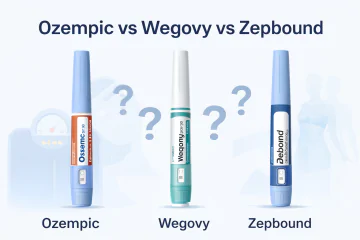
If you’re comparing Ozempic vs Wegovy vs Zepbound, you’re likely trying to find the most effective medication to lose weight and improve metabolic health. These treatments are widely discussed because each one functions as a modern weight loss drug designed to help regulate appetite, improve blood sugar control, and support long-term weight management. Many patients want to understand the difference between Ozempic and Wegovy, how Zepbound vs Ozempic compares in effectiveness, and whether Wegovy vs Zepbound produces stronger weight-loss results. While these medications share similar mechanisms, they differ in dosing, clinical outcomes, and side-effect profiles.
How Ozempic vs Wegovy vs Zepbound Work for Weight Loss
All three medications in the Ozempic vs Wegovy vs Zepbound comparison work by regulating appetite hormones that influence hunger, digestion, and blood sugar control. Ozempic and Wegovy contain semaglutide, which activates GLP-1 receptors that signal fullness and help reduce calorie intake. Zepbound uses tirzepatide, which activates both GLP-1 and GIP hormones to improve metabolic response.
Because of these mechanisms, these medications are commonly prescribed for individuals struggling with obesity or overweight, as well as patients trying to treat type 2 diabetes or other weight related health conditions. Combined with healthy diet and exercise, these medications can significantly help patients lose weight in a sustainable way.
Ozempic for Weight Loss
Ozempic (semaglutide) is a GLP-1 receptor agonist originally developed to help manage type 2 diabetes. However, it is now widely prescribed off-label as a weight loss medication because it helps regulate appetite and improve metabolic control.
When evaluating Ozempic vs Wegovy, both medications contain semaglutide but differ in dosing and FDA approval. Ozempic is primarily approved for diabetes management, while Wegovy uses a higher dosage specifically approved for weight management.
Key benefits
• Once-weekly injection
• Blood sugar regulation
• Reduced hunger and cravings
• Gradual, sustainable weight loss
Expected results
Many patients lose approximately 10–12% of their body weight when using Ozempic in combination with healthy lifestyle changes.
Best for
Ozempic may be a good option for individuals managing type 2 diabetes or patients seeking steady weight loss while improving metabolic health.
Doctors may also review a patient’s personal or family history, including risks related to diabetes or heart disease, before recommending treatment.
Wegovy for Weight Loss
Wegovy contains wegovy semaglutide, the same active ingredient found in Ozempic, but at a higher dose specifically designed for chronic weight management.
When comparing Ozempic vs Wegovy, the higher dosing used with Wegovy allows for stronger appetite suppression and potentially greater weight loss results.
Key benefits
• Once-weekly injection
• Strong appetite suppression
• FDA-approved weight loss medication
• Improved metabolic control
Expected results
Clinical trials and clinical studies have shown that patients using Wegovy can lose 15–20% of their body weight within one year when combined with diet and lifestyle improvements.
Wegovy dosing is gradually increased over time until reaching a maximum dose of 15 mg, allowing the body to adjust and reduce side effects.
Side effects
Common side effects may include nausea, stomach discomfort, or digestive changes, especially during the early dose adjustment period.
Zepbound for Weight Loss
Zepbound is one of the newest medications in the medical weight-loss field and contains zepbound tirzepatide, a medication designed to target multiple appetite and metabolic pathways.
When comparing Zepbound vs Ozempic or Wegovy vs Zepbound, Zepbound works differently because it activates more than one hunger-regulating hormone pathway. This mechanism may help improve appetite control and metabolic efficiency.
What makes Zepbound different?
• Targets multiple appetite pathways
• Designed for weekly injections
• Early research suggests strong weight loss potential
• May produce fewer digestive side effects for some patients
Expected results
Early clinical studies suggest weight loss results comparable to Wegovy, particularly for adults with obesity or metabolic health conditions.
Like other GLP-1-based medications, dosing may follow a gradual increase schedule to help minimize side effects.
Ozempic vs Zepbound: Key Differences
Patients frequently ask about Zepbound vs Ozempic when evaluating newer weight-loss treatments.
Ozempic primarily works by activating GLP-1 receptors, helping regulate appetite and blood sugar. Zepbound works through multiple hunger-regulation pathways, which may enhance appetite control and metabolic response.
For some patients, this dual-pathway mechanism may provide improved results compared to Ozempic alone.
Wegovy vs Zepbound: Which Is Better?
When comparing Wegovy vs Zepbound, both medications demonstrate strong weight-loss potential.
Wegovy currently has extensive FDA-approved clinical data supporting its effectiveness for weight loss. Zepbound, while newer, may offer comparable results and potentially improved appetite regulation due to its multi-pathway mechanism.
The best option often depends on individual health history, weight-loss goals, and response to treatment.
Is Zepbound Better Than Wegovy?
Many patients ask, “Is Zepbound better than Wegovy?”
The answer varies from person to person. Wegovy has a well-established track record and strong clinical trial data, while Zepbound introduces a newer mechanism that may benefit certain patients.
Some individuals may prefer Wegovy’s proven effectiveness, while others may respond better to Zepbound’s newer metabolic pathway approach.
Zepbound vs Wegovy Side Effects
Concerns about Zepbound vs Wegovy side effects are common when comparing the two medications.
Wegovy is known to cause temporary digestive symptoms such as nausea, vomiting, or stomach discomfort during the dose-adjustment phase.
Early data suggests Zepbound may cause fewer gastrointestinal side effects for some patients, although more research is still being conducted.
Overall, both medications are considered safe when prescribed and monitored by a qualified medical professional.
| Feature | Ozempic | Wegovy | Zepbound |
|---|---|---|---|
| Primary Use | Diabetes (off-label weight loss) | FDA-approved for weight loss | Weight loss (emerging) |
| Dosing | Weekly, lower dose | Weekly, higher dose | Expected weekly |
| Avg. Weight Loss | 10–12% | 15–20% | Comparable to Wegovy |
| Side Effects | Mild nausea | More frequent nausea | Potentially fewer |
| Best For | Gradual results | Faster results | Side-effect sensitive users |
Comparison Overview
Medication: Ozempic
Primary Use: Diabetes treatment (often used off-label for weight loss)
Dosing: Weekly injection at a lower dose
Average Weight Loss: 10–12%
Common Side Effects: Mild nausea
Medication: Wegovy
Primary Use: FDA-approved weight loss medication
Dosing: Weekly injection at higher dosage
Average Weight Loss: 15–20%
Common Side Effects: Nausea during early stages
Medication: Zepbound
Primary Use: Emerging weight-loss therapy
Dosing: Weekly injection
Average Weight Loss: Comparable to Wegovy in early studies
Common Side Effects: Potentially fewer digestive effects
Ozempic vs Wegovy vs Zepbound: Which Medication Is Right for You?
Choosing between Ozempic vs Wegovy vs Zepbound depends on your health goals, medical history, and how your body responds to treatment.
Ozempic may be ideal for individuals managing type 2 diabetes while pursuing gradual weight loss.
Wegovy is often recommended for patients with obesity or overweight who want stronger appetite suppression and faster results.
Zepbound is a newer option that targets GLP-1 and GIP pathways and may help certain patients achieve improved metabolic control and greater weight reduction.
A medical consultation can help determine the best treatment based on your health profile, potential weight related health conditions, and overall wellness goals.
Why Medical Weight Loss Works
Beyond simple dieting, medical weight-loss medications help regulate the body’s hunger hormones and metabolic signals.
Benefits may include:
• Reduced hunger and cravings
• Improved metabolic health
• Better emotional control around food
• Increased energy and confidence
These treatments can make healthy lifestyle changes more sustainable and effective.
Start Your Weight Loss Journey With LA ViE MD
Choosing the right medication doesn’t have to feel overwhelming. At LA ViE MD, our experienced medical team creates personalized weight-loss plans tailored to your health history, lifestyle, and goals.
Whether you’re considering Ozempic, Wegovy, or want to explore newer options like Zepbound, our team is here to guide you every step of the way.
Book your consultation today and take control of your weight with a safe, medically guided approach.
👉 Book your consultation today and take control of your weight—confidently and safely.
Difference Between Wegovy and Zepbound
Many patients comparing Wegovy vs Zepbound want to understand the key differences between these two modern weight loss medications. While both treatments are designed to help people lose weight, they work through slightly different hormone pathways.
Wegovy contains semaglutide and works primarily by activating the GLP-1 hormone, which helps regulate appetite, slow digestion, and improve blood sugar levels. Zepbound contains tirzepatide, which activates both GLP-1 and GIP hormones. Because of this dual-hormone mechanism, some patients may experience stronger appetite control and improved metabolic regulation.
Clinical trials and clinical studies show that both medications can produce significant weight loss for adults with obesity or overweight. Wegovy has extensive FDA-approved data supporting its effectiveness, while Zepbound is gaining attention for its promising early results.
Both medications are typically used alongside diet and exercise programs to support long-term weight management and reduce the risk of weight related health conditions such as heart disease or type 2 diabetes.
When deciding between these medications, factors such as your medical history, treatment goals, potential side effects, and insurance coverage may all influence which option is best for you.
FAQs
How soon will I see results?
Many patients notice reduced appetite within the first few weeks. Visible weight loss typically becomes noticeable within three to six months.
Are these medications safe?
Ozempic and Wegovy are FDA-approved medications. Zepbound also shows promising safety data and continues to be evaluated through clinical studies.
Do I need to take them long term?
Some patients use these medications as part of a longer-term weight-management strategy, depending on their health goals and physician recommendations.
How are these different from dieting alone?
These medications help regulate hunger hormones and metabolic signals, making healthy eating habits easier to maintain over time.