CoolSculpting and Body Contouring in the Bay Area
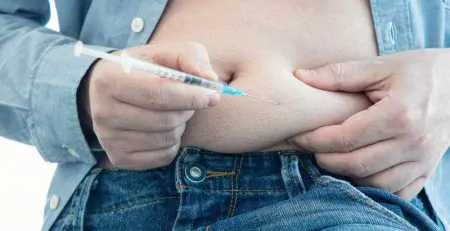
Fat reduction through non-surgical methods has transformed how people approach persistent areas of unwanted fat that resist diet and exercise. CoolSculpting, a non-invasive body contouring treatment, uses controlled cooling technology called cryolipolysis to freeze and eliminate fat cells without surgery, anesthesia, or downtime. The procedure targets stubborn fat deposits in specific body areas, offering an alternative to surgical liposuction for individuals seeking body sculpting results without incisions or recovery periods.
Non-surgical body contouring has grown significantly across the Bay Area, where busy professionals and health-conscious individuals seek efficient solutions that fit their active lifestyles. The fat freezing procedure gained FDA approval and safety data for multiple treatment areas, establishing cryolipolysis as a clinically validated approach to reducing localized fat. Unlike weight loss programs that shrink fat cells, CoolSculpting destroys them, preventing treated cells from returning to the body.
Understanding how this technology works, who benefits most, and what realistic outcomes look like helps patients make informed decisions about their body contouring options. The body contouring procedure guidance from medical societies emphasizes the importance of proper patient selection, qualified providers, and evidence-based treatment planning. This comprehensive overview examines the science behind stubborn fat removal, compares different non-invasive body sculpting methods, and provides realistic expectations based on clinical evidence rather than marketing claims.
Please note: LA VIE MD does not offer CoolSculpting in-house. As a non-invasive alternative for fat reduction and body contouring, we offer Emsculpt NEO, which combines HIFEM+ muscle stimulation with radiofrequency energy to build muscle and reduce fat in a single treatment. The information below is provided for general educational purposes about the CoolSculpting procedure.

How Cryolipolysis Technology Works to Freeze and Eliminate Fat Cells Permanently
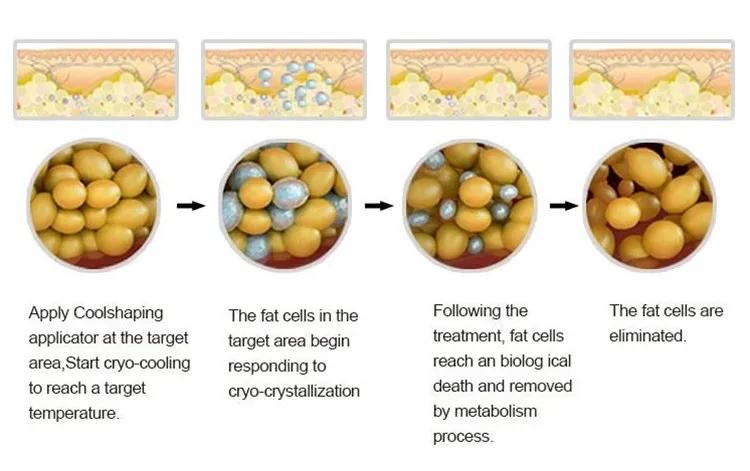
Cryolipolysis technology operates on the principle that fat cells are more vulnerable to cold temperatures than surrounding tissues. During a CoolSculpting treatment, a specialized applicator delivers precisely controlled cooling to the target area, lowering the temperature of fat cells to a point that triggers crystallization without damaging skin, nerves, or other structures. This selective cooling causes fat cells to undergo apoptosis, a natural cell death process that the body then clears through its lymphatic system over weeks and months.
The fat freezing procedure begins with a medical professional positioning the applicator on the treatment area, where vacuum suction draws tissue into the cooling panels. Patients typically feel intense cold and pulling sensations during the first few minutes, which subside as the area becomes numb. Treatment duration varies by applicator type and target zone, generally ranging from 35 to 60 minutes per area. Some advanced systems use multiple applicators simultaneously to treat several areas in one session.
According to medical information on fat reduction, the destroyed fat cells are permanently removed from the body. Once crystallized fat cells undergo apoptosis, they cannot regenerate or be replaced in adulthood, making the fat reduction permanent for the treated cells. However, remaining fat cells can still expand with weight gain, which is why maintaining stable body weight after treatment preserves results. The biological process of fat cell elimination occurs gradually as the immune system processes and clears cellular debris through natural metabolic pathways.
Multiple clinical studies have documented the effectiveness of cryolipolysis in reducing subcutaneous fat layer thickness. Ultrasound and caliper measurements demonstrate measurable reductions in fat layer depth, typically ranging from 20 to 25 percent in treated areas after a single session. The controlled nature of the cooling prevents frostbite or tissue damage by maintaining temperatures that selectively affect fat cells while preserving blood vessels, nerves, and connective tissue. This precision distinguishes medical-grade cryolipolysis from uncontrolled cold exposure, which carries risks of thermal injury.

Ideal Candidates and Body Areas Suitable for Non-Surgical Fat Reduction

The ideal candidate for non-surgical body contouring maintains a stable body weight close to their target range but struggles with localized fat deposits that persist despite healthy eating and regular physical activity. CoolSculpting is not a weight loss solution or obesity treatment; rather, it addresses specific areas where fat distribution creates contour irregularities. Patients with pinchable fat in target areas generally see the most noticeable results, as the applicators require sufficient tissue to draw into the cooling panels for effective treatment.
FDA clearance covers multiple treatment areas including the abdomen, flanks (love handles), thighs (inner and outer), submental area (under the chin), upper arms, back fat (bra line), underneath the buttocks (banana roll), and above the buttocks. Each zone requires specific applicator shapes and sizes designed to conform to body contours and deliver optimal cooling to the fat layer. The submental area, for instance, uses smaller applicators specifically engineered for the delicate chin region, while abdominal treatments may employ larger applicators covering more surface area.
Medical evaluation before treatment determines whether an individual’s fat distribution and skin quality make them suitable candidates for stubborn fat removal. People with good skin elasticity tend to achieve smoother results because their skin contracts naturally as the fat layer diminishes. Those with significant skin laxity may see fat reduction but experience less improvement in overall contour due to loose skin that doesn’t retract adequately. Certain medical conditions contraindicate cryolipolysis treatment, including cryoglobulinemia, cold agglutinin disease, and paroxysmal cold hemoglobinuria—rare conditions where cold exposure triggers adverse reactions.
Body mass index considerations also influence candidacy, as individuals with obesity typically benefit more from comprehensive weight management approaches before considering body contouring. Realistic expectations matter significantly: patients who understand that CoolSculpting refines specific areas rather than transforming their entire physique tend to report higher satisfaction. Multiple body areas can be treated during the same visit or staged across separate sessions depending on the treatment plan, patient comfort preferences, and the number of applicators available at the practice.
Timeline Expectations: When Patients See Visible Results After Treatment
Fat reduction results from cryolipolysis do not appear immediately because the biological process of fat cell elimination occurs gradually over time. Most patients begin noticing subtle changes around three weeks post-treatment as the body starts metabolizing destroyed fat cells. The most dramatic improvements typically emerge between two and three months after the procedure, with continued refinement possible up to six months as the immune system completes the clearance of crystallized fat cells.
The delayed timeline reflects the natural pace of apoptosis and lymphatic drainage. Unlike surgical liposuction, which mechanically removes fat cells during the procedure, cryolipolysis triggers a biological response that unfolds according to the body’s metabolic rhythms. Initial treatment areas may show slight swelling or firmness during the first few weeks as inflammation accompanies the breakdown of fat cells. This temporary response resolves as the healing process progresses and fat cells are fully metabolized.
Photographic documentation helps patients track subtle changes that might otherwise go unnoticed with daily self-observation. Medical practices typically capture standardized before-and-after images to objectively assess treatment outcomes at follow-up appointments scheduled around the three-month mark. Measurements of treated areas provide quantitative data supplementing visual assessment, particularly useful when changes are modest but measurable.
Some individuals opt for multiple treatment cycles on the same area to achieve enhanced fat reduction. When additional sessions are desired, medical providers generally recommend waiting at least two to three months between treatments to allow full results from the initial session to develop before assessing whether further intervention would benefit the patient. Sequential treatments can progressively reduce fat layer thickness in stubborn areas that respond incompletely to a single session, though diminishing returns may occur as the available fat decreases.
Individual response variability means that timeline experiences differ among patients. Factors including metabolic rate, lymphatic function, treatment area, and the volume of fat cells destroyed influence how quickly visible changes emerge. Maintaining consistent lifestyle habits during the results development period—including stable eating patterns and regular physical activity—supports optimal outcomes by preventing weight fluctuations that could mask or diminish treatment effects.

Comparison of CoolSculpting Versus Surgical Liposuction and Other Body Contouring Options

Non-invasive body sculpting through cryolipolysis differs fundamentally from surgical liposuction in mechanism, invasiveness, recovery requirements, and degree of fat removal. Liposuction mechanically extracts fat cells through cannulas inserted via incisions, allowing surgeons to remove larger volumes of fat in a single procedure under anesthesia. CoolSculpting avoids incisions, anesthesia, and surgical risks by using external cooling to trigger gradual fat cell death, making it suitable for patients seeking modest contouring without operative intervention.
Recovery timelines distinguish these approaches significantly. Liposuction typically requires days to weeks of restricted activity, compression garment wear, and management of surgical site care including bruising, swelling, and discomfort. Most CoolSculpting patients return to normal activities immediately after treatment, though temporary numbness, redness, and mild tenderness in treated areas are common. The absence of incisions eliminates infection risks and scarring concerns associated with surgical procedures.
The extent of fat reduction achievable also varies between methods. Surgical liposuction can remove several liters of fat in one session, creating dramatic contour changes particularly beneficial for individuals with larger fat deposits. Cryolipolysis typically reduces fat layer thickness by 20 to 25 percent per treatment cycle in targeted areas, making it more appropriate for refining specific zones rather than comprehensive body reshaping. Patients requiring significant volume reduction or treating extensive areas may find surgical options more efficient, while those wanting subtle improvements without surgery often prefer the non-invasive approach.
Other non-surgical body contouring technologies exist alongside cryolipolysis, including radiofrequency devices, ultrasound-based systems, and injectable treatments that dissolve fat cells. Radiofrequency treatments heat tissue to promote collagen remodeling and modest fat reduction, sometimes combined with skin tightening effects. Ultrasound technologies use focused energy to disrupt fat cell membranes. Injectable deoxycholic acid, FDA-approved for submental fat reduction, chemically destroys fat cells through a series of treatments. Each modality offers distinct advantages and limitations regarding treatment areas, session requirements, and result timelines.
Choosing among these options depends on individual anatomy, goals, medical history, and preferences regarding invasiveness and downtime. Comprehensive consultation with qualified medical professionals helps determine which approach—or combination of methods—best addresses specific concerns while aligning with patient expectations and lifestyle considerations.
Real Patient Outcomes and Realistic Expectations About Fat Reduction Results
Clinical evidence demonstrates that cryolipolysis produces measurable fat layer reduction in appropriately selected patients, though outcomes vary based on individual factors and treatment parameters. Published research indicates average fat layer thickness reductions of approximately 20 to 25 percent following a single CoolSculpting session, with some individuals experiencing greater or lesser responses. These results represent statistical averages rather than guaranteed outcomes, and patient selection significantly influences success rates.
Realistic expectations center on understanding that non-surgical fat reduction refines body contours rather than creating dramatic transformations. Patients seeking subtle improvements in specific problem areas tend to report higher satisfaction than those expecting comprehensive body reshaping comparable to surgical results. The procedure works best for individuals already near their goal weight who want to address isolated fat deposits that create contour irregularities despite overall healthy body composition.
Skin quality influences the aesthetic outcome independent of fat reduction magnitude. When skin contracts smoothly as the underlying fat layer diminishes, treated areas develop improved contours with natural-appearing results. Patients with compromised skin elasticity may achieve fat reduction but notice less improvement in overall appearance due to residual skin laxity. Age, sun exposure history, genetics, and previous weight fluctuations all affect skin quality and its ability to retract following fat loss.
Satisfaction studies examining patient-reported outcomes following cryolipolysis show varied results, with many individuals expressing contentment with modest improvements while others desire additional treatments to enhance results. Follow-up surveys typically assess satisfaction at three to six months post-treatment, once full results have developed. Objective measurements using calipers, ultrasound, or photography provide quantitative assessment complementing subjective patient impressions, helping medical providers evaluate treatment effectiveness.
Side effects and complications remain relatively uncommon but warrant discussion during patient consultations. Temporary numbness in treated areas typically resolves within weeks to months. Paradoxical adipose hyperplasia, a rare condition where fat cells in the treated area increase rather than decrease, occurs in less than one percent of cases and requires alternative treatment approaches. Proper patient screening, adherence to treatment protocols, and experienced providers minimize risks while optimizing outcomes for non-invasive body sculpting procedures.
Pre-Treatment and Post-Treatment Care to Maximize Fat Reduction Results
Pre-treatment preparation for cryolipolysis begins with comprehensive medical consultation to assess candidacy, discuss goals, and create a treatment plan addressing specific areas of concern. Patients should disclose complete medical histories including medications, supplements, and any conditions that might contraindicate treatment or affect outcomes. Maintaining stable body weight for several months before the procedure establishes a baseline that helps evaluate results accurately after treatment.
On the treatment day, arriving with clean skin free of lotions, oils, or topical products in the target area ensures proper applicator adhesion and optimal cooling contact. Wearing comfortable, loose-fitting clothing allows easy access to treatment zones and prevents constriction of newly treated areas afterward. Some patients bring entertainment such as books, tablets, or music since treatment sessions last 35 to 60 minutes per area, though many find the time passes quickly.
Immediately following the procedure, treated areas often appear red, swollen, or firm, with temporary numbness common due to the cooling effect on sensory nerves. These responses typically resolve within days to weeks as tissues recover from cold exposure and inflammation subsides. Gentle massage of treated areas immediately after applicator removal may help break up crystallized fat and potentially enhance results, though protocols vary among providers.
Post-treatment care emphasizes maintaining stable body weight through balanced nutrition and regular physical activity, which preserves fat reduction results and prevents remaining fat cells from expanding. Hydration supports lymphatic function as the body processes and eliminates destroyed fat cells over the following weeks and months. Most individuals resume normal activities immediately, including work and exercise, though some prefer avoiding intense physical exertion on the treatment day if soreness develops.
Follow-up appointments scheduled around three months post-treatment allow medical providers to assess outcomes, take measurements, and capture after-photos for comparison with baseline images. These evaluations determine whether results meet expectations or if additional treatment cycles might benefit patients seeking further refinement. Monitoring for unusual responses including excessive pain, severe swelling, or skin changes ensures prompt medical attention if complications arise, though serious adverse events remain rare with properly performed cryolipolysis.

Understanding Multiple Treatment Cycles for Enhanced Fat Reduction Outcomes

Many patients achieve satisfactory results from a single CoolSculpting session targeting specific areas, while others choose multiple treatment cycles to progressively enhance fat reduction in stubborn zones or address additional body regions. The decision to pursue sequential treatments depends on individual response to the initial procedure, the degree of improvement desired, and the remaining fat volume available for further reduction. Medical providers typically recommend waiting at least two to three months between treatments on the same area to allow complete results development from the prior session before determining if additional intervention would prove beneficial.
Sequential treatments can incrementally reduce fat layer thickness in areas that respond incompletely to initial cryolipolysis. For example, if the first treatment reduces fat by 23 percent, a second cycle might achieve an additional 20 to 25 percent reduction of the remaining fat, resulting in cumulative improvement. However, diminishing returns can occur as the available fat decreases, making each subsequent treatment potentially less noticeable than earlier sessions. Patient anatomy and the initial amount of treatable fat influence how many cycles produce meaningful enhancement.
Some individuals create comprehensive treatment plans addressing multiple body areas in staged sessions. Rather than treating all desired zones simultaneously, spacing treatments over several months distributes the financial commitment and allows patients to assess results in each area before proceeding with additional zones. This approach also prevents overwhelming the body’s lymphatic system, which must process and clear destroyed fat cells from all treated areas.
Consultation with experienced medical professionals helps establish realistic expectations about how many treatments might be necessary to achieve specific goals. Providers assess baseline anatomy, skin quality, fat distribution patterns, and patient objectives to develop individualized treatment strategies. Some patients may require only one session on certain areas while benefiting from two or three cycles on particularly resistant zones. Others achieve their desired outcome through comprehensive single-session plans targeting multiple areas simultaneously.
Maintaining results long-term requires sustained attention to lifestyle factors that influence body composition. While destroyed fat cells cannot return, the remaining fat cells throughout the body can expand with caloric surplus and contract with deficit. Weight stability preserves the contour improvements achieved through cryolipolysis, while significant weight gain may diminish visible results by enlarging untreated fat cells. Regular physical activity, balanced nutrition, adequate sleep, and stress management support overall metabolic health and help patients maintain their non-surgical body contouring outcomes for years following treatment.
Frequently Asked Questions (FAQs)
How does CoolSculpting actually work and is it permanent?
CoolSculpting uses controlled cooling called cryolipolysis to freeze fat cells to a temperature that triggers their death without damaging surrounding tissues. The destroyed fat cells undergo apoptosis and are permanently eliminated through the body’s natural metabolic processes over weeks to months. Once these specific fat cells are removed, they cannot regenerate or return, making the fat reduction permanent for treated cells. However, remaining fat cells can still expand if you gain weight, so maintaining stable body weight preserves results long-term.
What areas of the body can be treated with CoolSculpting?
FDA clearance covers multiple body areas including the abdomen, flanks, inner and outer thighs, submental area under the chin, upper arms, back fat along the bra line, underneath the buttocks, and above the buttocks. Each zone uses specifically designed applicators shaped to conform to body contours and deliver optimal cooling to the fat layer. The number of areas treated and the specific applicator types depend on individual anatomy and treatment goals established during medical consultation.
How long do CoolSculpting results take to appear?
Most patients begin noticing subtle changes around three weeks after treatment as the body starts eliminating destroyed fat cells. The most noticeable improvements typically appear between two and three months post-procedure, with continued refinement possible up to six months as the lymphatic system completes fat cell clearance. This gradual timeline reflects the natural pace of apoptosis and metabolic processing, which differs significantly from surgical liposuction that provides immediate mechanical fat removal during the procedure itself.
Is CoolSculpting safe and FDA approved?
CoolSculpting has received FDA clearance for treating multiple body areas and has been extensively studied for safety and effectiveness. The controlled cooling technology selectively targets fat cells while preserving surrounding skin, nerves, blood vessels, and other tissues. Common temporary side effects include numbness, redness, and mild tenderness in treated areas, which typically resolve within days to weeks. Serious complications remain rare when treatments are performed by qualified medical professionals following established protocols, though certain rare medical conditions contraindicate cryolipolysis treatment.
Who is a good candidate for fat reduction procedures?
Ideal candidates maintain stable body weight near their goal range but have localized fat deposits that persist despite healthy eating and regular exercise. CoolSculpting works best for individuals with pinchable fat in specific areas and good skin elasticity that allows natural contraction as fat diminishes. It is not appropriate for weight loss or obesity treatment but rather for body contouring in people already close to their target weight. Medical evaluation determines whether your fat distribution, skin quality, and health history make you suitable for non-surgical fat reduction.
Does LA VIE MD offer CoolSculpting?
No. LA VIE MD does not offer CoolSculpting in-house. As a non-invasive alternative for fat reduction and body contouring, we offer Emsculpt NEO, which combines HIFEM+ muscle stimulation with radiofrequency energy to build muscle and reduce fat. Schedule a consultation to find out which non-surgical body contouring option is right for your goals.
Medical Disclaimer: This content is for educational purposes only and is not a substitute for personalized medical advice. Individual results vary. Schedule a consultation with Dr. Neetu Nebhwani at LA ViE MD to determine the best treatment for your skin or wellness goals.