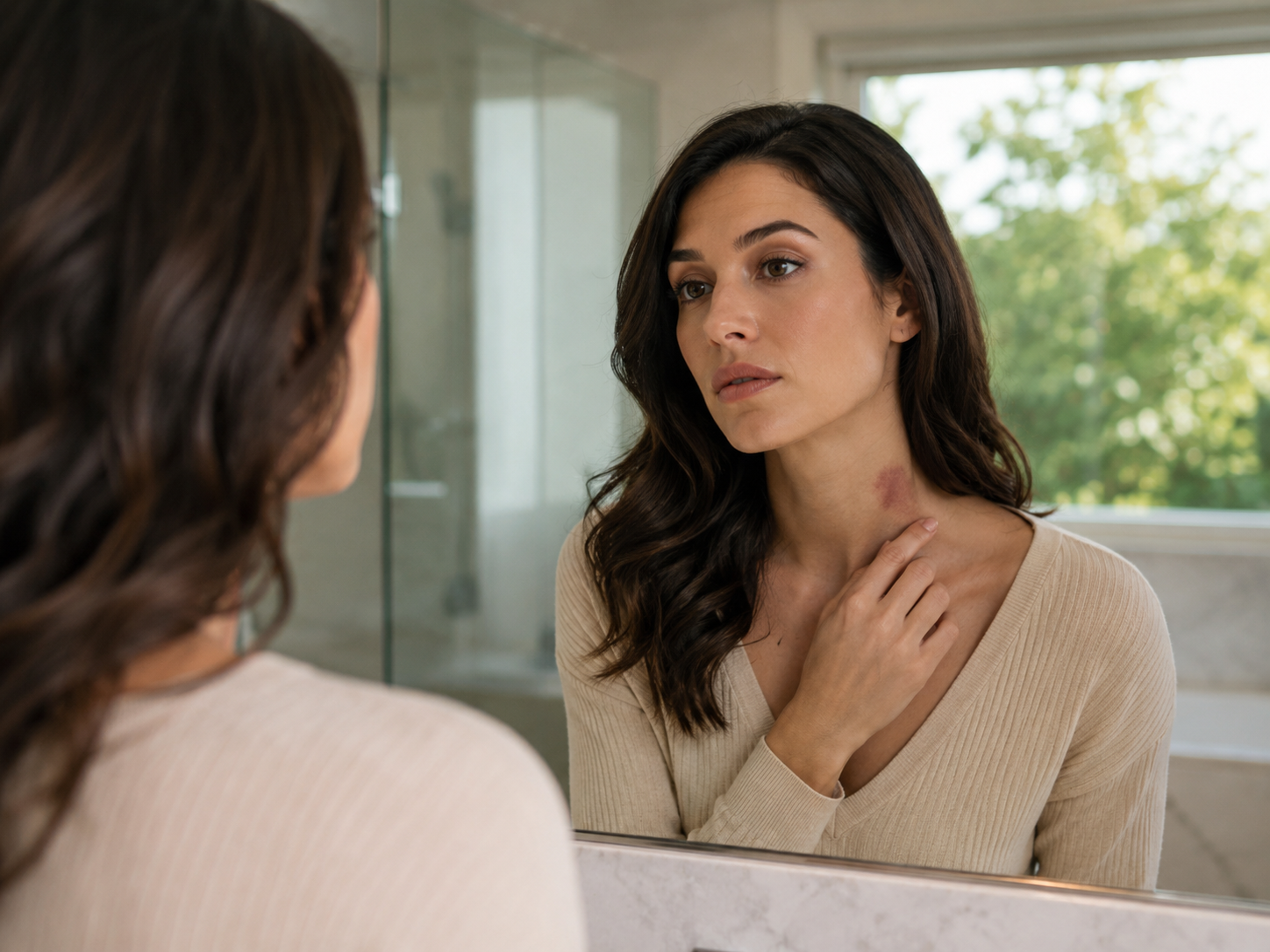
How to Get Rid of a Hickey Fast: Home Remedies, Makeup Tricks, and When to See a Pro
A hickey is a bruise caused by broken capillaries beneath the skin, typically from suction or aggressive kissing, and learning how to remove hickey marks quickly requires understanding the physiological healing process and evidence-based interventions. While internet searches for quick hickey fixes surge daily, the reality is that these visible marks represent localized vascular trauma that follows predictable healing stages similar to other bruising injuries. The discoloration you see—ranging from red or purple in early stages to green, yellow, and brown as healing progresses—reflects hemoglobin breakdown beneath the skin’s surface, a process governed by your body’s inflammatory response and tissue repair mechanisms.
The urgency surrounding how to get rid of hickey marks stems from their conspicuous placement on the neck, collarbone, or other visible areas, making them socially awkward to explain in professional or family settings. According to the WebMD hickey definition and care guide, these marks are medically benign in most cases but can take anywhere from five days to two weeks to resolve completely without intervention. Understanding the difference between methods that genuinely accelerate healing versus those that simply conceal the mark is essential for setting realistic expectations.
This guide examines the clinical evidence behind popular hickey removal remedies, separates effective strategies from viral myths, and outlines professional dermatological options for stubborn cases. We’ll cover the precise timing for cold versus warm compresses, the biochemical rationale behind topical treatments like arnica and vitamin K, professional-grade color correction techniques used by makeup artists, and the specific circumstances where laser treatment or medical consultation becomes appropriate. Whether you need an immediate cover-up solution or want to optimize the biological healing timeline, the following sections provide actionable, research-grounded protocols for addressing these common skin marks.
Cold Compress Versus Warm Compress: Timing and Effectiveness
The most critical factor in using temperature therapy to reduce hickey visibility is applying the correct temperature at the appropriate healing stage. Cold compresses work through vasoconstriction—narrowing blood vessels to minimize blood leakage into surrounding tissue—but this mechanism only provides benefit during the first 24 to 48 hours after the hickey forms. According to the Cleveland Clinic hickey removal guide, applying a cold compress wrapped in a thin cloth for 10 to 15 minutes several times during the first two days can limit the spread of blood beneath the skin and potentially reduce the overall size and intensity of the discoloration.
The technique requires consistency rather than extended single applications. Leaving ice directly on skin risks cold injury, while intermittent application allows tissue to recover between sessions without causing secondary damage. A standard protocol involves placing a cloth-wrapped ice pack or frozen spoon against the hickey for 10 minutes, removing it for 20 minutes, then repeating the cycle. This approach mimics acute injury protocols used for sports-related bruising, where early intervention focuses on damage control rather than healing acceleration.
Warm compresses serve an entirely different physiological purpose and should never be applied during the initial 48-hour window. Heat therapy becomes beneficial after the acute phase, typically starting on day three when the inflammatory cascade has stabilized. Warmth promotes vasodilation and increased circulation, which helps clear the accumulated blood products and cellular debris from the affected area. The GoodRx hickey removal options resource emphasizes that applying heat too early can worsen discoloration by encouraging additional blood flow into already-compromised tissue.
When transitioning to warm compresses, use a clean washcloth soaked in warm (not hot) water, applied for 10 to 15 minutes three to four times daily. This gentle heat application can continue throughout the remainder of the healing period. Some sources suggest alternating gentle massage with warm compress application to mechanically assist lymphatic drainage, though aggressive rubbing can traumatize healing tissue and potentially extend recovery time. The effectiveness of temperature therapy depends entirely on respecting these time-based protocols—cold for containment in the acute phase, warmth for clearance during resolution.

Topical Remedy Options: Arnica, Vitamin K, and Vitamin C Effectiveness
Arnica montana, a flowering plant used in homeopathic medicine, represents one of the most commonly recommended topical treatments for hickey-related bruising. The active compounds in arnica—including helenalin and other sesquiterpene lactones—possess documented anti-inflammatory properties that theoretically reduce swelling and accelerate the resolution of subcutaneous bleeding. Clinical studies on arnica for surgical bruising show mixed results, with some controlled trials demonstrating modest improvements in bruise healing time while others find no significant difference compared to placebo. When applied as a gel or cream formulation to a fresh hickey, arnica may provide marginal benefit by modulating the inflammatory response, though evidence specific to hickey treatment remains limited.
Application protocols typically recommend using arnica gel or cream two to three times daily, gently massaging a thin layer over the affected area without aggressive rubbing that could worsen tissue damage. It’s important to note that arnica should only be applied to unbroken skin, as the compounds can cause irritation or allergic reactions if they penetrate deeper tissue layers through cuts or abrasions. While arnica enjoys widespread use and anecdotal support, its clinical effectiveness for quick hickey fix purposes falls into the category of potentially helpful but not dramatically transformative.
Vitamin K plays a well-established role in blood clotting mechanisms, leading to the logical hypothesis that topical vitamin K creams might accelerate hickey resolution by supporting the body’s coagulation cascade. Dermatologists frequently recommend vitamin K formulations for post-procedure bruising following laser treatments or injections. The mechanism involves vitamin K’s role as a cofactor for gamma-glutamyl carboxylase, an enzyme essential for producing clotting factors. However, the Healthline hickey treatment methods article notes that evidence for topical vitamin K improving existing bruises remains inconclusive, as the vitamin’s primary benefits relate to preventing new bleeding rather than clearing accumulated blood products.
Vitamin C represents another topical option with stronger theoretical backing due to its essential role in collagen synthesis and capillary wall integrity. Ascorbic acid supports the production of collagen and elastin, structural proteins that strengthen blood vessel walls and may reduce the severity of future vascular trauma. Topical vitamin C serums high in L-ascorbic acid can support skin healing processes and potentially reduce the duration of discoloration through their antioxidant properties, which combat free radical damage associated with hemoglobin breakdown. While vitamin C won’t make a hickey disappear overnight, consistent application alongside other healing modalities may incrementally reduce visible healing time. The reality with all topical hickey removal remedies is that they support, rather than replace, the body’s natural healing timeline, offering modest improvements rather than miraculous overnight resolution.
Makeup Color Correction Techniques for Different Skin Tones and Hickey Ages
Professional color correction remains the most immediately effective method to hide hickey with makeup, relying on color theory principles where complementary hues on the color wheel neutralize each other when layered. The specific corrector shade required depends both on your underlying skin tone and the current color stage of the hickey itself. Fresh hickeys displaying red or purple tones require green-based color correctors, as green sits opposite red on the color wheel. As the bruise ages and shifts toward blue or purple hues, peach or orange correctors become more appropriate for light to medium skin tones, while deeper orange or red correctors work better for darker complexions.
The application sequence matters as much as product selection. Begin with a clean, moisturized base, then apply a thin layer of color corrector directly to the discolored area using a small concealer brush or fingertip, gently patting rather than rubbing to avoid disturbing the corrector layer. The goal is complete neutralization—if any underlying discoloration remains visible through the corrector, apply a second thin layer rather than one thick application, which can appear cakey and actually draw more attention to the area. Once the hickey’s color is neutralized to match surrounding skin, apply a full-coverage concealer that precisely matches your skin tone over the corrected area, blending the edges seamlessly into untreated skin.
Setting the concealed area requires strategic powder application to ensure longevity throughout the day. Use a small amount of translucent setting powder applied with a damp makeup sponge using a pressing motion, which locks the concealer in place without disturbing the layers underneath. For hickeys on the neck or collarbone where fabric contact may cause transfer, finishing with a setting spray adds an additional barrier. The Cleveland Clinic hickey removal guide acknowledges that while makeup doesn’t accelerate healing, proper color correction provides immediate cosmetic coverage that can eliminate the social discomfort while biological healing proceeds.
Different hickey ages require adjusted approaches. Day-one hickeys with bright red or purple coloring are paradoxically easier to neutralize than mid-stage hickeys displaying multiple colors simultaneously. When a hickey shows rings of different colors—purple at the center, green at the periphery, yellow at the edges—you may need to apply different corrector shades to different zones before applying concealer. Medium to full-coverage foundations can be built up over properly corrected areas for severe cases, though this technique works better for small hickeys than large ones where excessive product becomes detectable. Practice and quality products make the difference between obvious cover-up and convincing concealment, making this skill valuable for anyone seeking immediate results while natural healing takes its course.
Home Remedies That Do Not Work and Why: Debunking Fork Scraping and Toothpaste Myths
The internet proliferates numerous viral hickey remedies that lack physiological plausibility and can actually worsen skin damage. Among the most persistent myths is the toothpaste application technique, which claims that applying mint toothpaste to a fresh hickey will make it disappear overnight. This method has no scientific basis—toothpaste contains ingredients like sodium lauryl sulfate, fluoride, and abrasive particles designed for dental enamel, not delicate facial or neck skin. The temporary tingling or cooling sensation from menthol creates a subjective impression of ‘doing something,’ but this sensation correlates with mild irritation rather than therapeutic benefit. In reality, toothpaste can cause contact dermatitis, excessive drying, and inflammatory reactions that add redness and irritation to an already-visible mark.
The fork scraping or coin rubbing method represents another dangerous viral trend that misunderstands hickey pathophysiology. This technique instructs users to scrape the hickey firmly with fork tines or rub it vigorously with the edge of a coin to ‘break up’ the bruise and disperse trapped blood. While the concept of mechanically dispersing pooled blood sounds logical, the execution causes additional trauma to already-damaged capillaries and surrounding tissue. According to dermatological principles, aggressive mechanical manipulation of bruised tissue extends healing time by creating secondary injury and can result in larger, more irregularly shaped discolorations. The Healthline hickey treatment methods article explicitly cautions against aggressive rubbing or scraping techniques that traumatize healing tissue.
The banana peel remedy—rubbing the inside of a banana peel on the hickey for 10 to 30 minutes—similarly lacks any evidence base. Proponents claim that vitamins and cooling properties in banana peel accelerate healing, but no peer-reviewed research supports transdermal absorption of beneficial compounds from banana peels, nor would such absorption specifically target hemoglobin breakdown or capillary repair. This remedy persists because it’s harmless and people apply it during the natural healing timeline, creating false correlation between the treatment and improvement that would have occurred regardless.
The alcohol or mouthwash application myth suggests that rubbing alcohol or alcohol-based mouthwash on a hickey will make it fade faster. This approach confuses antiseptic properties relevant for open wounds with bruise healing mechanisms. Alcohol application to intact skin causes drying and irritation without penetrating to the depth where bruise resolution occurs. Similarly, the peppermint oil or essential oil trend can cause contact sensitization and allergic reactions, particularly on the sensitive neck area, without offering genuine therapeutic benefit. The pattern across these ineffective remedies involves misunderstanding the biological processes underlying hickey formation and resolution—these marks represent subcutaneous vascular damage that heals through inflammation resolution and hemoglobin metabolism, processes that cannot be accelerated through topical irritants, mechanical trauma, or substances lacking evidence-based mechanisms of action for bruise treatment.
Professional Treatments Available: Laser Removal and When to Seek Dermatology Care
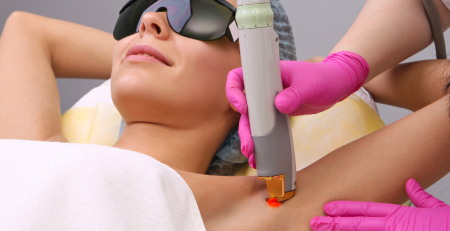
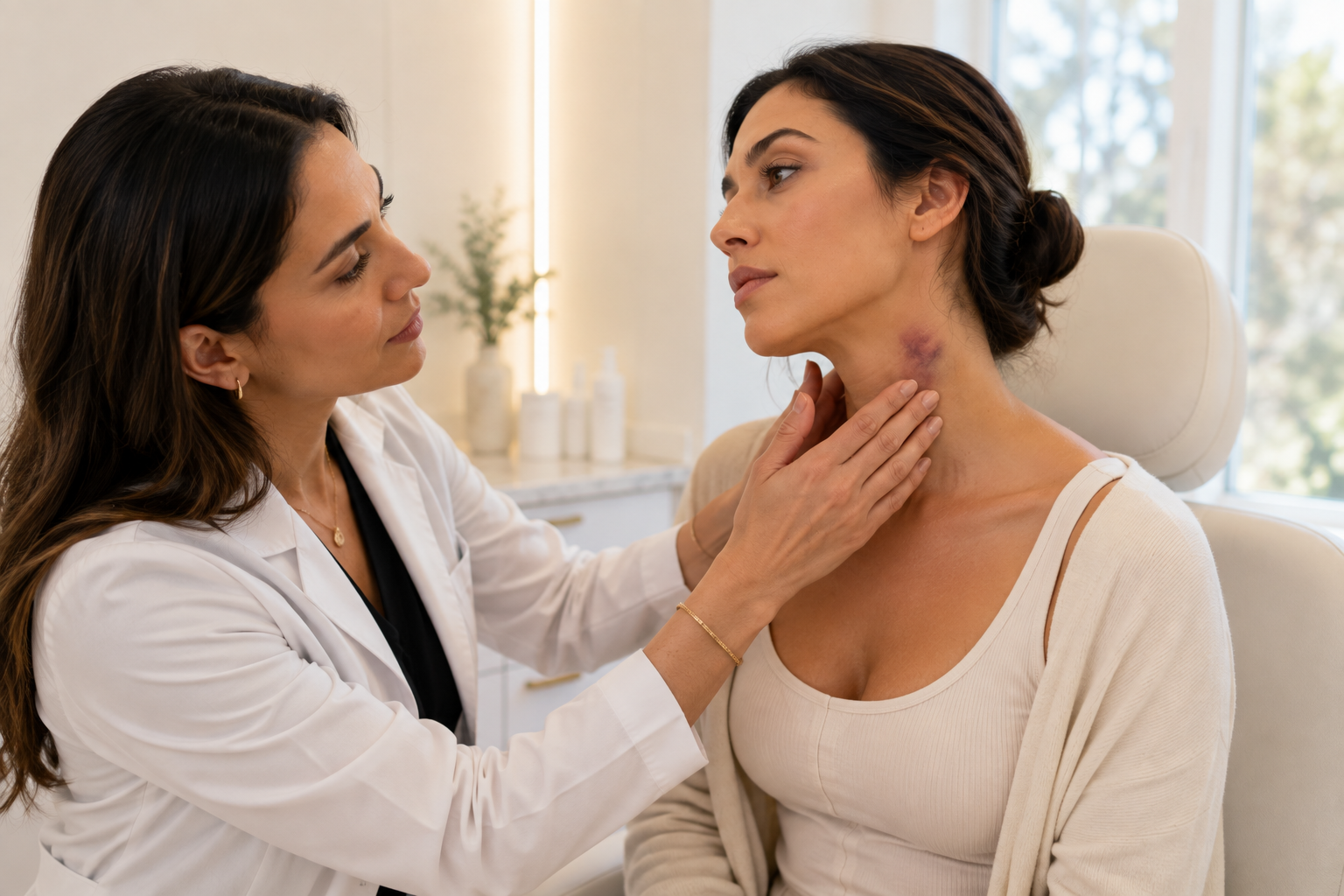
While most hickeys resolve without medical intervention, certain scenarios warrant professional dermatological consultation. Pulsed dye laser (PDL) treatment represents the primary professional option for accelerating hickey resolution, utilizing targeted light energy to break down hemoglobin deposits beneath the skin’s surface. The 595-nanometer wavelength specifically targets oxyhemoglobin, causing selective photothermolysis that fragments the pigmented blood products into smaller particles more readily cleared by the body’s immune system. Dermatologists typically use PDL for vascular lesions including port-wine stains, rosacea, and post-inflammatory erythema, and the same technology can theoretically reduce hickey visibility in fewer days than natural healing allows.
The practical limitations of laser treatment for hickeys include cost considerations, the need for specialized equipment and trained operators, and the fact that most hickeys resolve on their own within a reasonable timeframe. A single PDL session might reduce a prominent hickey’s visibility by several days, but multiple treatments are rarely justified for what remains a cosmetically concerning but medically benign condition. The treatment itself involves brief pulses of light delivered to the affected area, with mild discomfort similar to a rubber band snap and potential for temporary swelling or darkening immediately post-treatment before improvement becomes visible.
Medical consultation becomes genuinely important in several specific circumstances. If a hickey fails to show any signs of fading after two weeks, or if the discoloration worsens rather than improving over time, underlying coagulation disorders or vascular abnormalities may require evaluation. Conditions affecting platelet function or clotting factor production can manifest as unexpectedly severe or persistent bruising from minor trauma. The WebMD hickey definition and care resource notes that while rare, hickeys that produce significant swelling, pain disproportionate to the visible mark, or systemic symptoms like dizziness could indicate complications requiring medical assessment.
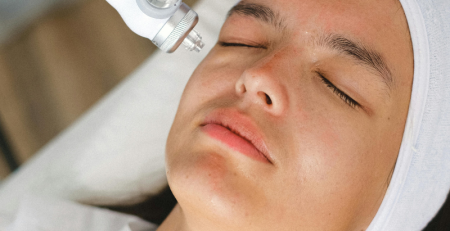
Additional professional interventions sometimes employed for stubborn bruising include microneedling to stimulate collagen remodeling and improve pigment clearance, though this approach is more commonly reserved for post-inflammatory hyperpigmentation or acne scarring rather than acute bruising. Intense pulsed light (IPL) represents another vascular-targeting technology occasionally used for pigmented lesions, though PDL remains the gold standard for hemoglobin-related discoloration. The reality is that the vast majority of hickeys fall into the category of cosmetically inconvenient but medically trivial, making home management with cold compresses, possible topical adjuncts, and effective concealment the most proportionate response. Professional treatment becomes relevant primarily for individuals with upcoming events where visible marks would cause significant personal or professional consequences, or in the uncommon scenarios where persistent or worsening discoloration suggests underlying medical concerns beyond simple bruising.
Clothing and Accessory Covering Strategies as Quick Solutions

When immediate concealment takes priority over accelerated healing, strategic clothing and accessory choices offer the most reliable quick hickey fix without requiring makeup expertise. The specific concealment method depends on hickey location, with neck hickeys presenting the most common challenge due to their typical placement on the sides or front of the neck. Turtleneck sweaters and high-collar shirts provide complete coverage but can appear seasonally inappropriate or draw attention through their unusualness in warm weather or casual settings. The key to effective clothing concealment involves selecting garments that appear contextually normal rather than creating curiosity through obvious departure from your typical style.
Scarves represent the most versatile concealment accessory, offering coverage that can be adjusted throughout the day and styled to match various outfits and occasions. Lightweight infinity scarves work well in temperate weather and can be looped to provide coverage without excessive bulk, while statement scarves in bold patterns or colors can draw the eye away from the neck area entirely. The styling technique matters—a scarf casually draped and loosely tied appears more natural than one conspicuously wrapped tight against the neck. For professional environments where scarves might seem unusual, silk neckerchiefs or bandanas can be incorporated into business casual attire, particularly for women, though men face more limited options in formal workplace settings.
Accessories beyond clothing include adhesive bandages for small hickeys, though this approach trades hickey visibility for the implication of a minor injury or skin condition. Large adhesive bandages covering neck hickeys typically generate more questions than they deflect, making this a less practical option unless you work in an environment where minor injuries are commonplace. Temporary tattoo cover-up patches designed for concealing existing tattoos can work for hickeys, offering opaque coverage that withstands some moisture and friction, though these products can appear conspicuous upon close inspection and may not blend seamlessly with all skin tones.
Hairstyle adjustments provide complementary concealment, particularly for hickeys located on the side of the neck or behind the ear. Letting hair down or styling it forward over the shoulders can obscure neck marks without requiring wardrobe changes, making this approach valuable for individuals with medium to long hair. Strategic hair placement works best in combination with other methods, as movement throughout the day may reveal previously covered areas. The GoodRx hickey removal options guide acknowledges that while concealment doesn’t address the underlying mark, it provides immediate practical solutions for social and professional situations where visible hickeys would cause discomfort or consequences. The most effective strategy often combines multiple approaches—a high-collar shirt with hair styled to provide additional coverage, or a scarf paired with color-correcting makeup for situations requiring closer interaction where fabric coverage alone might not suffice.
Timeline and Expectations: Realistic Healing Duration and Daily Progression
Understanding the typical hickey healing time establishes realistic expectations and helps distinguish normal progression from complications requiring medical attention. The standard healing timeline for a hickey mirrors that of other minor bruising injuries, generally spanning five to twelve days depending on initial severity, individual healing capacity, and interventions applied. This timeline reflects the sequential biochemical processes required to clear extravasated blood and repair damaged capillaries, processes that cannot be dramatically accelerated through home remedies despite marketing claims suggesting overnight resolution.
The first 24 to 48 hours represent the acute inflammatory phase, during which the hickey appears most vivid, typically displaying red or purple coloration. During this window, the broken capillaries continue releasing blood into surrounding tissue until natural clotting mechanisms seal the damaged vessels. This explains why immediate cold compress application during this period can limit final hickey size by promoting vasoconstriction and reducing additional blood leakage. The discoloration may actually appear slightly worse on day two compared to day one as blood continues pooling and the full extent of capillary damage becomes visible.
Days three through five mark the transition period where the hickey typically darkens further before beginning improvement, shifting from red-purple toward blue-purple or brownish hues. This color change reflects the breakdown of hemoglobin into biliverdin and bilirubin, the same pigments responsible for the color progression of any bruise. During this phase, the body’s macrophages actively engulf and metabolize the accumulated blood products, a process that generates the characteristic color shifts. This is the appropriate time to begin warm compress application, as increased circulation supports the clearance of cellular debris without worsening the initial injury.
The resolution phase, spanning roughly day six through complete healing, demonstrates progressive lightening as the hickey transitions through green, yellow, and light brown stages before finally matching surrounding skin tone. The green coloration comes from biliverdin, while yellow reflects bilirubin accumulation. These color changes indicate normal healing progression rather than worsening injury. Individual factors affecting healing duration include age (younger individuals typically heal faster due to more robust cellular repair mechanisms), overall health status, nutritional factors like vitamin C and protein intake that support tissue repair, and smoking status, as tobacco use impairs circulation and wound healing processes. The Cleveland Clinic hickey removal guide emphasizes that while various remedies may provide marginal improvements, the fundamental healing timeline remains biologically determined and cannot be circumvented through topical treatments or home remedies promising miraculous overnight results. Setting appropriate expectations prevents unnecessary anxiety about normal healing progression and helps individuals make proportionate decisions about when concealment versus waiting for natural resolution makes the most practical sense.
Frequently Asked Questions (FAQs)
How do you get rid of a hickey fast?
The fastest approach combines cold compress application during the first 48 hours to limit blood spread, followed by warm compresses after day two to promote circulation and clearance of accumulated blood products. Applying arnica gel or vitamin K cream may provide modest support for the healing process. However, no method can eliminate a hickey overnight, as the mark represents subcutaneous bruising that requires biological processes to resolve, typically taking five to twelve days. For immediate results, professional color-correcting makeup using green correctors for red hickeys or peach correctors for purple tones provides the most reliable quick concealment.
Can you remove a hickey overnight?
No scientifically supported method can completely remove hickey marks overnight. Hickeys are bruises caused by broken capillaries beneath the skin, and healing requires the body to metabolize accumulated blood products through inflammation resolution and hemoglobin breakdown, processes that take multiple days regardless of intervention. Viral remedies claiming overnight removal, such as toothpaste application or fork scraping, lack evidence and can worsen skin damage. The most realistic overnight goal is effective concealment using color-correcting makeup and concealer, which can make the hickey visually undetectable while natural healing proceeds over the subsequent week.
What is the best way to hide a hickey with makeup?
The most effective technique uses color theory principles to neutralize the hickey’s discoloration before concealing. Apply a green color corrector to fresh red or purple hickeys, or use peach or orange correctors for darker purple or blue tones, depending on your skin tone. Pat the corrector gently over the hickey until the color is neutralized, then apply a full-coverage concealer that matches your exact skin tone over the corrected area, blending edges seamlessly. Set with translucent powder using a pressing motion and finish with setting spray for long-lasting coverage. This layered approach provides immediate cosmetic concealment that can last throughout the day.
How long does a hickey take to go away?
Most hickeys heal completely within five to twelve days without treatment, though severe cases may persist up to two weeks. The healing timeline depends on the initial severity of capillary damage, individual healing capacity, age, overall health, and whether supportive interventions like cold and warm compresses are applied appropriately. The hickey progresses through predictable color stages—starting red or purple, transitioning to blue or brown by days three to five, then shifting to green and yellow during the resolution phase before finally matching surrounding skin tone. Factors like smoking, poor nutrition, or underlying clotting disorders can extend healing time beyond typical ranges.
Does ice help a hickey?
Ice or cold compresses help hickeys only when applied during the first 24 to 48 hours after the mark forms. Cold application works through vasoconstriction, narrowing blood vessels to minimize continued blood leakage into surrounding tissue, potentially limiting the final size and intensity of the discoloration. The technique requires wrapping ice in cloth and applying for 10 to 15 minutes several times during the acute phase, never placing ice directly on skin to avoid cold injury. After the initial 48-hour window, cold application provides no additional benefit and warm compresses become more appropriate to promote circulation and clearance of accumulated blood products.
When should you see a dermatologist for a hickey?
Medical consultation becomes appropriate if a hickey fails to show improvement after two weeks, worsens rather than fading over time, or is accompanied by significant swelling, disproportionate pain, or systemic symptoms like dizziness. These signs may indicate underlying coagulation disorders, vascular abnormalities, or complications beyond simple bruising. Dermatologists can offer pulsed dye laser treatment to accelerate hickey resolution for individuals with upcoming important events where visible marks would cause significant consequences. However, the vast majority of hickeys represent cosmetically inconvenient but medically benign conditions that resolve through natural healing processes without requiring professional medical intervention.
Medical Disclaimer: This content is for educational purposes only and is not a substitute for personalized medical advice. Individual results vary. Schedule a consultation with Dr. Neetu Nebhwani at LA ViE MD to determine the best treatment for your skin or wellness goals.