Daxxify vs Dysport vs Botox: How to Choose the Right Neurotoxin in 2026
Daxxify vs Botox is one of the most common questions patients ask when comparing FDA-approved neurotoxins for wrinkle reduction in 2026. Both Daxxify and Botox—along with Dysport—are botulinum toxin type A formulations that temporarily block acetylcholine release at neuromuscular junctions, relaxing the injected muscle and preventing dynamic wrinkle formation. While all three products share the same core mechanism, they differ significantly in formulation, duration of effect, cost, and ideal treatment areas. Daxxify (DaxibotulinumtoxinA-lanm) was FDA-approved in 2022 and uses a peptide excipient that extends neuromuscular blockade duration to an average of six months, compared to the three-to-four-month longevity typical of both Botox (OnabotulinumtoxinA) and Dysport (AbobotulinumtoxinA).
Understanding the difference between Botox and Dysport, and how Daxxify fits into the landscape, requires a close look at each product’s mechanism, FDA-approved indications, session frequency, cost, and side effects. Botox has been the gold standard for decades, FDA-approved for glabellar lines, forehead lines, and crow’s feet, with a well-documented safety profile and predictable results. Dysport, which features a smaller protein complex that allows broader diffusion, is FDA-approved for glabellar lines and cervical dystonia and may offer a slightly faster onset. Daxxify represents the next generation of neurotoxins: it is currently FDA-approved for glabellar lines and offers the longest-lasting results of any wrinkle relaxer on the market, appealing to patients who want fewer annual injections and those who metabolize standard Botox quickly.
At LA ViE MD, our physician-led teams across the Bay Area provide evidence-based neurotoxin consultations to help you determine which product aligns with your treatment goals, budget, and lifestyle. Whether you live in Danville, Los Gatos, Livermore, or Dublin, you have access to all three FDA-approved formulations and expert guidance on timing, dosing, and expected outcomes. This guide breaks down the clinical differences between Daxxify, Dysport, and Botox so you can make an informed decision about which wrinkle relaxer is best for you.
What Are Neurotoxins and How Do They Work?
Neurotoxins used in medical aesthetics are purified formulations of botulinum toxin type A, a protein derived from the bacterium Clostridium botulinum. When injected in controlled, therapeutic doses, these neurotoxins temporarily block the release of acetylcholine at the neuromuscular junction, preventing the targeted muscle from contracting. This relaxation smooths the overlying skin and reduces the appearance of dynamic wrinkles—lines that form with repeated facial expressions such as frowning, squinting, or raising the eyebrows. The FDA cosmetic injectable guidance classifies these products as prescription medicines, requiring administration by a licensed medical professional.
All three neurotoxins—Botox, Dysport, and Daxxify—share this core mechanism but differ in their formulation details. Botox (OnabotulinumtoxinA) is the original and most widely studied neurotoxin, FDA-approved since 2002 for cosmetic use in the glabellar region and later expanded to include forehead lines and crow’s feet. Dysport (AbobotulinumtoxinA) features a smaller protein complex, which allows the product to diffuse more broadly across the treatment area and may produce a slightly faster onset—often within 24 to 48 hours. Daxxify (DaxibotulinumtoxinA-lanm), approved by the FDA in 2022, incorporates a stabilizing peptide instead of human or animal-derived proteins, which prolongs the duration of neuromuscular blockade and extends results to an average of six months.
The effects of all three products are temporary and fully reversible. As acetylcholine receptors regenerate and new nerve terminals form, muscle activity gradually returns to baseline. This is why maintenance sessions are required every three to four months for Botox and Dysport, and every six months for Daxxify. Understanding these mechanisms is essential when comparing neurotoxin options, as the duration, diffusion pattern, and dosing requirements directly influence treatment frequency, cost, and patient satisfaction.
Daxxify vs Botox vs Dysport: Key Differences
A side-by-side neurotoxin comparison reveals meaningful differences in formulation, FDA approval, session frequency, and cost that can influence your treatment choice. The table below summarizes the clinical characteristics of each product based on manufacturer data and FDA labeling:
| Neurotoxin | Active Ingredient | FDA-Approved Indications | Session Frequency | Typical Cost Per Session | Downtime |
|---|---|---|---|---|---|
| Botox | OnabotulinumtoxinA | Glabellar lines, forehead lines, crow’s feet | Every 3–4 months | $12–$20/unit; typical full-face 40–60 units ($480–$1,200) | None |
| Dysport | AbobotulinumtoxinA | Glabellar lines, cervical dystonia | Every 3–4 months | Lower per-unit cost; more units required per treatment | None |
| Daxxify | DaxibotulinumtoxinA-lanm | Glabellar lines | Every 6 months average | Typically 10–20% premium over Botox per treatment, offset by longer duration | None |
The most clinically significant difference between these three products is duration. Daxxify’s peptide-based formulation extends the neuromuscular blockade to an average of six months, with some patients reporting results lasting up to nine months. In contrast, both Botox and Dysport typically require retreatment every three to four months to maintain smooth, wrinkle-free skin. This extended duration makes Daxxify particularly appealing to patients who want to reduce the frequency of clinic visits or who have historically metabolized Botox quickly. However, Daxxify is currently FDA-approved only for glabellar lines (the vertical frown lines between the eyebrows), while Botox holds approvals for glabellar lines, forehead lines, and crow’s feet, offering broader on-label treatment options.
Another key distinction is the diffusion pattern of Dysport. Because Dysport has a smaller protein complex, it spreads more broadly after injection, which can be advantageous for treating larger areas such as the forehead. This broader diffusion also means that Dysport is typically dosed at a higher unit count than Botox—approximately 2.5 Dysport units equal one Botox unit—though the per-unit cost is lower. Patients who prefer a faster onset may favor Dysport, as visible results often appear within 24 to 48 hours compared to the two-to-four-day onset typical of Botox. The AAD neurotoxin overview provides additional context on how these formulation differences affect clinical outcomes.

How Long Does Each Neurotoxin Last?
Duration of effect is one of the most important factors when choosing between Daxxify, Botox, and Dysport. Patients often ask, ‘How long does Daxxify last compared to Botox?’ and ‘Which lasts longer Daxxify or Botox?’ The answer is clear: Daxxify offers the longest-lasting results of any FDA-approved wrinkle relaxer currently available. Clinical trials and real-world use demonstrate that Daxxify maintains wrinkle reduction for an average of six months, with a subset of patients experiencing results that extend to nine months. This represents a significant improvement over the three-to-four-month longevity typical of both Botox and Dysport.
Botox longevity is well-documented, with results typically lasting three to four months for most patients. Importantly, longevity increases with consistent treatment: patients who maintain a regular injection schedule often notice that their results last progressively longer as the treated muscles adapt to reduced activity. This phenomenon is supported by long-term observational data showing that habitual Botox users may extend their intervals between sessions over time. Dysport also lasts three to four months on average, though some patients report a slightly faster onset of action within the first 24 to 48 hours compared to Botox’s two-to-four-day timeline. However, this faster onset does not translate to a longer total duration.
The extended duration of Daxxify is attributable to its peptide excipient, which stabilizes the botulinum toxin molecule and prolongs the blockade of acetylcholine release at the neuromuscular junction. For patients with busy schedules, those who travel frequently, or individuals who simply prefer fewer injections per year, Daxxify’s six-month duration can improve convenience and reduce the cumulative cost of treatment over time. However, it is important to note that individual results vary based on factors such as metabolism, muscle mass, injection technique, and dosing. During your consultation at any of our Bay Area clinics—including our Livermore location—your provider will discuss realistic expectations for how long each neurotoxin is likely to last based on your unique physiology and treatment history.

Cost Comparison: Which Neurotoxin Is Most Affordable?
Cost is a practical consideration for most patients, and understanding how to compare pricing across Daxxify, Botox, and Dysport requires looking beyond the per-unit price. Botox is typically priced at $12 to $20 per unit, with a full-face treatment requiring 40 to 60 units, resulting in a session cost between $480 and $1,200. Dysport has a lower per-unit cost, but because the product is dosed at approximately 2.5 units for every one unit of Botox, the total cost per session is often comparable. The broader diffusion of Dysport can make it more efficient for treating larger areas like the forehead, potentially reducing the total number of units required.
Daxxify typically carries a 10 to 20 percent premium over Botox per treatment session. However, because Daxxify lasts an average of six months compared to Botox’s three to four months, the annualized cost can be lower despite the higher upfront price. For example, a patient who spends $600 on Botox every three months will pay $2,400 per year, while a patient who spends $720 on Daxxify every six months will pay $1,440 per year—a significant savings over time. This makes Daxxify an economically attractive option for patients who prioritize convenience and long-term value over the lowest per-session cost.
It is also worth noting that the cost-effectiveness of each neurotoxin depends on individual response and treatment goals. Patients with strong facial muscles or those who metabolize neurotoxins quickly may require higher doses or more frequent sessions, which can increase the total cost regardless of which product they choose. The Mayo Clinic Botox guide provides additional information on factors that influence neurotoxin pricing and patient outcomes. At our Dublin and other Bay Area locations, we offer transparent, per-unit pricing and can help you calculate the most cost-effective treatment plan based on your aesthetic goals and budget.
Side Effects and Safety Profile of Each Option
The side effect profiles of Daxxify, Botox, and Dysport are remarkably similar, as all three are botulinum toxin type A formulations with decades of combined clinical use and rigorous safety data. Common side effects across all three products include mild bruising at the injection site, temporary headache, and, in rare cases, ptosis (drooping of the eyelid) if the product is improperly placed. These side effects are typically mild and resolve within a few days to two weeks without intervention. All three neurotoxins have been extensively studied and are considered safe when administered by trained, licensed medical professionals.
Botox has the longest track record of any neurotoxin, with over 20 years of cosmetic use and hundreds of peer-reviewed studies documenting its safety and efficacy. This extensive history provides both providers and patients with confidence in its predictable outcomes and well-characterized risk profile. Dysport has a similar safety profile to Botox, though its broader diffusion pattern means that careful dosing and precise injection technique are essential to avoid unintended spread to adjacent muscle groups. Patients who have experienced side effects such as eyelid droop or uneven results with one neurotoxin may benefit from switching to another formulation with a different diffusion pattern.
Daxxify’s safety data, while more recent, aligns closely with that of Botox and Dysport. The most common side effects reported in clinical trials were headache and injection site reactions, with no increased incidence of serious adverse events. One unique aspect of Daxxify is its peptide-based excipient, which eliminates the need for human or animal-derived proteins and may reduce the theoretical risk of allergic reactions in sensitive patients. However, all neurotoxins carry a small risk of side effects, and patients should disclose their full medical history, including any history of neuromuscular disorders, pregnancy, or breastfeeding, during their consultation. For more detailed comparisons, the Dysport and Botox comparison on Healthline offers a patient-friendly overview of safety considerations.

Which Neurotoxin Is Right for Your Treatment Goals?
Selecting the best neurotoxin depends on your specific aesthetic goals, lifestyle preferences, budget, and treatment history. Botox remains the gold standard for patients who want a proven, versatile option with FDA approvals for multiple facial areas including the glabella, forehead, and crow’s feet. It is an excellent choice for adults with dynamic wrinkles—lines that appear with movement—and for those starting preventive treatment in their late twenties or thirties. Botox’s predictable diffusion pattern and well-documented safety profile make it a reliable option for first-time neurotoxin users and experienced patients alike.
Dysport is best suited for patients treating larger areas where broader diffusion is beneficial, such as the forehead. Its slightly faster onset—often visible within 24 to 48 hours—appeals to patients who want quicker results, and its lower per-unit cost can make it an economical choice when higher unit counts are required. Dysport is also a strong option for patients who prefer a more natural, softer result, as the broader spread can create a subtle, even effect across larger muscle groups. However, precise dosing and expert injection technique are critical to avoid unintended diffusion into adjacent areas.
Daxxify is ideal for patients who prioritize convenience and want the longest-lasting results available. If you metabolize standard Botox or Dysport quickly, or if you simply prefer fewer clinic visits per year, Daxxify’s six-month duration makes it the clear choice. It is also an excellent option for patients with busy schedules, frequent travelers, and those who want to reduce the cumulative number of injections over time. While Daxxify is currently FDA-approved only for glabellar lines, off-label use for other areas is common and can be discussed during your consultation. Best candidates for any of these neurotoxins include adults with dynamic wrinkles who are in good general health and have realistic expectations about the gradual, natural-looking results these products deliver.

What to Expect During and After Your Neurotoxin Treatment

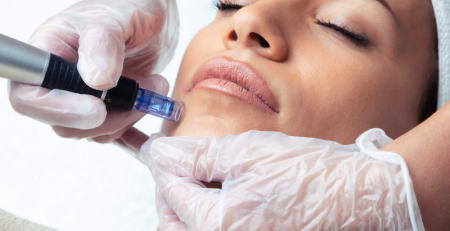
Neurotoxin injections are quick, minimally invasive procedures typically completed in 10 to 20 minutes. During your appointment, your provider will assess your facial anatomy, discuss your aesthetic goals, and determine the appropriate product, dosing, and injection sites. The treatment involves a series of small injections delivered with a fine needle into the targeted muscles. Most patients describe the sensation as a brief pinch or pressure, and topical numbing is rarely required.
After your injections, specific aftercare instructions apply to optimize results. Botox requires you to avoid lying down for 4 hours post-injection to prevent the product from migrating to unintended areas. Both Daxxify and Dysport require no downtime, though similar precautions are recommended. You should refrain from vigorous exercise, saunas, and facial massage for 24 hours following all three treatments. Mild bruising at injection sites is a common side effect for Botox, Daxxify, and Dysport, along with temporary headaches. Rare ptosis can occur if the product is improperly placed. These effects typically resolve within a few hours to two days.
Results appear at different rates depending on the neurotoxin selected. Dysport onset occurs within 24 to 48 hours, which is slightly faster than Botox. Both Botox and Daxxify typically become visible within two to four days, with full results apparent within 10 to 14 days for all three products. When evaluating Daxxify vs Botox for longevity, Daxxify delivers an average of 6 months of results—with some patients reporting up to 9 months—compared to Botox’s 3 to 4 months. Dysport also lasts 3 to 4 months.
Maintenance sessions are essential to sustain your results. Botox and Dysport require retreatment every 3 to 4 months, while Daxxify extends this interval to every 6 months on average. Botox longevity increases with consistent treatment as the injected muscles adapt to reduced activity. Your provider will establish a personalized treatment schedule that aligns with your goals, budget, and lifestyle preferences.
Frequently Asked Questions (FAQs)
What is the difference between Daxxify and Botox?
Daxxify and Botox are both botulinum toxin type A neurotoxins that temporarily relax facial muscles to reduce wrinkles. The primary difference is duration: Daxxify uses a peptide excipient that extends results to an average of six months, while Botox typically lasts three to four months. Daxxify is currently FDA-approved only for glabellar lines, whereas Botox is approved for glabellar lines, forehead lines, and crow’s feet. Both have similar side effect profiles and require no downtime.
How long does Daxxify last compared to Botox?
Daxxify lasts an average of six months, with some patients reporting results up to nine months. Botox typically lasts three to four months, though longevity can increase with consistent treatment over time. Daxxify’s extended duration is due to its peptide-based formulation, which prolongs neuromuscular blockade. This makes Daxxify ideal for patients who want fewer annual injections and reduced treatment frequency.
Is Daxxify better than Dysport?
Whether Daxxify is better than Dysport depends on your treatment goals. Daxxify lasts significantly longer—an average of six months compared to Dysport’s three to four months—making it more convenient for patients who want fewer sessions. Dysport has a broader diffusion pattern and faster onset, which can be beneficial for treating larger areas like the forehead. Both have similar safety profiles, and the best choice depends on your aesthetic priorities, budget, and lifestyle.
Which lasts longer Daxxify or Botox?
Daxxify lasts longer than Botox. Daxxify provides wrinkle reduction for an average of six months, with some patients experiencing results for up to nine months. Botox typically lasts three to four months. This extended duration is due to Daxxify’s peptide excipient, which stabilizes the botulinum toxin molecule and prolongs the blockade of acetylcholine release at the neuromuscular junction. Patients who metabolize Botox quickly or prefer fewer clinic visits often choose Daxxify.
What are the side effects of Daxxify vs Botox?
The side effects of Daxxify and Botox are very similar. Both can cause mild bruising at the injection site, temporary headache, and, in rare cases, ptosis if improperly placed. Both products have been extensively studied and are considered safe when administered by trained medical professionals. Daxxify uses a peptide excipient instead of human or animal-derived proteins, which may reduce the theoretical risk of allergic reactions, but overall safety profiles are comparable.
How much does Daxxify cost compared to Botox?
Daxxify typically costs 10 to 20 percent more per treatment session than Botox. However, because Daxxify lasts an average of six months compared to Botox’s three to four months, the annualized cost can be lower. For example, two Daxxify treatments per year may cost less than three to four Botox treatments. Botox is priced at $12 to $20 per unit, with full-face treatments ranging from $480 to $1,200, while Daxxify pricing reflects a modest premium offset by longer duration.
Medical Disclaimer: This content is for educational purposes only and is not a substitute for personalized medical advice. Individual results vary. Schedule a consultation with Dr. Neetu Nebhwani at LA ViE MD to determine the best treatment for your skin or wellness goals.