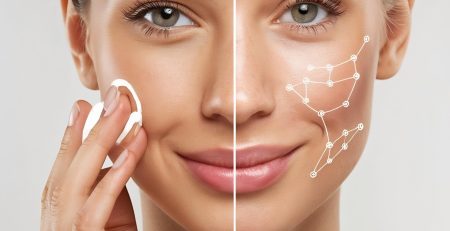
Microneedling or Microneedling with PRP: Is the Upgrade Worth It?
Healthy-looking skin isn’t about achieving perfection. It’s about finding treatments that support your skin’s natural renewal process.
If you’ve been researching treatments for acne scars, uneven texture, enlarged-looking pores, or early signs of aging, you’ve probably come across microneedling. You may also have heard about an enhanced version called microneedling with platelet-rich plasma (PRP).
Both treatments are popular in medical aesthetics, but they aren’t exactly the same.
Traditional microneedling uses controlled micro-injuries to stimulate your skin’s natural healing response. Adding PRP introduces a concentrated preparation of platelets from your own blood, which may support the tissue-repair process.
But does adding PRP actually deliver better results? Is the additional cost justified? And which option makes more sense for your skin concerns?
In this guide, we’ll explore microneedling or microneedling with PRP, including how each treatment works, potential benefits, clinical evidence, recovery expectations, and when the upgrade may be worthwhile.
What Is Traditional Microneedling?
Microneedling, also known as collagen induction therapy, is a minimally invasive procedure that uses a specialized device equipped with tiny needles to create controlled microscopic channels in the skin.
These micro-injuries activate the body’s wound-healing response, which includes processes involved in producing collagen and elastin.
Collagen helps provide structural support to the skin, while elastin contributes to flexibility and resilience.
As skin heals and remodels over time, microneedling may improve the appearance of certain acne scars, fine lines, and uneven texture.
How Does Traditional Microneedling Work?
A typical professional microneedling session involves:
Step 1: Skin Assessment and Preparation
A trained provider evaluates your skin, reviews potential contraindications, cleanses the treatment area, and may apply a topical numbing cream.
Step 2: Controlled Microneedling
A professional microneedling device creates tiny, controlled punctures in the skin. Needle depth and treatment technique are selected according to the treatment area and individual needs.
Step 3: Natural Skin Repair
Following the procedure, your skin begins its healing response. Collagen remodeling continues gradually over the following weeks and months.
Potential Benefits of Traditional Microneedling
Professional microneedling may help:
Reduce the appearance of certain atrophic acne scars.
Improve uneven skin texture.
Soften the appearance of fine lines and wrinkles.
Support gradual collagen remodeling.
Improve the overall appearance of skin smoothness.
Results develop over time, and a series of treatments may be recommended depending on the concern being addressed.
Microneedling does not completely erase scars, permanently remove pores, or stop the natural aging process.

What Is Microneedling with PRP?
Microneedling with PRP combines traditional collagen induction therapy with platelet-rich plasma prepared from the patient’s own blood.
PRP contains a concentrated portion of blood platelets, which release signaling proteins and growth factors involved in tissue repair.
The purpose of adding PRP is to potentially enhance the skin’s response to treatment.
How Is PRP Prepared?
The process typically includes three steps.
1. Blood Collection
A qualified healthcare professional collects a small sample of the patient’s blood.
2. PRP Separation
The blood sample is processed using a centrifuge, which separates components based on their density and allows the provider to prepare a platelet-rich fraction.
3. PRP Application
Following or during microneedling, PRP may be applied to the treated skin according to the provider’s protocol. Some treatment approaches involve injections of PRP, which are separate from topical application.
Because PRP preparation techniques and treatment protocols vary, outcomes can differ between providers.
Importantly, the FDA has not cleared microneedling devices specifically for delivering PRP or other blood products into the skin. Patients should discuss the intended technique, evidence, and risks with their healthcare provider.
Is Microneedling with PRP More Effective?
This is the most important question when considering whether the upgrade is worth it.
Research suggests that adding PRP may improve treatment outcomes for certain concerns, particularly atrophic acne scars.
However, the strength of evidence varies depending on the condition being treated.
Microneedling with PRP for Acne Scars
Atrophic acne scars are depressed scars that can develop when inflammation damages skin tissue and normal collagen structure.
These scars may include rolling, boxcar, and ice-pick types, although different scar patterns respond differently to treatment.
Traditional microneedling can help improve some atrophic scars by encouraging collagen remodeling.
Researchers have also studied whether adding PRP produces greater improvement.
A 2022 meta-analysis of 14 controlled studies involving 472 participants found that microneedling combined with PRP was associated with better acne scar improvement and higher patient satisfaction than microneedling without PRP.
The results are encouraging, but they do not mean that every patient will experience a dramatic difference.
Studies vary in treatment methods, PRP preparation, acne scar severity, and outcome measurements.

Microneedling with PRP for Fine Lines and Skin Texture
Microneedling alone can help soften certain fine lines and improve the appearance of uneven skin texture.
PRP contains growth factors involved in tissue repair, providing a scientific rationale for investigating additional benefits.
However, evidence that PRP consistently improves cosmetic outcomes beyond microneedling alone is less established for general skin rejuvenation than for acne scarring.
For someone primarily interested in mild texture refinement, traditional microneedling may already offer a reasonable treatment option.
Does PRP Increase Collagen Production?
Both microneedling and PRP-based treatments involve biological processes associated with tissue repair.
Research suggests that their combination may influence collagen remodeling.
However, claiming that PRP always produces more collagen, delivers a specific percentage improvement, or makes treatment results last significantly longer would go beyond the available evidence.
Clinical outcomes depend on individual healing responses, treatment technique, skin condition, and other factors.
Is the PRP Upgrade Worth It for Acne Scars?
For some patients, particularly those with noticeable atrophic acne scarring, adding PRP may be worth discussing.
The strongest reason to consider the combination is evidence suggesting additional improvement in acne scar appearance compared with microneedling alone.
That said, treatment selection should account for scar type and severity.
For example, deep ice-pick scars may respond better to targeted procedures such as TCA CROSS or other clinician-selected techniques than to microneedling alone.
A qualified provider may recommend a combination of treatments rather than relying exclusively on microneedling or PRP.
The goal should be selecting the most appropriate treatment for your specific scars, not simply choosing the option with more steps.
Microneedling vs. PRP Microneedling: Recovery and Downtime
Recovery is another important consideration.
Both treatments intentionally create controlled skin injury, so temporary inflammation is expected.
Recovery After Traditional Microneedling
Common short-term effects may include:
Redness similar to a mild sunburn.
Temporary swelling or tenderness.
Skin tightness or dryness.
Mild peeling or flaking.
Increased sensitivity to certain skincare products.
Redness often improves within a few days, although healing times vary with treatment intensity and individual skin response.
Recovery After Microneedling with PRP
Microneedling combined with PRP generally involves similar recovery considerations.
Some research has investigated whether PRP can improve post-treatment recovery or reduce inflammation, but faster healing is not guaranteed.
Additional bruising may occur at the blood collection site, and treatment-related effects depend on whether PRP is applied topically or injected.
Important Aftercare Considerations
After either treatment, follow your provider’s specific instructions.
General recommendations often include:
- Using a gentle cleanser and moisturizer.
- Avoiding unnecessary touching or rubbing of treated skin.
- Temporarily avoiding retinoids, acids, scrubs, and other potentially irritating products.
- Limiting heat exposure and strenuous exercise until advised.
- Protecting the skin from sunlight.
- Using sunscreen when appropriate for the stage of healing.
Makeup and skincare product recommendations may vary during the first stages of recovery.
Seek medical advice if redness worsens instead of improving, or if you develop increasing pain, pus, fever, or other signs of infection.
Does Microneedling with PRP Hurt More?
Both treatments may cause discomfort, but providers often use topical numbing medication before microneedling.
Patients commonly describe the sensation as mild scratching, pressure, or prickling.
Adding PRP involves a blood draw, which may create brief discomfort at the collection site.
If the treatment protocol includes PRP injections, additional discomfort may occur.
Pain tolerance varies, and individual treatment techniques can influence the experience.
Discuss any history of sensitivity to local anesthetics, fainting during blood draws, or significant procedure anxiety with your provider before treatment.
Who May Benefit from Microneedling with PRP?
Microneedling with PRP may be considered for patients who:
- Have atrophic acne scars that may benefit from additional treatment.
- Want to explore combination treatment options.
- Are medically suitable for microneedling and blood collection.
- Understand the additional cost and uncertain degree of benefit.
- Have realistic expectations about gradual results.
PRP may be unsuitable for patients with certain blood or platelet disorders, active infections, or other medical concerns.
A healthcare provider should determine eligibility after evaluating the patient’s medical history and treatment goals.

Can You Combine Microneedling with Other Skin Treatments?
Depending on individual needs, microneedling may be incorporated into a broader skincare treatment plan.
For certain concerns, a provider may discuss treatments such as chemical peels, laser-based procedures, or other scar-focused approaches.
These treatments are not necessarily performed during the same appointment.
Combining procedures without sufficient healing time can increase the risk of irritation, inflammation, and complications.
Treatment sequencing should be guided by clinical assessment rather than assuming that more treatments automatically produce better results.
Microneedling vs. Microneedling with PRP: Is the Upgrade Worth It?
The answer depends on what you want to improve.
If your main concerns are mild texture irregularities or early fine lines, traditional microneedling may offer an appropriate starting point.
If you have certain types of atrophic acne scars, the combination of microneedling and PRP may offer additional benefit based on available clinical studies.
However, PRP is not a guaranteed improvement for every skin concern, and the evidence is not equally strong across all indications.
Consider PRP an option worth evaluating, not an automatic upgrade that everyone needs.
The most valuable investment is an individualized treatment plan based on your skin concerns, safety considerations, and realistic goals.
Whether you’re exploring traditional microneedling, microneedling with PRP, or other professional skin treatments, your skin type, concerns, medical history, and expectations deserve careful consideration.
If you’re interested in improving the appearance of acne scars, uneven skin texture, or fine lines, schedule a consultation to learn which approach may be appropriate for you.Your skin deserves a thoughtful, personalized approach.
LA ViE MD — Skin, Laser & Wellness Center
Frequently Asked Questions
1. Is microneedling with PRP better than regular microneedling?
Microneedling with PRP may provide additional benefits for certain types of atrophic acne scars. However, evidence of superior results for every cosmetic concern is limited. The best choice depends on individual skin needs.
2. Is PRP worth adding to microneedling?
PRP may be worth considering for some patients with acne scarring, particularly when a provider believes the combination could improve treatment outcomes. For mild skin texture concerns, traditional microneedling may be sufficient.
3. Does PRP make microneedling results last longer?
There is not enough consistent clinical evidence to guarantee that PRP makes microneedling results last longer. Results depend on individual skin biology, treatment technique, and other factors.
4. Is microneedling with PRP safe?
The combination has been studied clinically, but it carries risks. Possible complications include irritation, infection, pigment changes, and blood-collection-related effects. Microneedling devices have not been FDA-cleared specifically for PRP delivery.
5. Does microneedling with PRP hurt?
Both treatments may cause temporary discomfort. Topical numbing medication is commonly used for microneedling, while PRP preparation requires a blood draw. Protocols involving PRP injections may cause additional discomfort.
6. How long does redness last after microneedling with PRP?
Redness often improves within several days, but duration varies according to the treatment intensity, skin sensitivity, and individual healing response.
7. How many microneedling with PRP sessions are needed for acne scars?
Multiple sessions may be recommended, often three to five or more depending on the scarring and treatment protocol. Your provider should establish the appropriate schedule.
8. Can microneedling with PRP remove deep acne scars?
The combination may improve the appearance of certain acne scars, but it cannot guarantee complete scar removal. Deep scars may require additional or alternative treatments.
9. Is PRP the same as PRF?
No. Platelet-rich plasma (PRP) and platelet-rich fibrin (PRF) are different blood-derived preparations with distinct processing methods and characteristics. They should not be described as interchangeable treatments.
10. Can microneedling with PRP be performed on darker skin tones?
Microneedling is often considered an option across a range of skin tones, but post-inflammatory pigmentation changes remain a possibility. Provider experience, careful treatment settings, and an individualized assessment are important.
Medical Disclaimer
This article is intended for educational and informational purposes only and does not constitute medical advice, diagnosis, or individualized treatment recommendations. Microneedling and platelet-rich plasma (PRP) treatments involve potential risks and may not be appropriate for everyone. Results, recovery times, and treatment suitability vary according to skin condition, medical history, and individual response. The FDA has not cleared microneedling devices specifically for delivering PRP into the skin. Always consult a qualified healthcare professional before undergoing any medical aesthetic procedure. LA ViE MD does not guarantee specific treatment outcomes.