
Erase Tattoo Laser- How Laser Tattoo Removal Works
No laser treatment can promise the same outcome for every tattoo. Some tattoos may fade quickly, while others need more sessions or may leave residual pigment. The number of visits, the way each color responds and how your skin heals between appointments all shape the final result. Practical considerations also matter, including how many sessions your plan is likely to need and how aftercare fits into your routine.
At LA ViE MD, we offer medically guided laser tattoo removal designed around your tattoo color, skin tone, ink density and treatment goals. Using advanced picosecond laser technology, treatment is customized to break tattoo pigment into smaller particles while your body gradually clears the fragmented ink over time. This guide explains how the erase tattoo laser process works, from treatment mechanisms and ink color to session timelines and aftercare, so you can approach your consultation with a clear understanding of what to expect.

Ink color is one of the biggest factors in laser tattoo removal. Different pigments absorb different wavelengths, which is why treatment settings may change from one color to another. During your consultation, your provider assesses the colors present and explains which areas may respond more predictably and which may require additional sessions.
Black and dark blue pigments are often among the more responsive colors and may show progressive fading over a series of sessions, because they absorb commonly used tattoo-removal wavelengths well. Green and blue-green shades may require wavelength-specific treatment and a more individualized approach. Red and orange colors can respond differently from black ink and may need alternate settings during treatment.
Yellow, white and pastel pigments can be more challenging to remove. Certain cosmetic pigments may also react unpredictably, so a consultation is especially important if your tattoo includes these colors. Many colors can be treated, but because different pigments respond differently, areas of a multi-colored tattoo may fade at different rates.
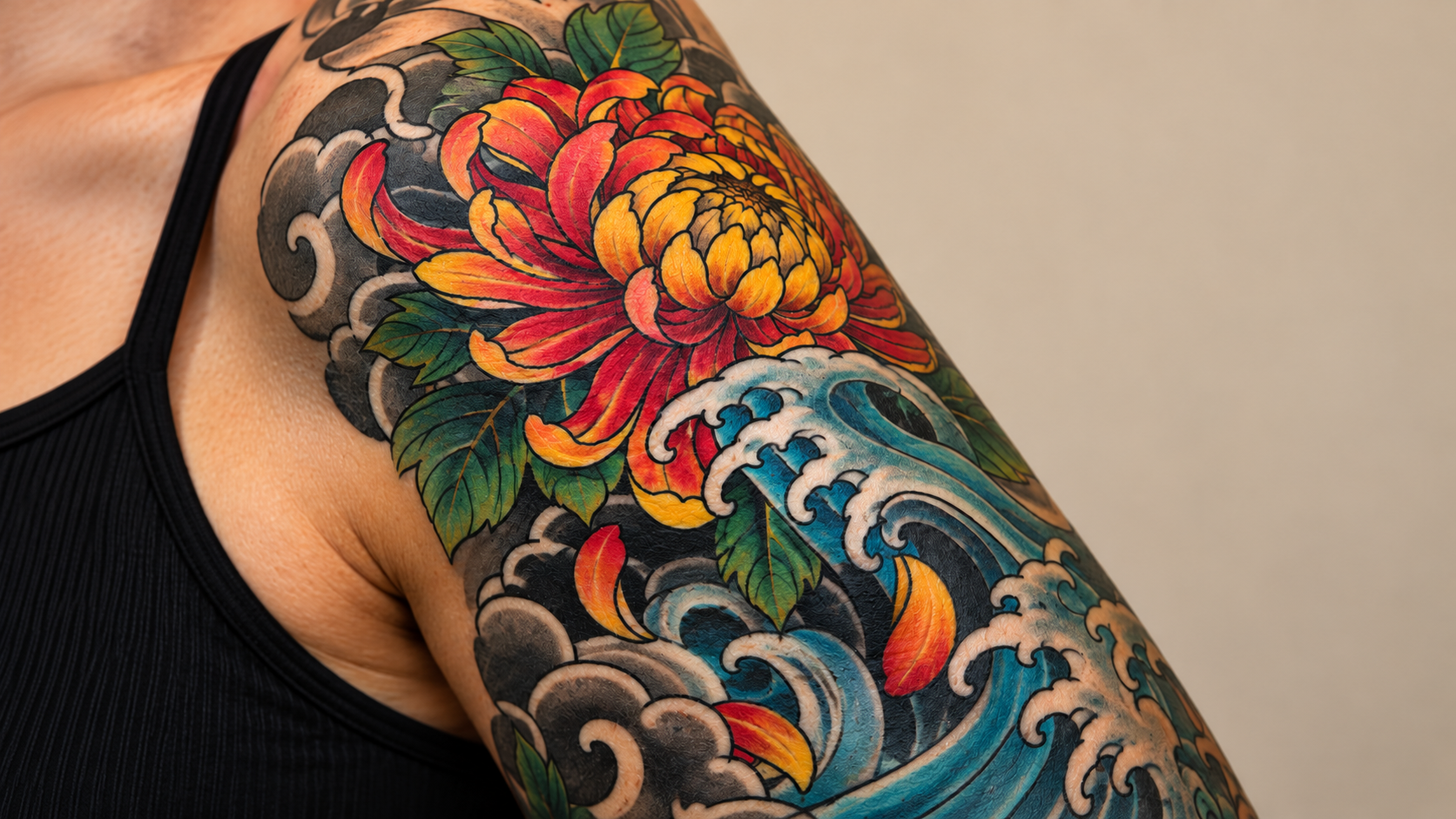
Your treatment timeline depends on tattoo age, size, ink density, color, depth, location, scar tissue, skin tone and how the tattoo responds after each session. A small, older tattoo with a single dark color may behave very differently from a large, dense, multi-colored design, even on the same patient.
Instead of promising a fixed number of visits before seeing your tattoo, LA ViE MD builds a personalized plan after assessing the tattoo in person. You will know what factors may make your tattoo easier or more challenging to fade before moving forward, and your plan can be adjusted as you see how the tattoo responds after each session.

Temporary redness, swelling, tenderness, pinpoint bleeding or blistering can occur after laser tattoo removal, and changes in skin pigment are also possible. Good aftercare supports healing between sessions. Keep the treated area clean and follow your provider’s care instructions, avoid picking, scratching or peeling healing skin, and protect the area from unnecessary sun exposure. Contact the clinic if you notice an unexpected reaction or signs of infection.
Laser tattoo removal should be performed with appropriate professional oversight. Tattoo-removal creams and DIY methods are not a substitute for medically guided laser treatment, and choosing an experienced provider helps ensure the laser settings are matched safely to your skin and tattoo.